
Constellation Cartography
Charting Change

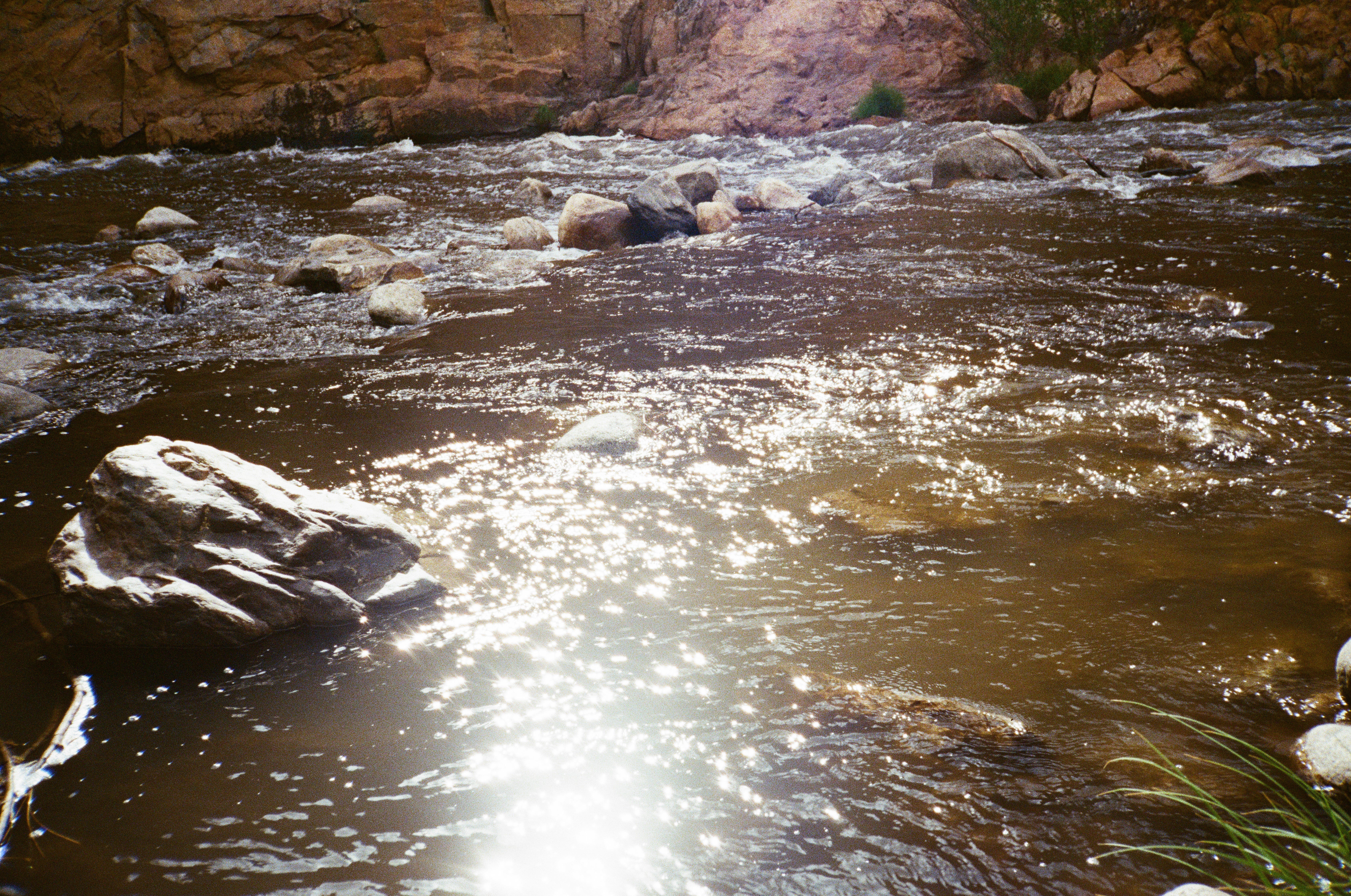
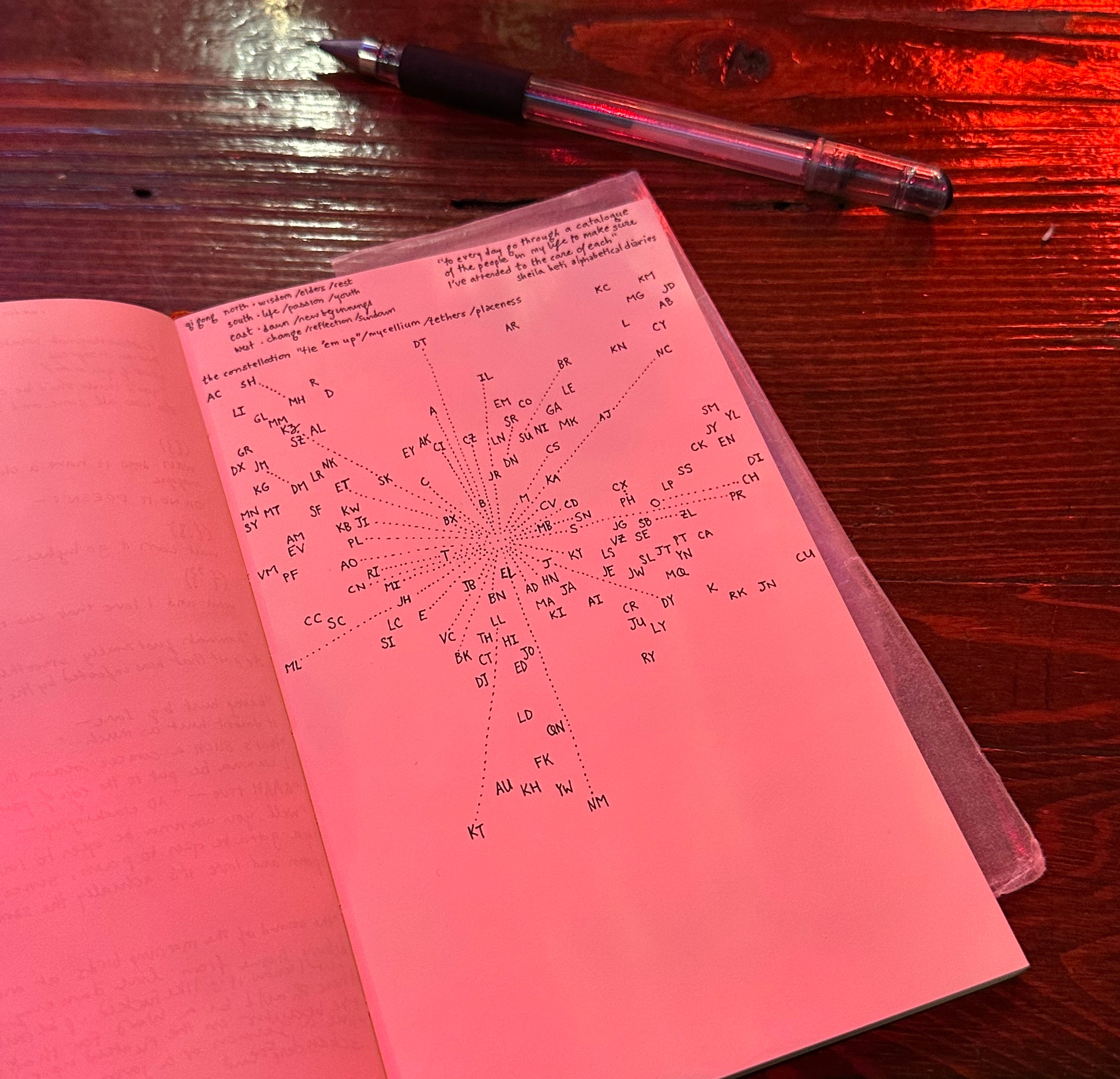
Since coming back to LA five years ago, I start to draw my relationships. I make maps to chart the closest and most intimate connections in my life; the far-flung acquaintances; comrades I interact with repeatedly but don’t know personally; comrades I build with repeatedly until we do know each other personally; friends of friends; romantic partners of the people I’m closest to; colleagues; mentors; bandmates and artistic collaborators; neighbors and local characters; people I feel obligation to; people I want to build reciprocity with; people I’m learning from; people I want to be closer to. The map charts both real and imagined, concrete and aspirational, complex and contradictory contours of relationship.
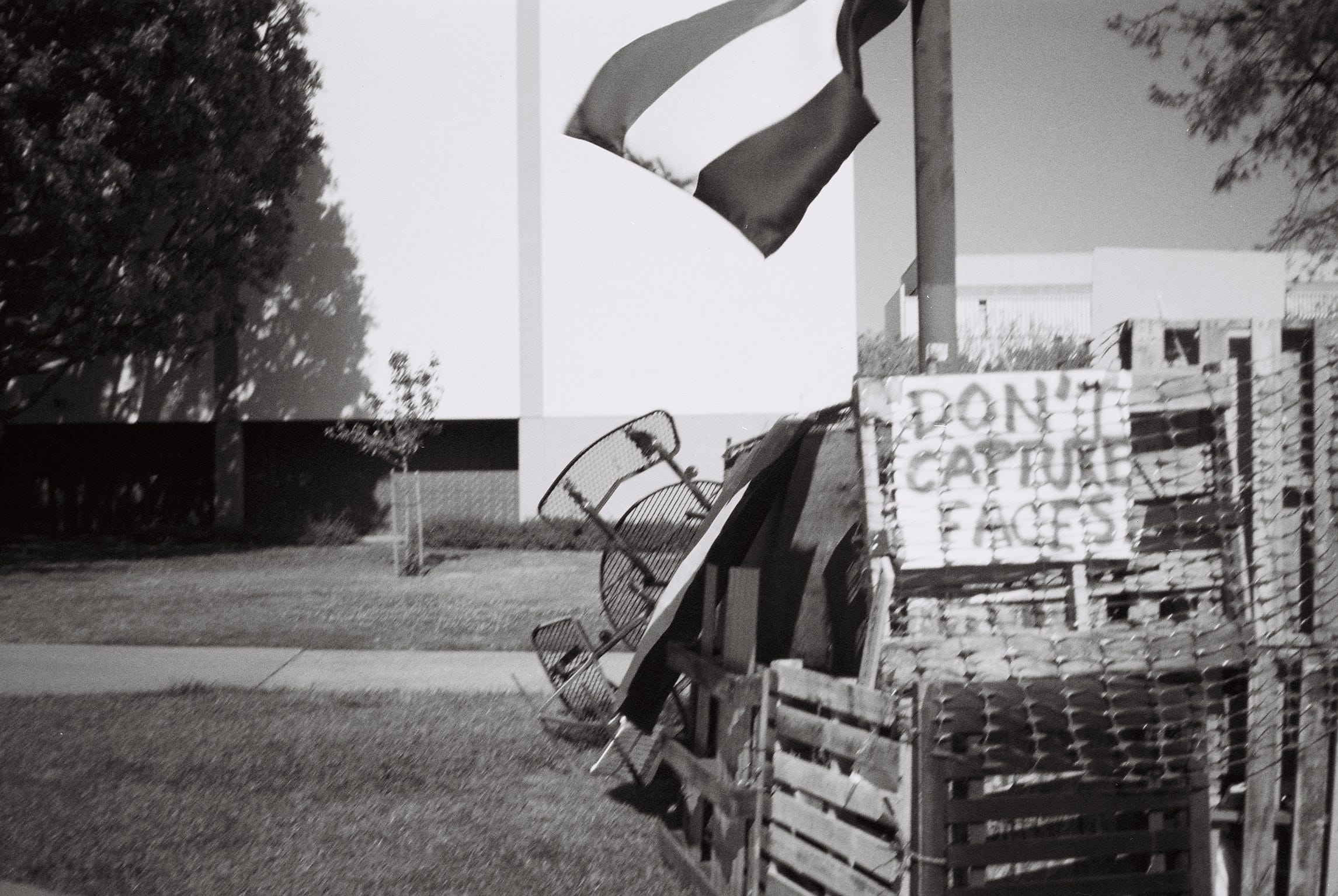
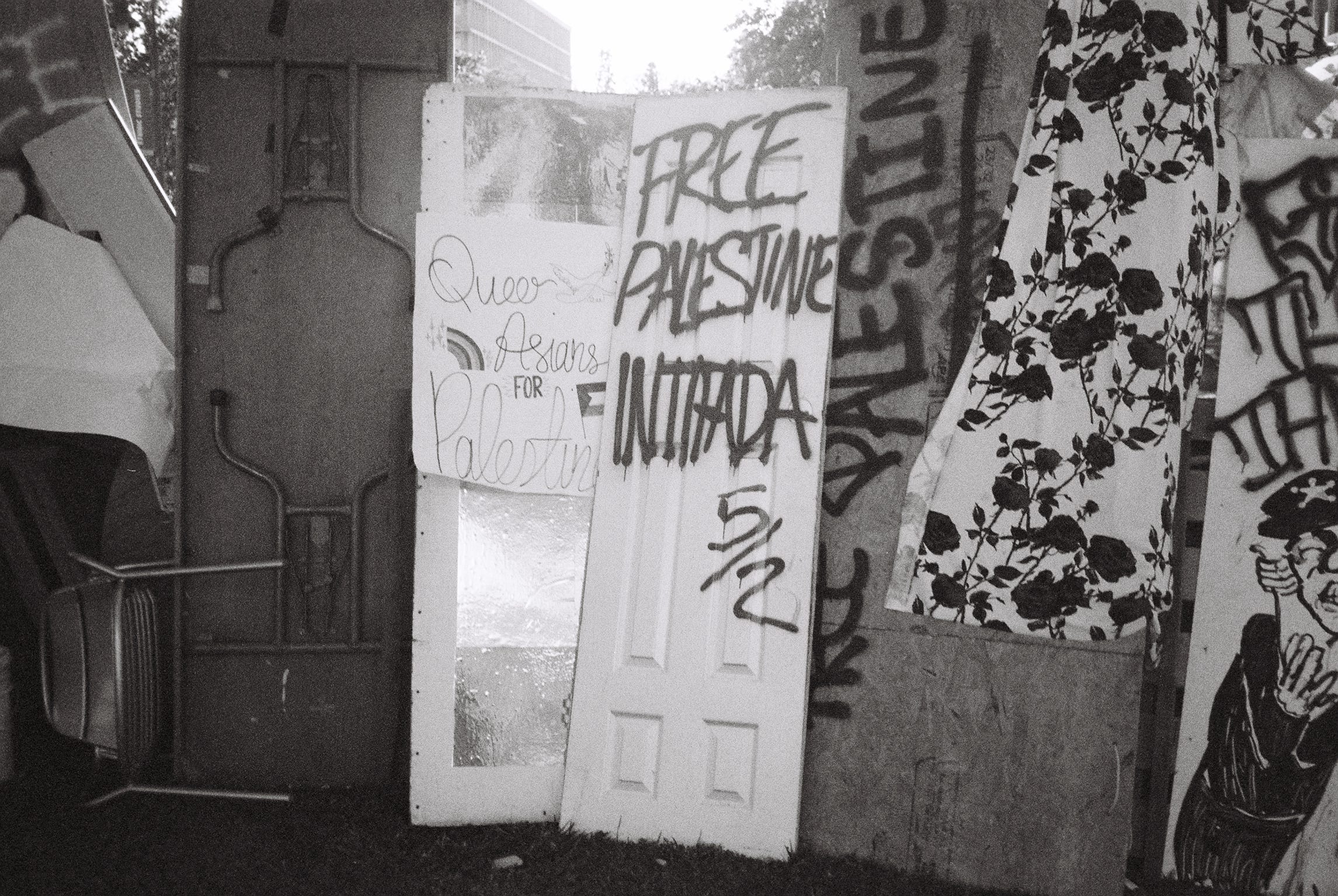
In the drawing, I am located at the center of the “web,” the “mycelial network,” the “constellation.” I stretch outward from that center toward the people who are intentionally or incidentally in my orbit. The whole purpose of the map is to situate myself without fixity. First of all, I redraw it regularly to chart change, and second, there are so many ways to read a single line. A short line might mean this person holds a safe space for my disgust and wretched feelings; this is a person who I call in an emergency; this is a person I drop everything for in an emergency; this person and I share a uniquely unhinged sense of humor and they immediately felt like home to me; this person keeps my memories and I keep their memories over the past decade; this is someone I trust to move through unprecedented situations side by side—biking through storm drains under the city, organizing at the encampments, navigating conflict within collaborative spaces, hiking off trail through the backcountry, collaborating on a project or presenting art in a public-facing way for the first time. A long line might mean this is somebody I don’t see often but when I do it’s like the years haven’t passed; this is someone I’d like to know better; this is someone who is important to me because they are important to someone important to me; this is someone I was once close with who changed me but who I don’t know anymore.
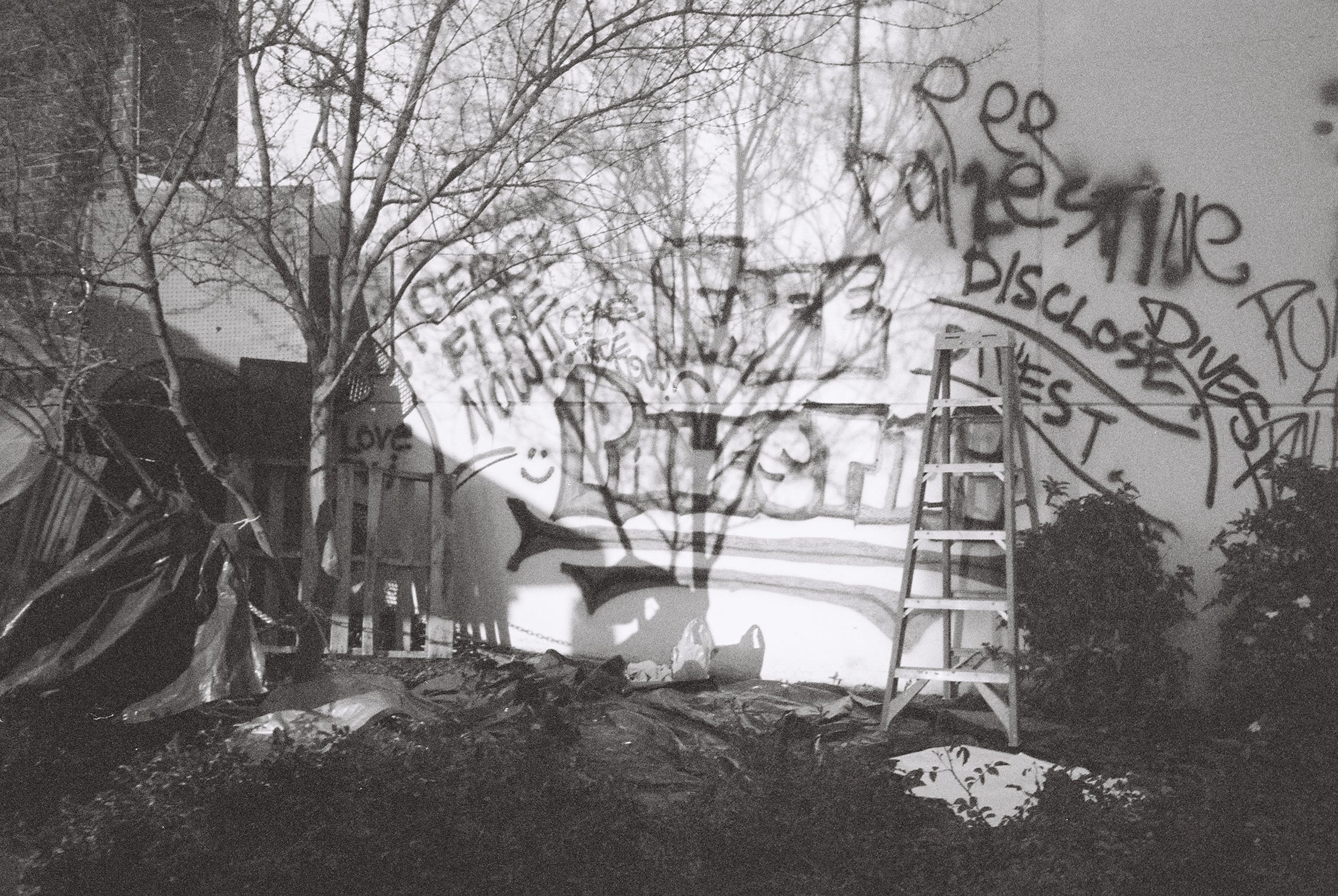
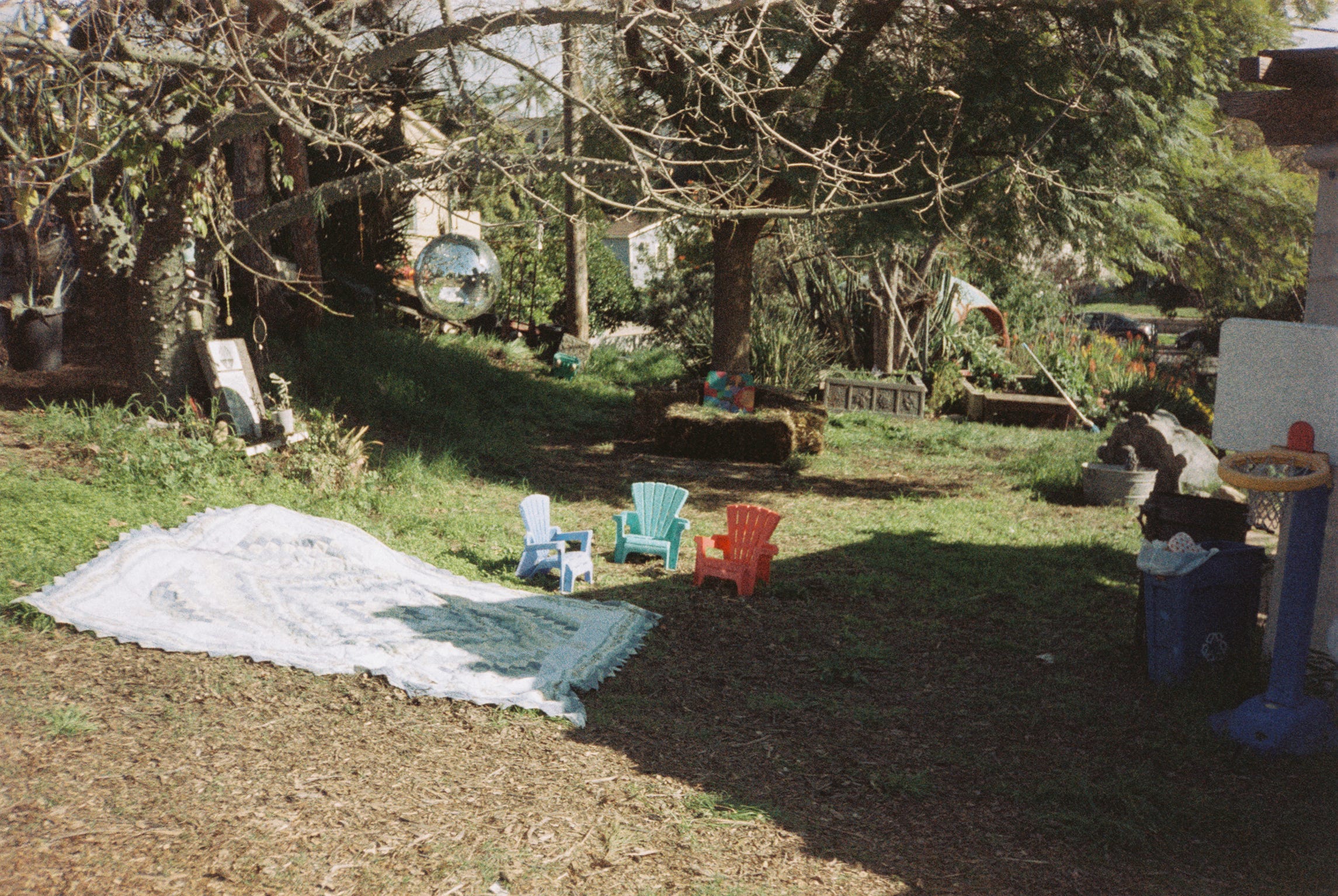
LS hits me with an idea wednesday morning while I’m at the community garden, scanning license plates for suspicious vehicles and greeting elders who live in the neighborhood. “Omg I was just thinking about this on my drive into work—it would be great to make a zine about this. Guide people on how to do it, how it can strengthen relationships etc.” I sit down on the garden wall and hastily write out most of this essay while watching native bees pollinate the sunflowers growing tall next to the fire hydrant and making very brief conversation with my very few spanish phrases “bien, y tú?” “gracias por venir!” “que tenga un buen día!”
I shared the map with someone for the first time last summer—BX in her garden one evening, EL over text message, and M at her house one afternoon. I explain that although the lines do suggest my relative closeness with a person, they don’t designate any clear hierarchy. There is a multi directional push pull to any of these lines; I don’t presume that my perceived closeness matches up with the other person’s perception, and things are always changing. It’s a way of roughly locating myself psychologically and emotionally so that I can adjust my behaviors and priorities accordingly. I encourage them to draw their own.
When EL sends me their map initially, it irrationally irritates me. They’ve organized the drawing by both geography and intimacy, blurring the lines between physical proximity and distance, and psychological proximity and distance. I guess I can rationalize my irritation in retrospect; I’m frustrated that I can’t read it. What lines are drawn according to physical distance, and which are drawn according to emotional distance? I reply dismissively over text “oh interesting—I would never think to do it that way.” One year later, EL and I are biking around hollywood when I admit to them sheepishly, “okay so I found the earliest version of the constellation cartography and guess what? It was all completely based on physical proximity, on geography. I was drawing B, T, SZ, MG, BX, and KM as constellation nodes within our neighborhood since we all lived so near to each other.” As it turns out, I would never think to do it that way was a bold-faced lie that EL and I still laugh about.
Sunday night standing around on the sidewalk after the show at a local secondhand bookstore, PH tells me she’s got a friend who would make maps that were aesthetically similar to this, using initials, “but based on that app, “find my friends”—like, using geolocation.” Today at the community garden, RS makes me laugh aloud when he says “it’s like…your own L word chart.” This is not the first time I’ve gotten that comparison. “It’s a mature and considerate version of the L word chart,” RS rejoins, when I explain that it’s about trying to understand my tethers and obligations moreso than chart gossip or community news, although of course, it’s got that too.
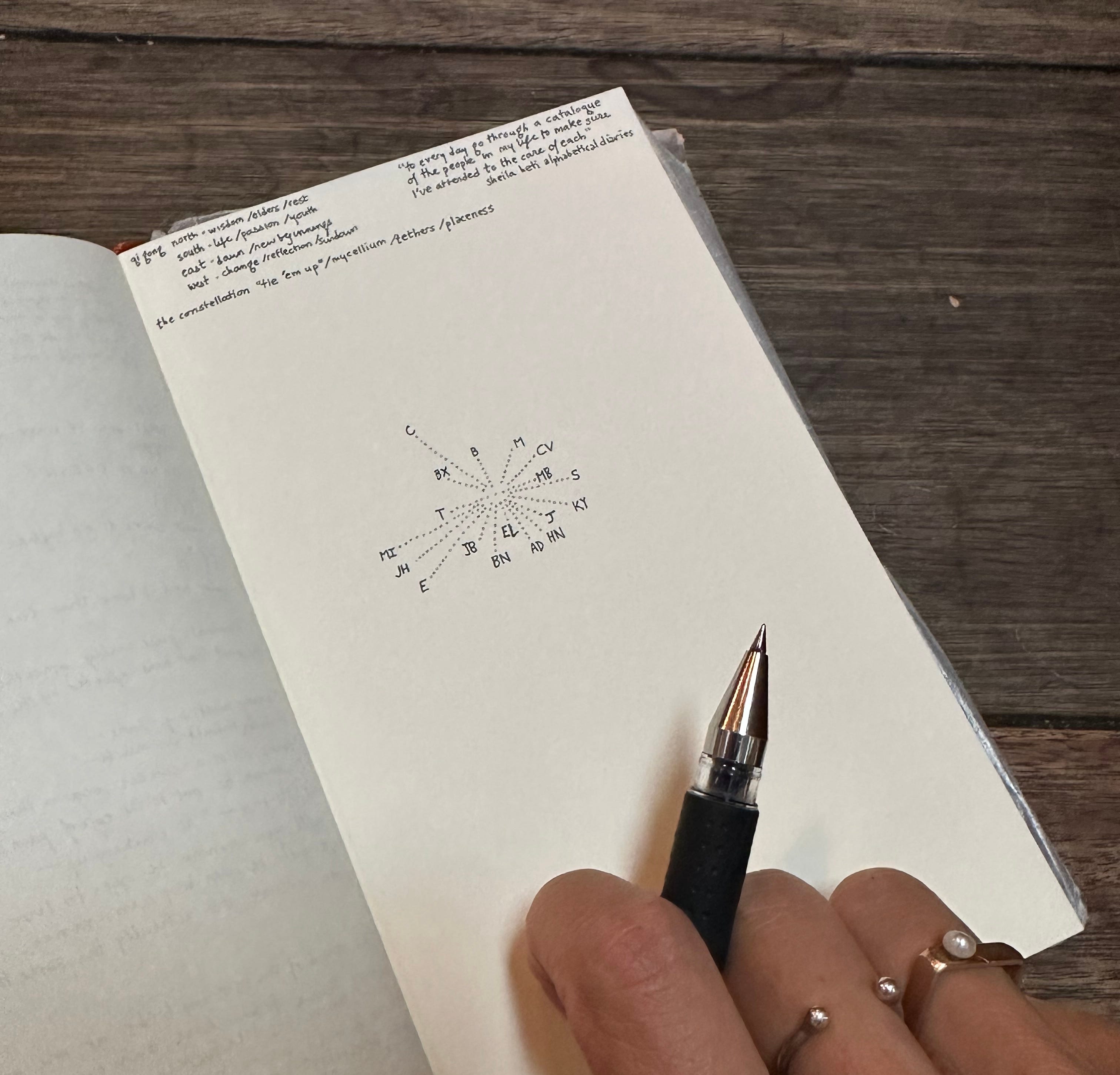
I start the drawing with the people I call in an emergency; the people who tell me how I am in a way that challenges me to change; the people whose integrity reminds me how to act when I forget; the people who’ve helped me out of nasty situations; the people I’ve extended my time and energy toward in hard times; the people who most inspire me to refocus my presence, attention, and intention. From there, I draw tethers outward to the people they’ve introduced me to, or the people I’ve introduced them to, creating pockets and pods. In my case, these reflect a local diy music scene; a gay line dancing cult; comrades who have also defected from architecture as a discipline but still use architectural tools in their art practice to unbuild and rebuild; longtime friends; biological family; bikers from the local co-op or insurgent nighttime group rides; tenant organizers; my buddhist temple in berkeley; pandemic lockdown book clubs in west philly and mike davis book clubs in los angeles.
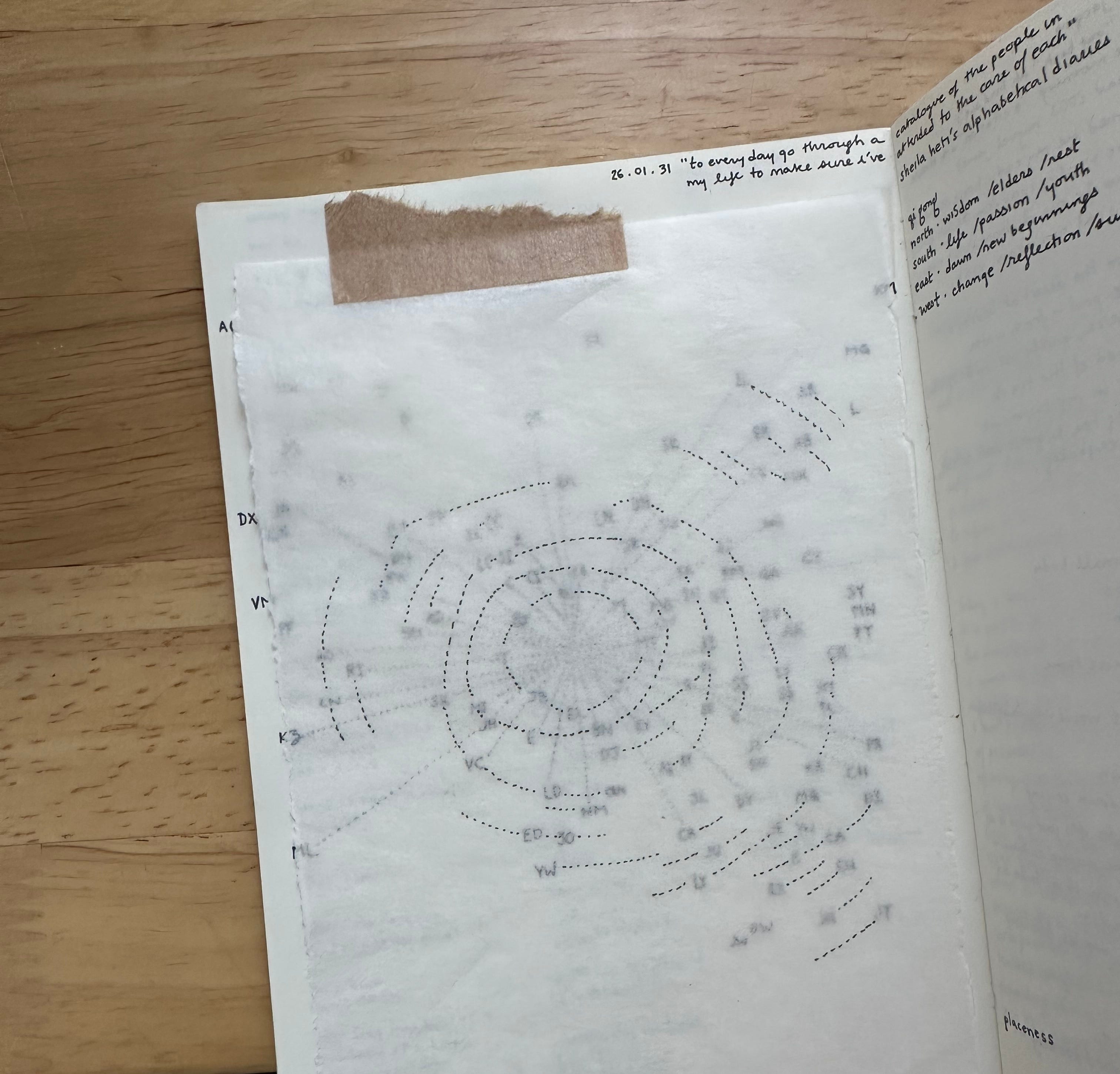
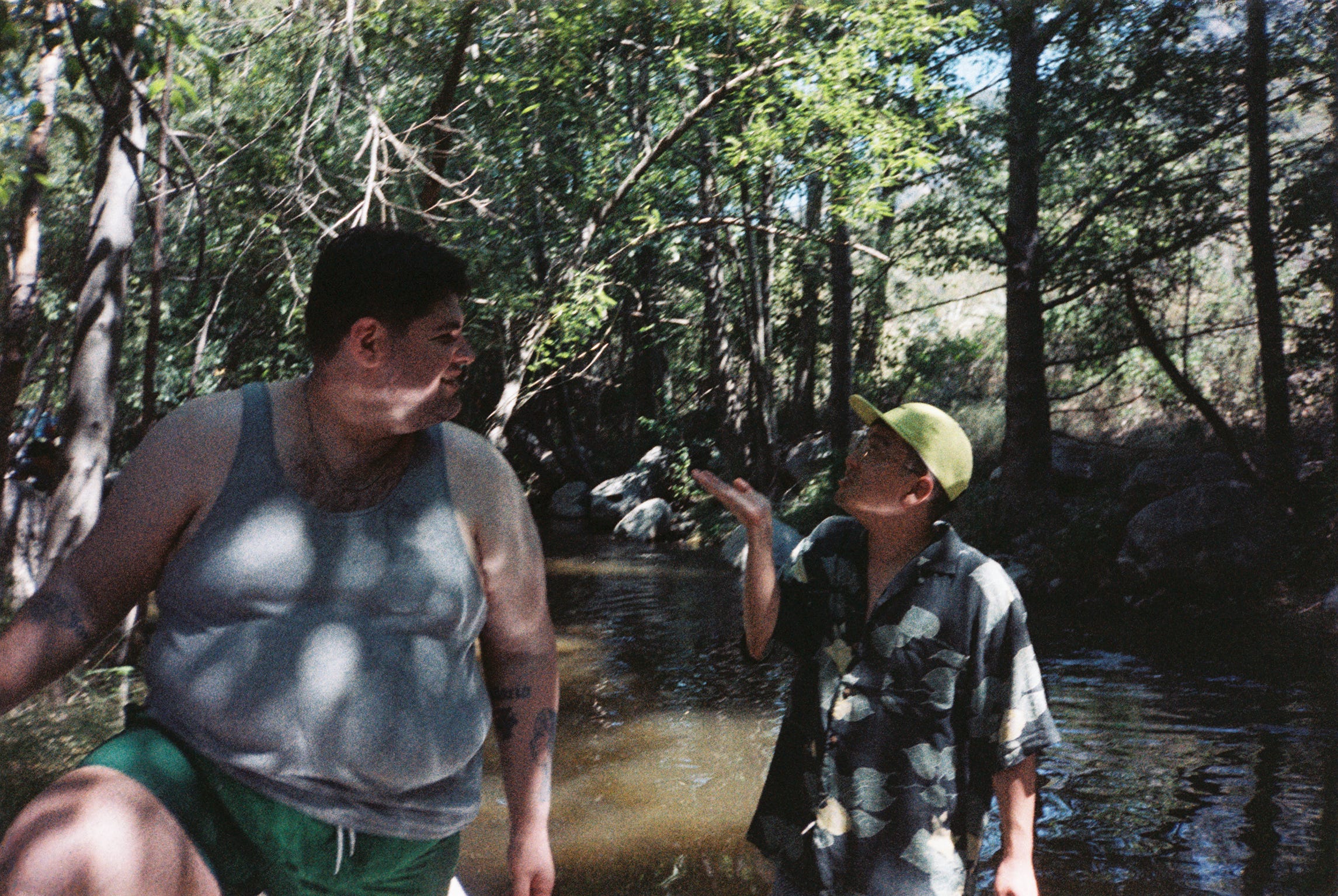
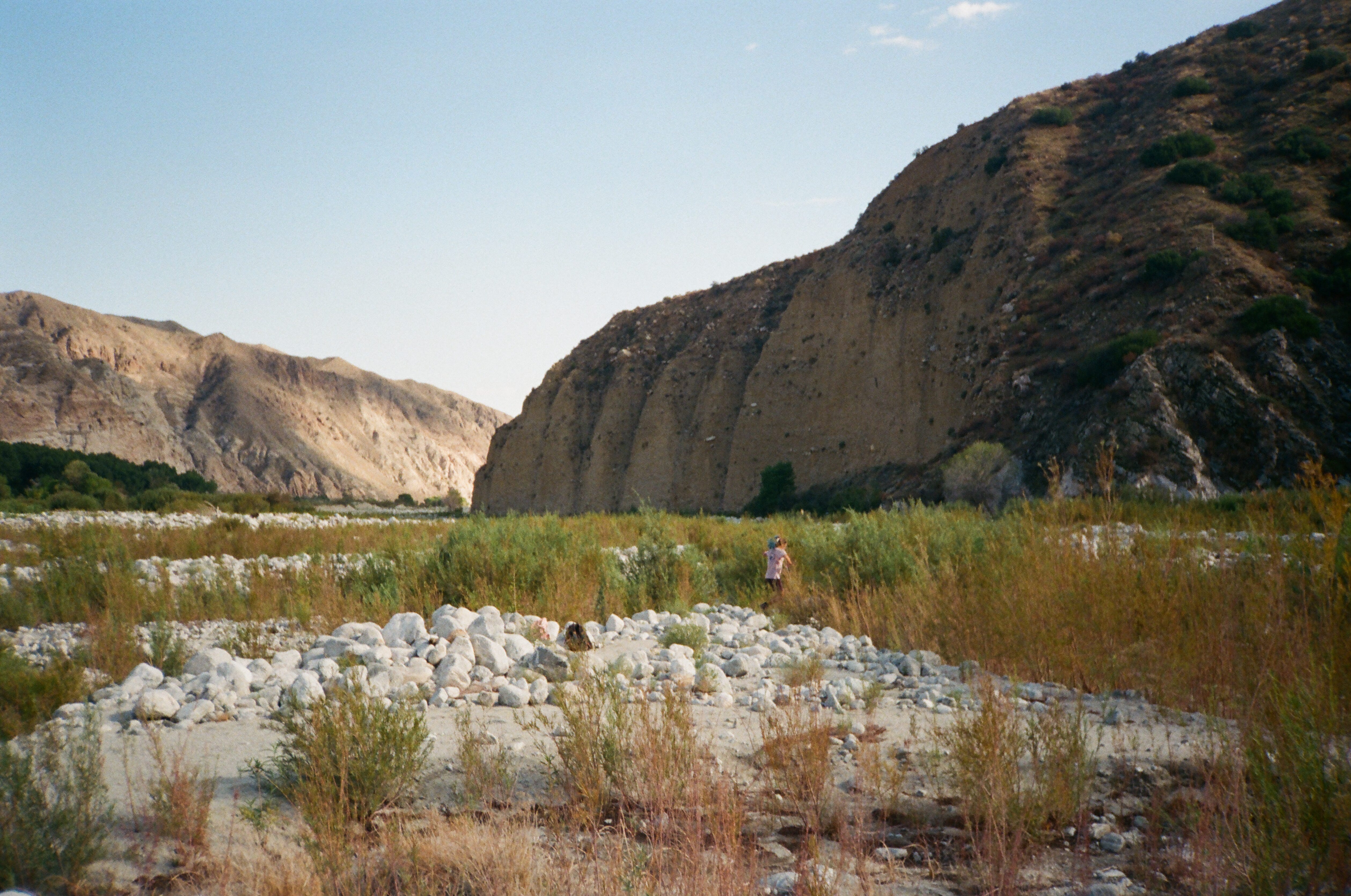
Of course, these arbitrary delineations intersect and overlap. In a former iteration of the constellation cartography, I overlay trace paper to draw semicircular connections as ripples, as waves or undulations between individuals, creating concentric axes in the drawing. I draw this overlay in january after EL, BN, and I backpack through sespe wilderness to the hot springs in los padres. EL and I have a late night conversation in the dark, soaking in the hot water after a sixteen mile day, nobody but the bighorn sheep for miles, looking up at the stars, talking about how we relate to so many of the people in our lives, how we want to show up for those people as the years pass, what that could look like, how to connect and bridge across the tethers within our respective constellations—“tie ’em up” I say, of facilitating these connections.
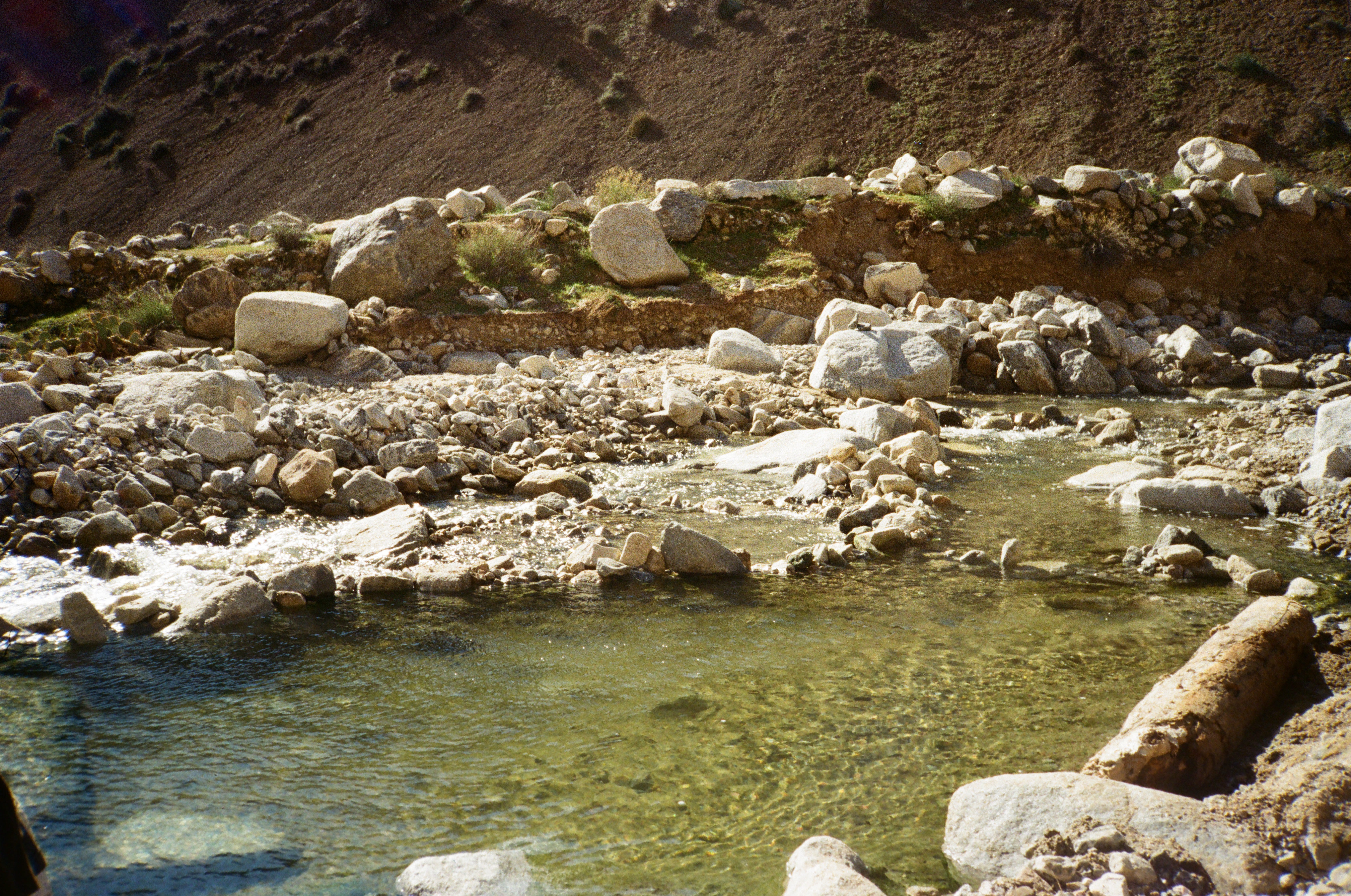
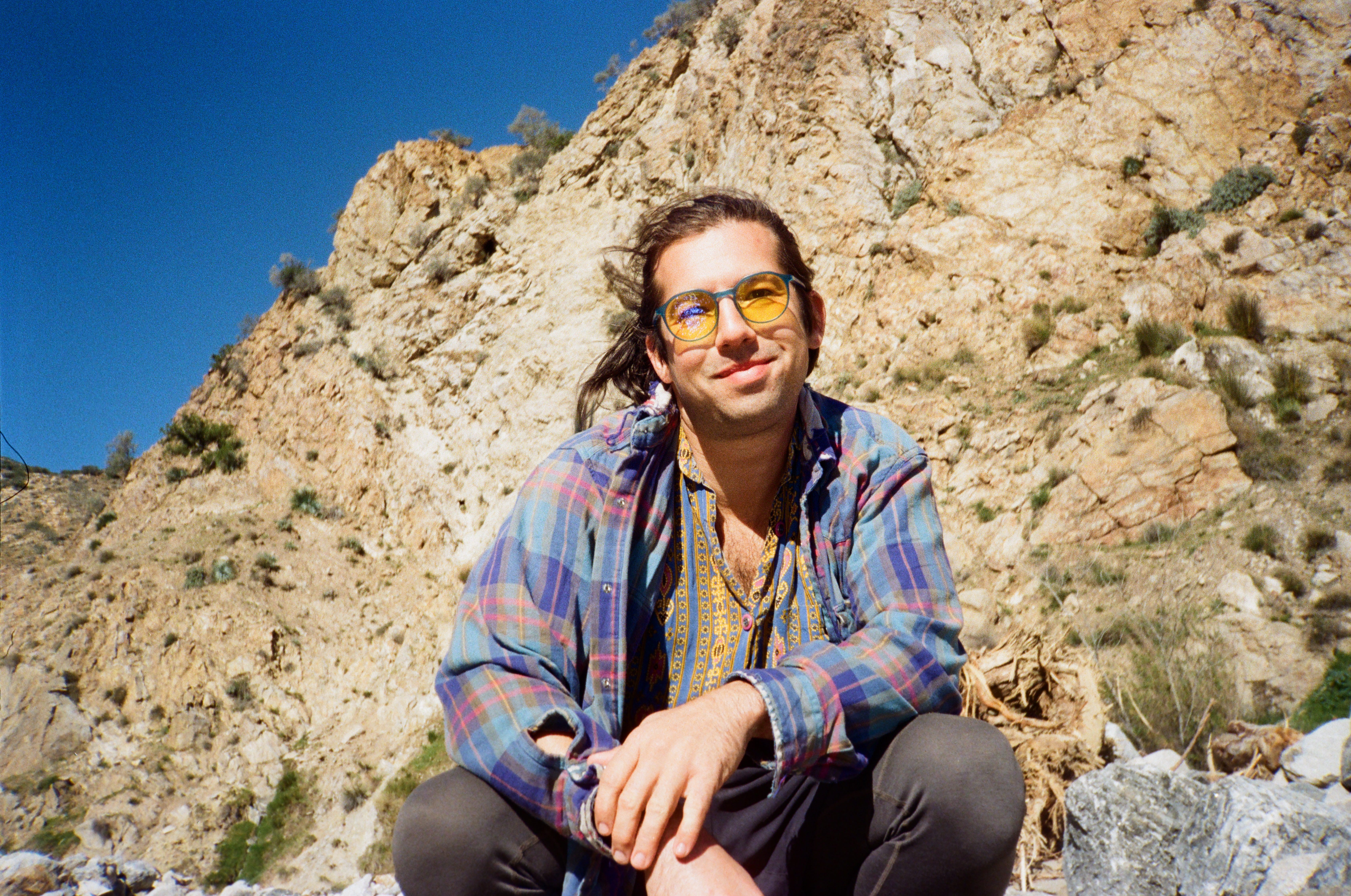
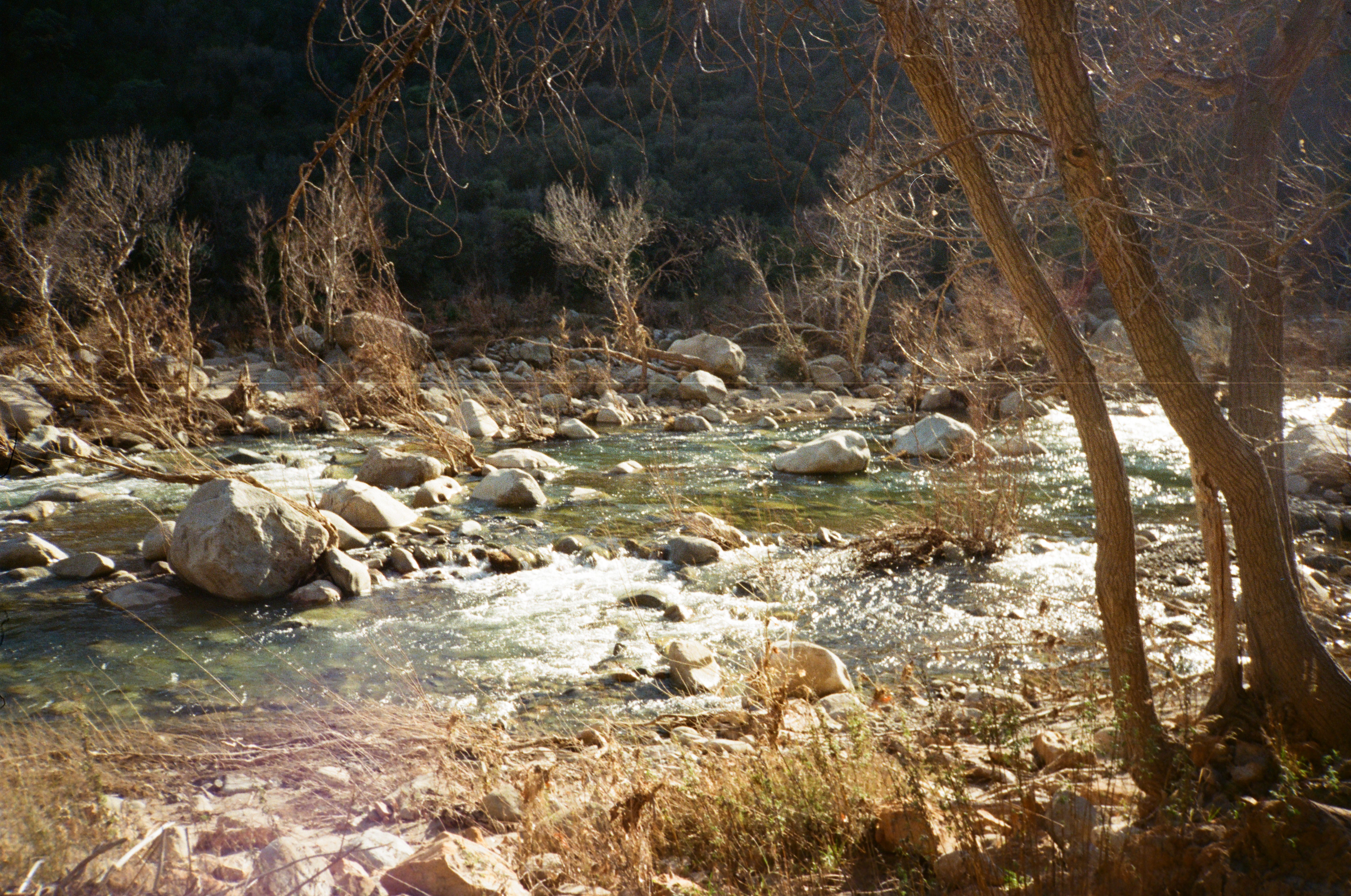
After band practice on sunday, AD and I hook up five hundred linear feet of garden hose to the side of her house, wind down the hillside toward the native planting effort she’s been organizing at the local park in our neighborhood, and water the plants in the rain, an uncharacteristic humidity hanging heavy in the air, more like new jersey or philadelphia than los angeles today. “I love your maps because they always remind me that maps are so subjective. We’re taught to see maps as objective, right? But the way that you make maps, you have to know that it’s all so subjective.” To describe relationship by drawing a map is inherently somewhat absurd; interdependence and reciprocity, trust and reliance, humor and connection, these are largely inexplicable and ineffable, psychological and emotional phenomena.
I want to see the unexpected inventions that can arise from people practicing this map drawing idea, representing the idiosyncrasies and particularities of relationship, conflating the psychological and the geographic, the emotional and the physical, producing uniquely illegible and highly subjective maps. One aspect that would hold true, though, is this recurring conversation DY and I have been having for four years now: “I don’t think it’s a ‘community’ unless you owe each other something—isn’t autonomy and independence at the far opposite end of the spectrum, opposing reliance and interdependence? That’s community. The more you’re free to make your own decisions without needing to account for others or make considerations, the farther you are from being in community.”
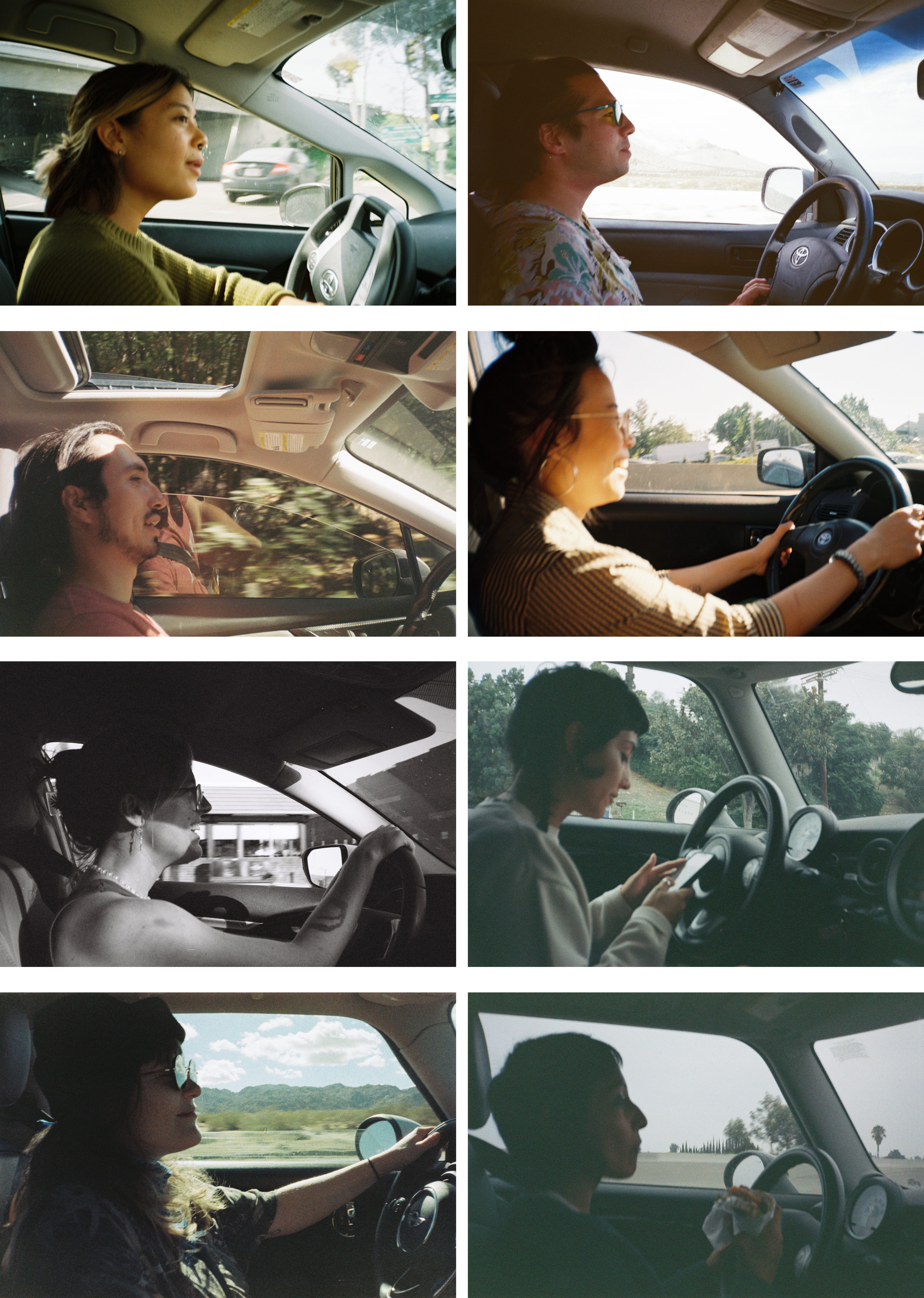
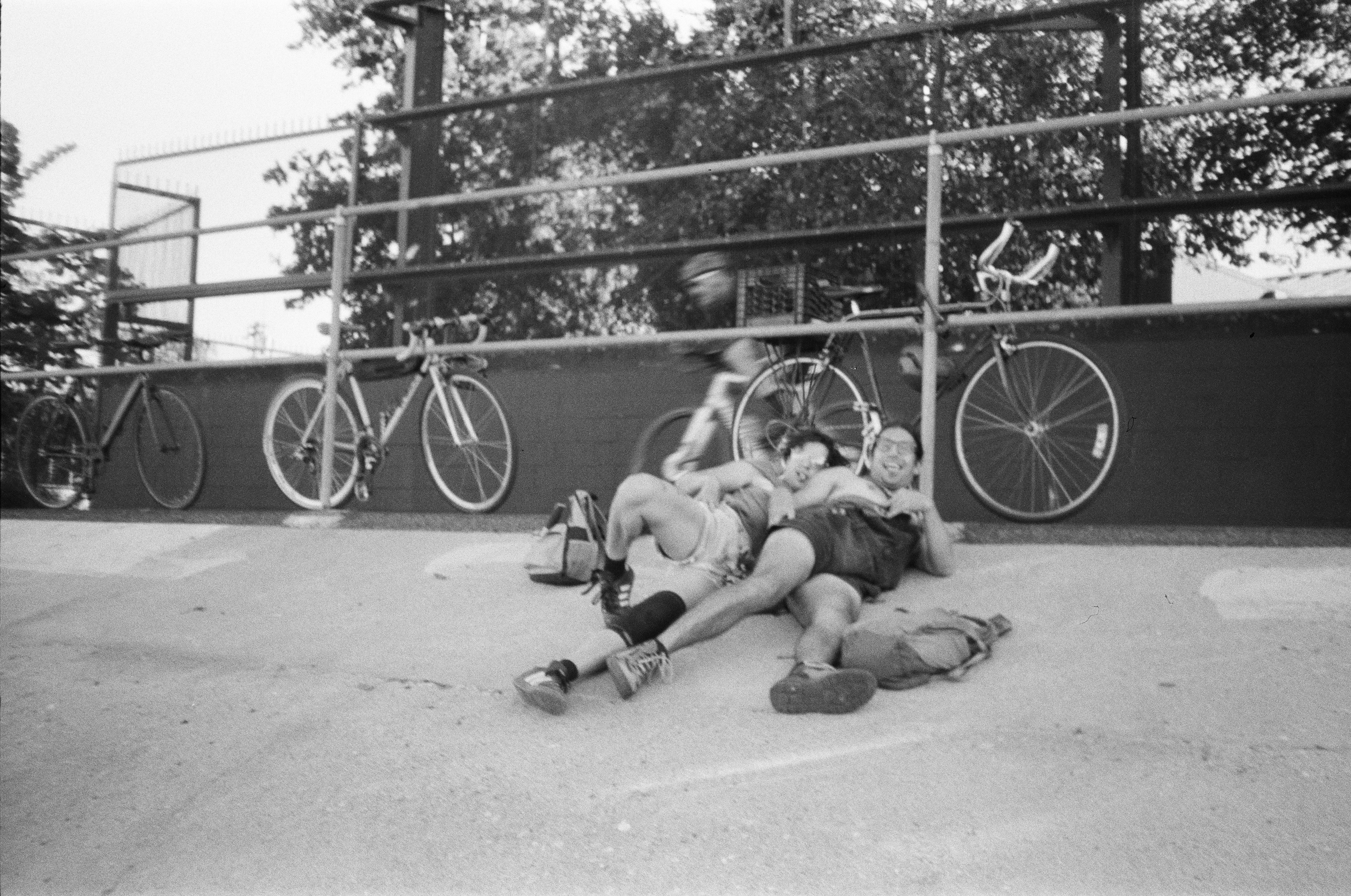
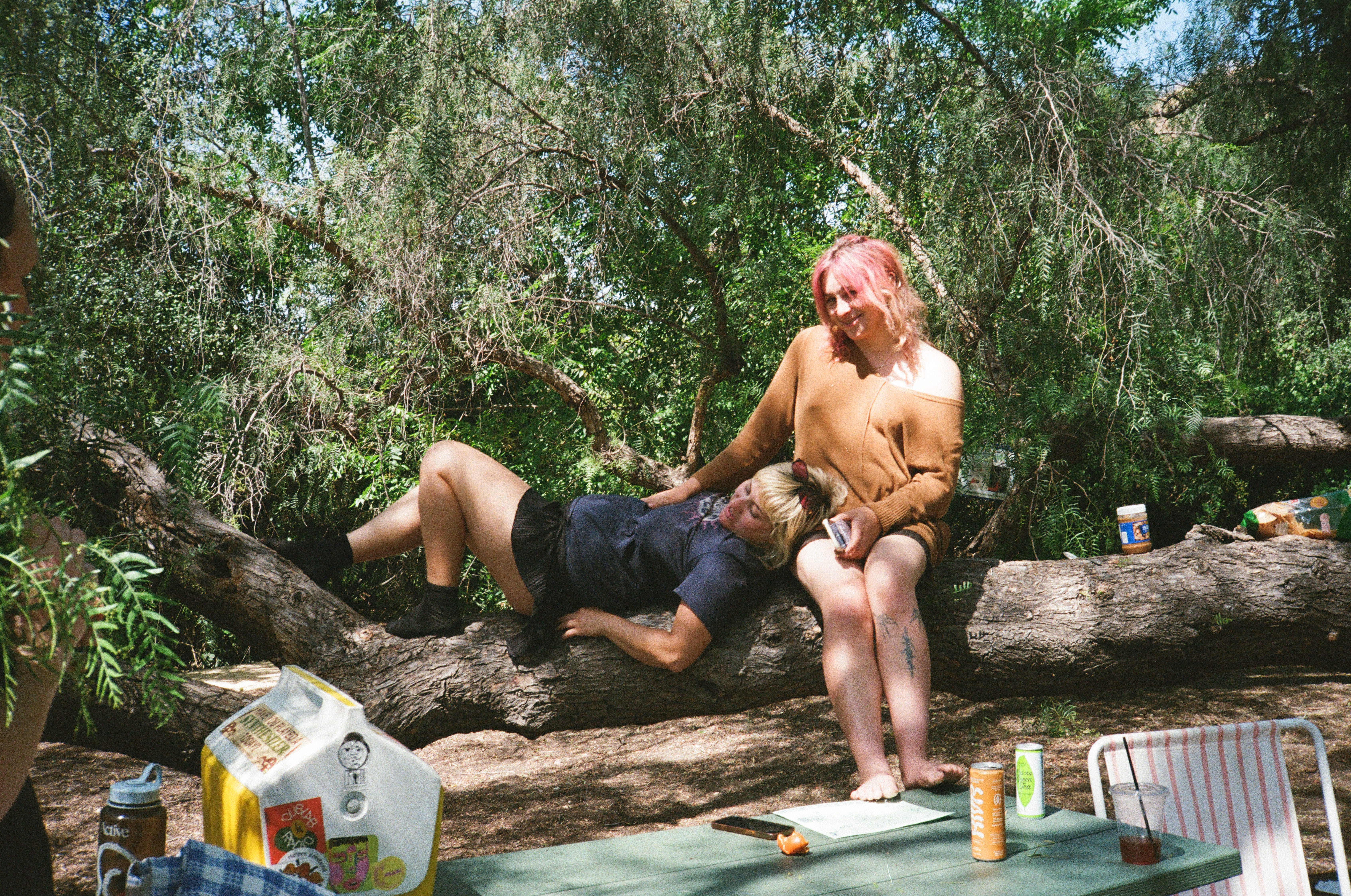
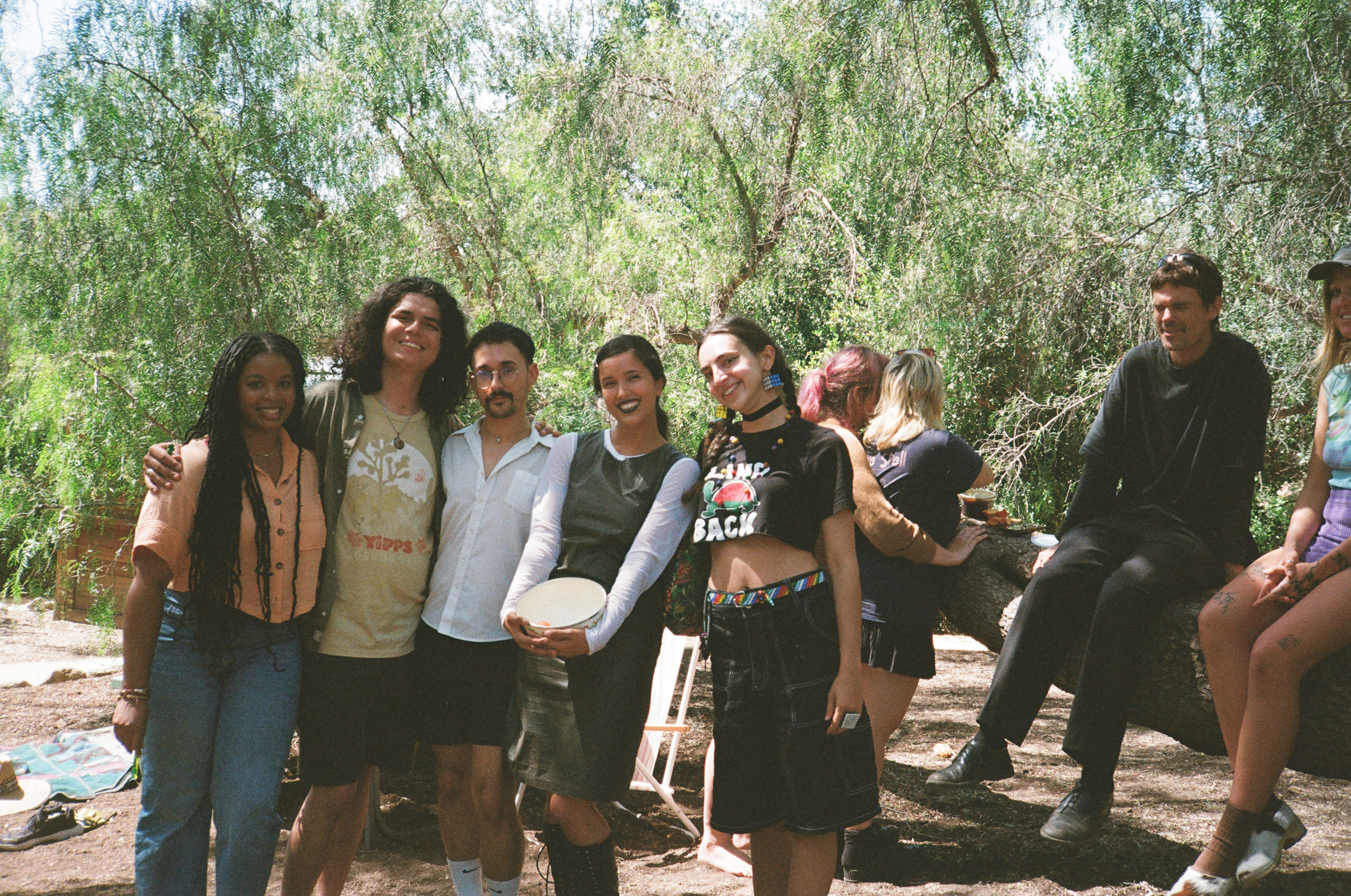
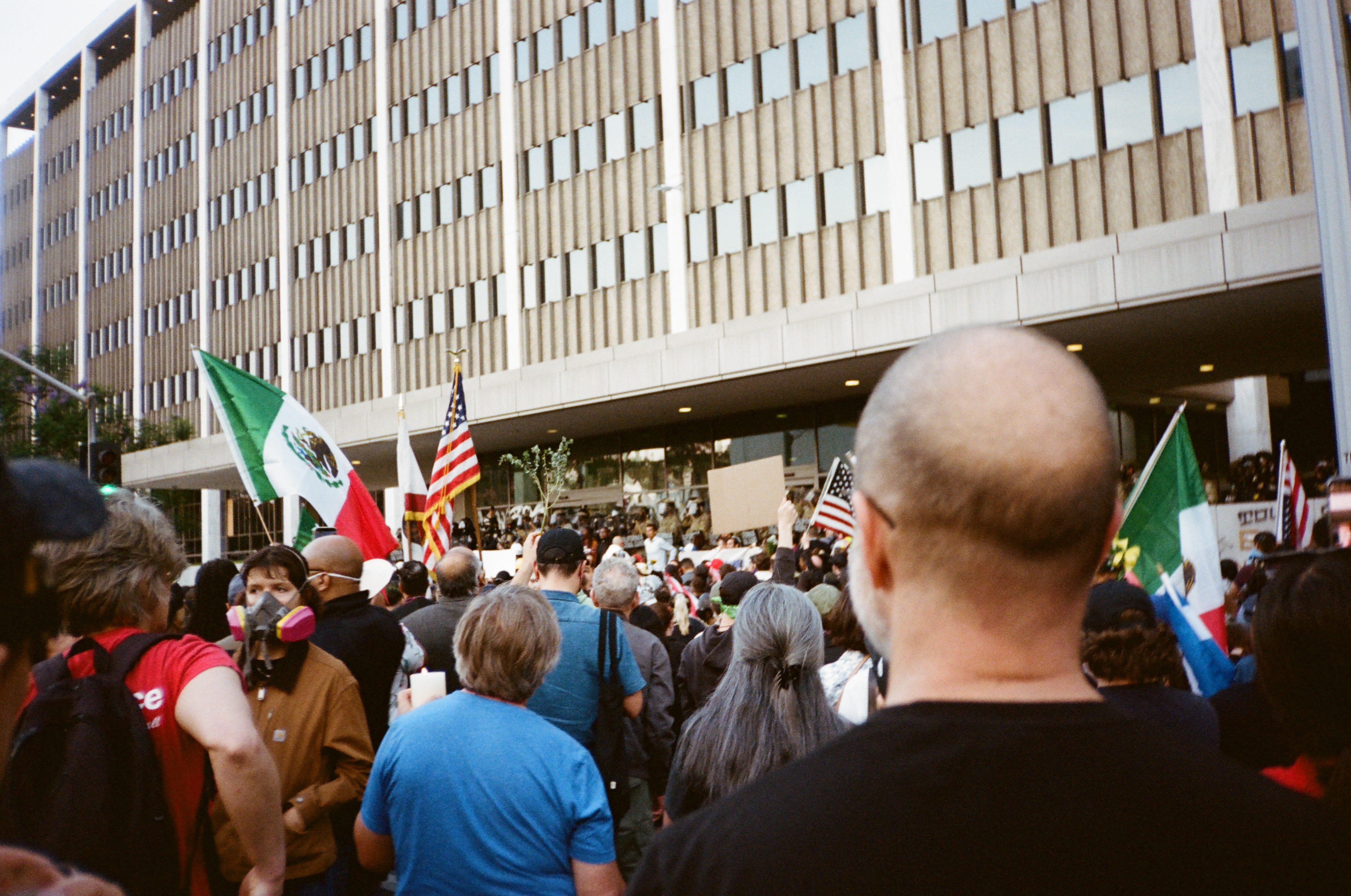
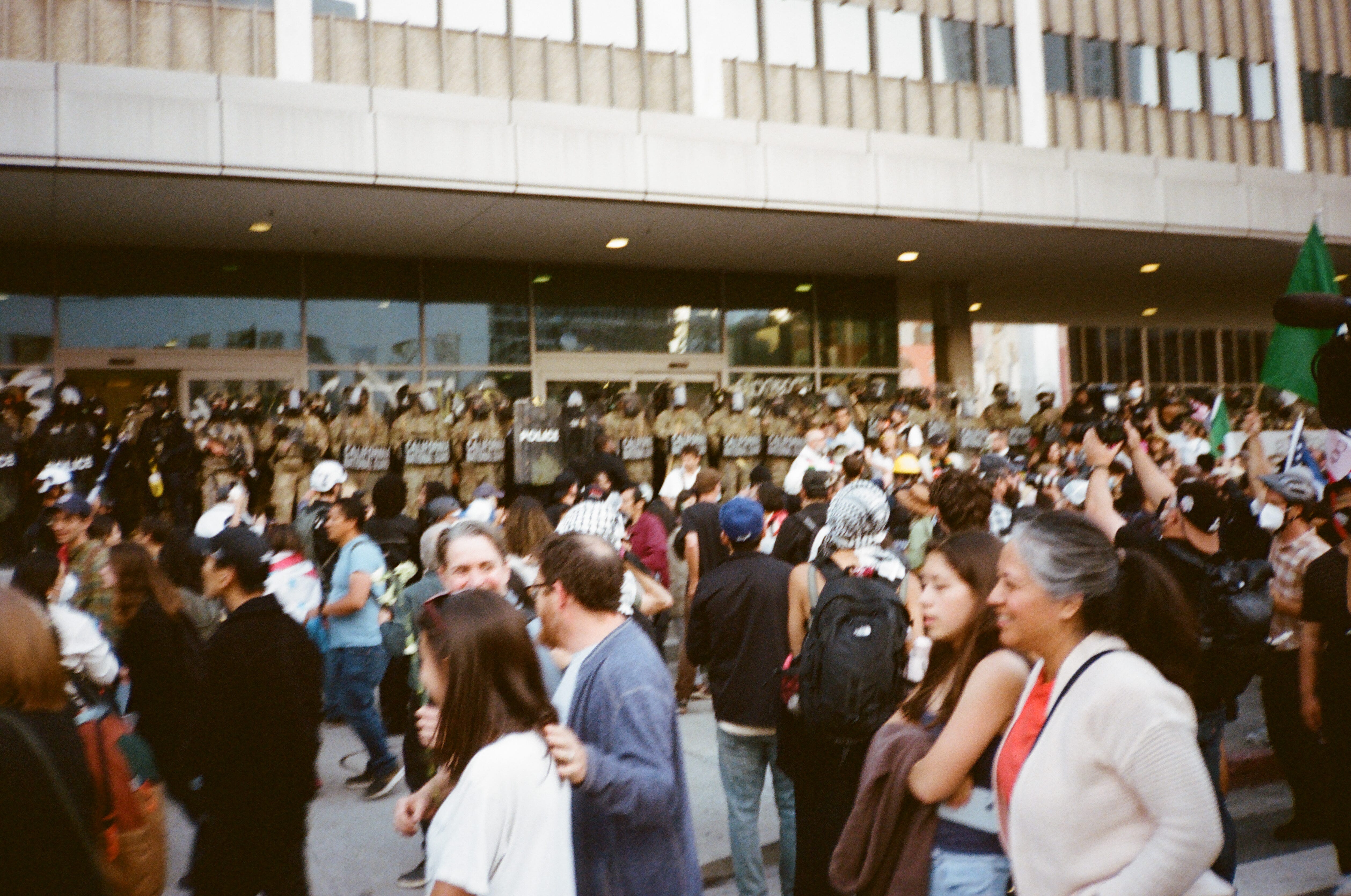
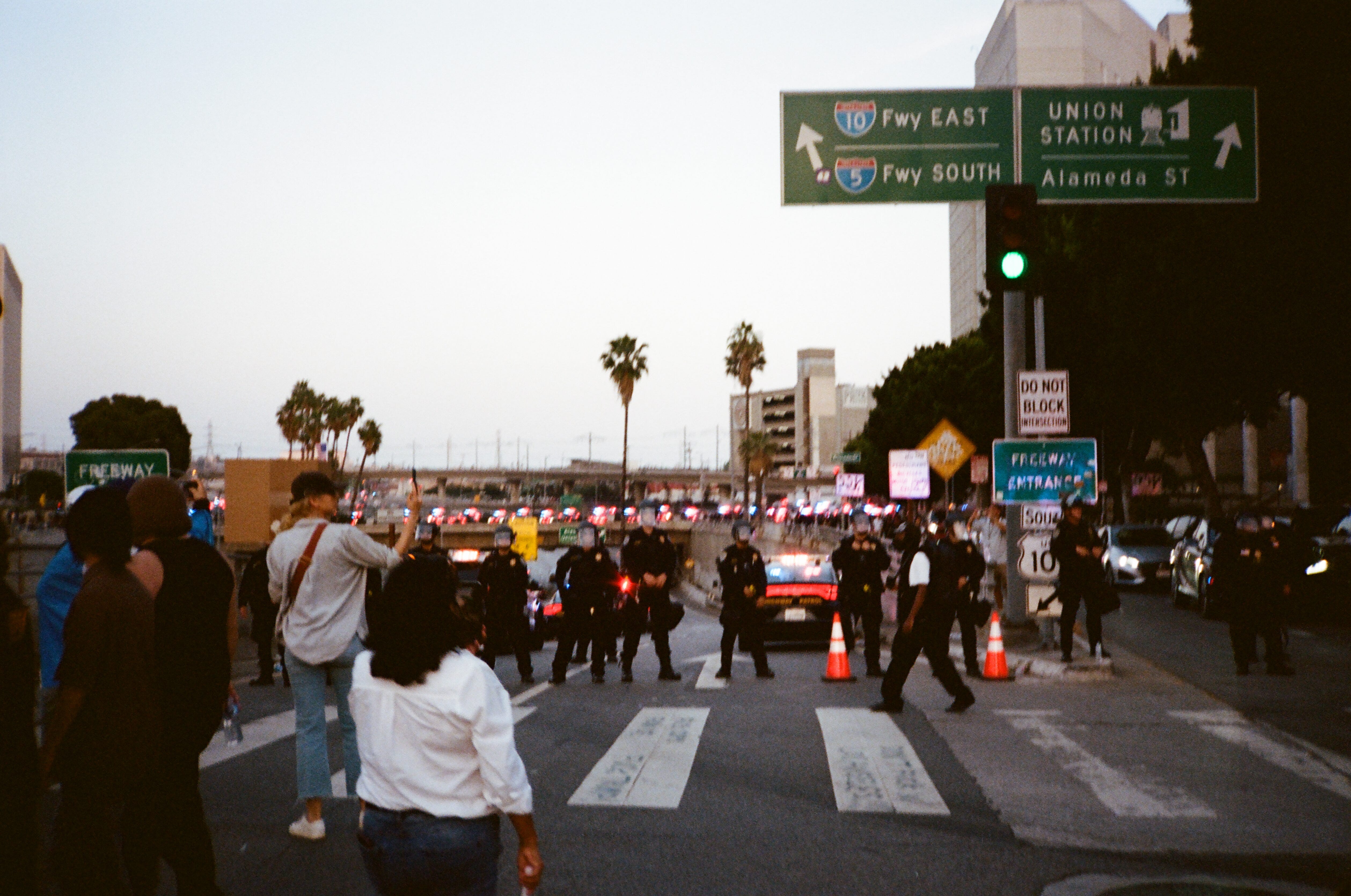
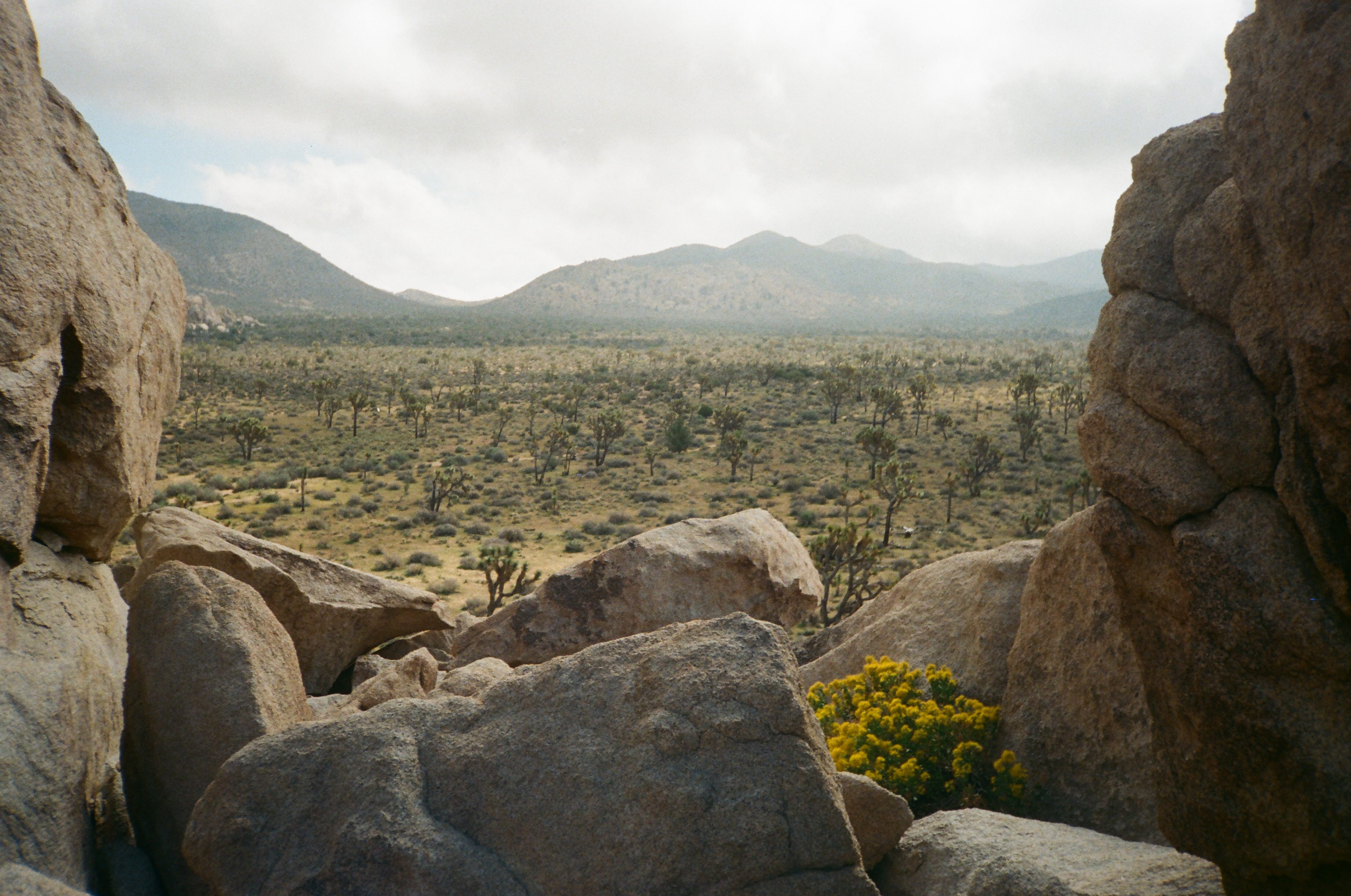
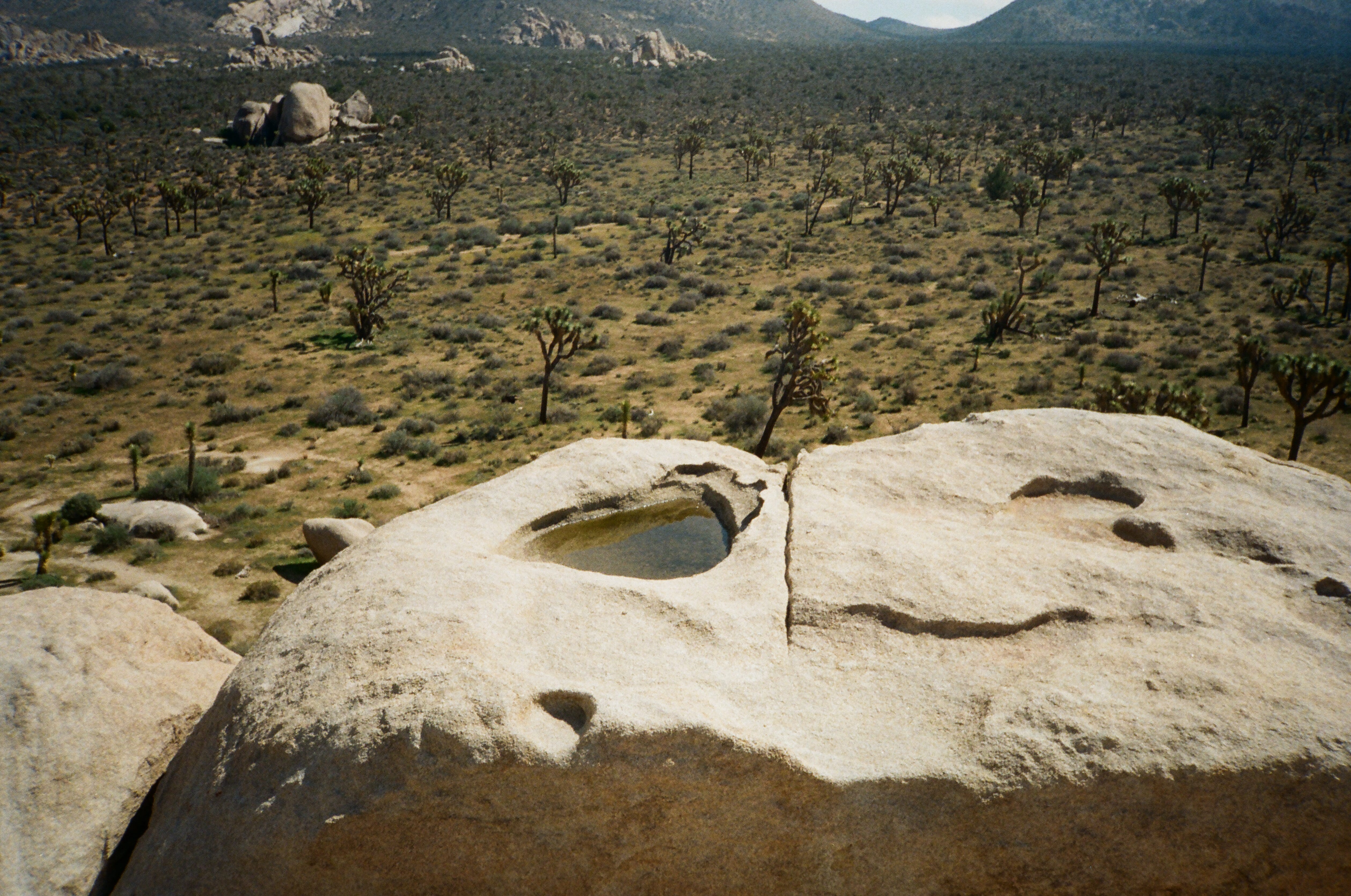
The map is also a practice of embracing the inevitable difference and discrepancy within relationship. Everyone experiences each other uniquely; closeness doesn’t map symmetrically from one person to another. We might see things differently and still we can build together; there are so many ways to collaborate and communicate. Some of the close relationships I’ve charted are more like pools of water in the desert, temporary containers that don’t last, but are generative only for as long as they hold water. More often though, I’m charting the relationships durable enough to bend and contort with change, pliable to shifts in physical or geographic proximity, flexible to changes in emotional or psychological proximity.
There’s an aphorism I first wrote out in my early twenties, “build intimacy without an agenda,” that arose initially from the first two times I fell in love—first with a close friend of nine years, then with a best friend of one year. It also describes a type of ease in spontaneously developing crushes on close friends, watching those periods pass, deepening those friendships over time, watching desire fade out. “Build intimacy without an agenda” also refers to the intensity and propulsion of first falling into deep friendship with someone over shared sensibilities, attitude toward the world, sense of humor—that immediate kinship in feeling known and found in another person. It also refers to the cadence of losing touch or falling out of contact and then reconnecting, trusting a connection to bend without breaking over time. I like to imagine that I can build with this durability, as the texture of all relationships inevitably changes. Easy to describe, difficult to embody, always worth the effort, in my experience.
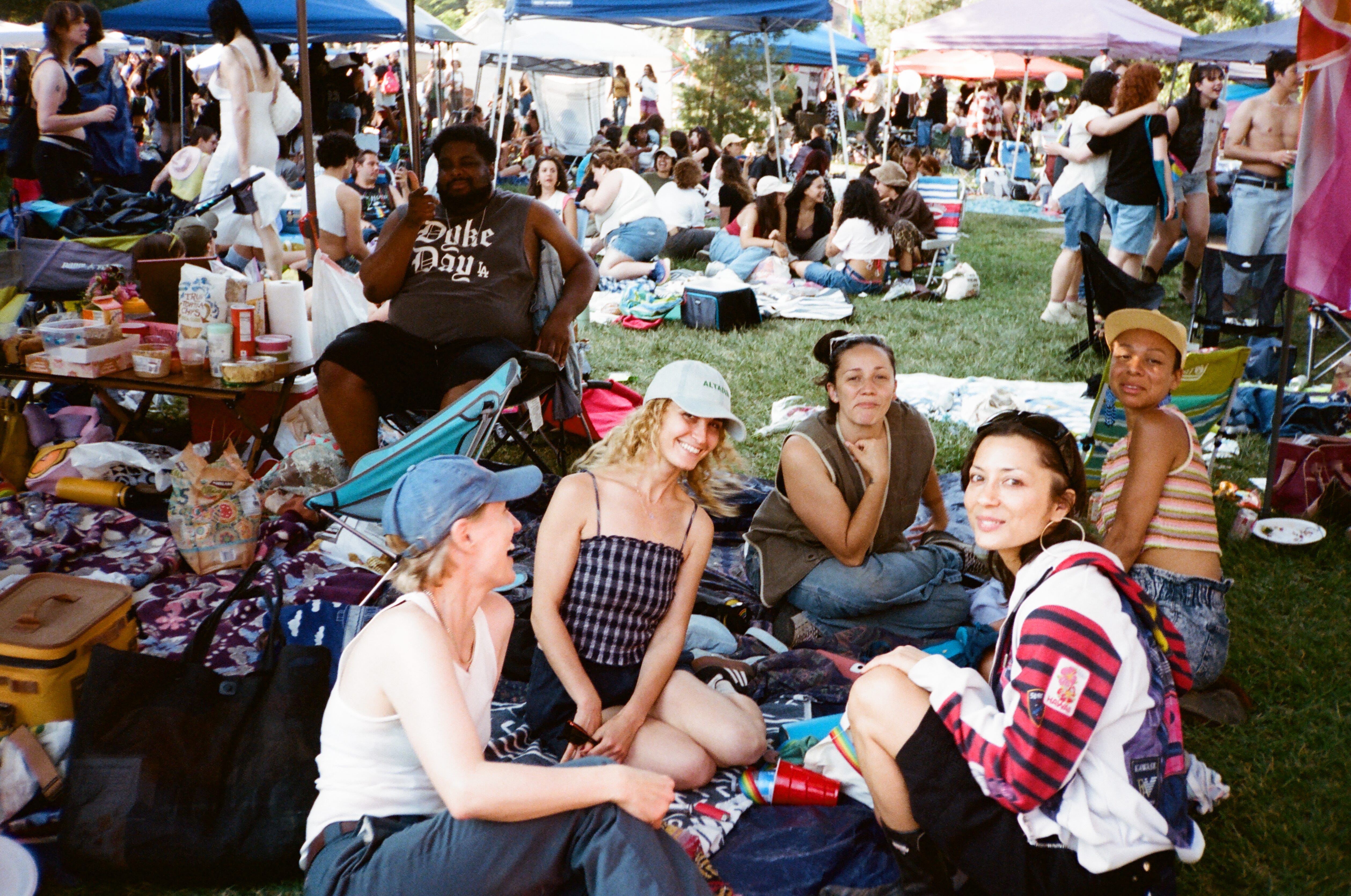
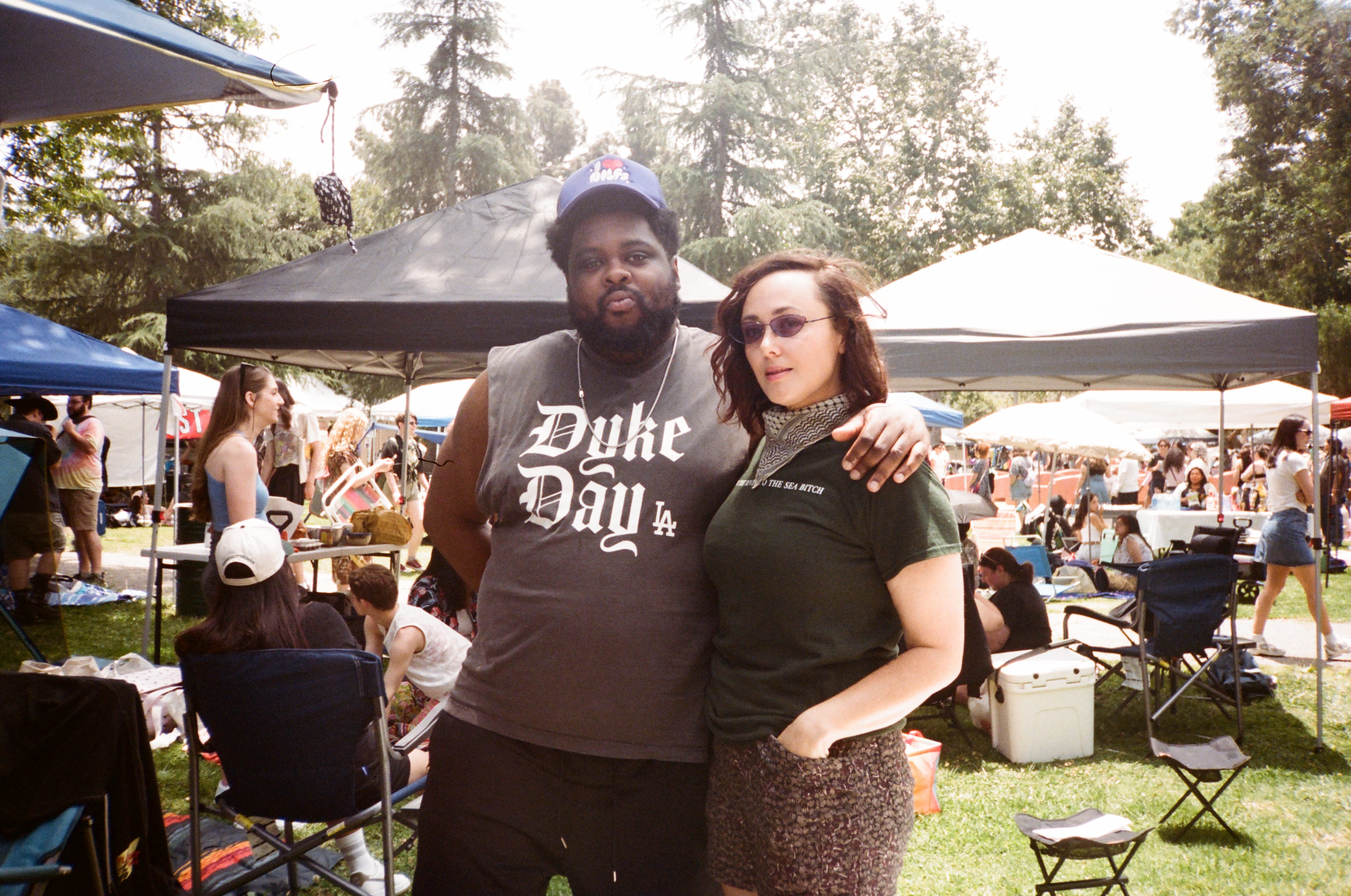
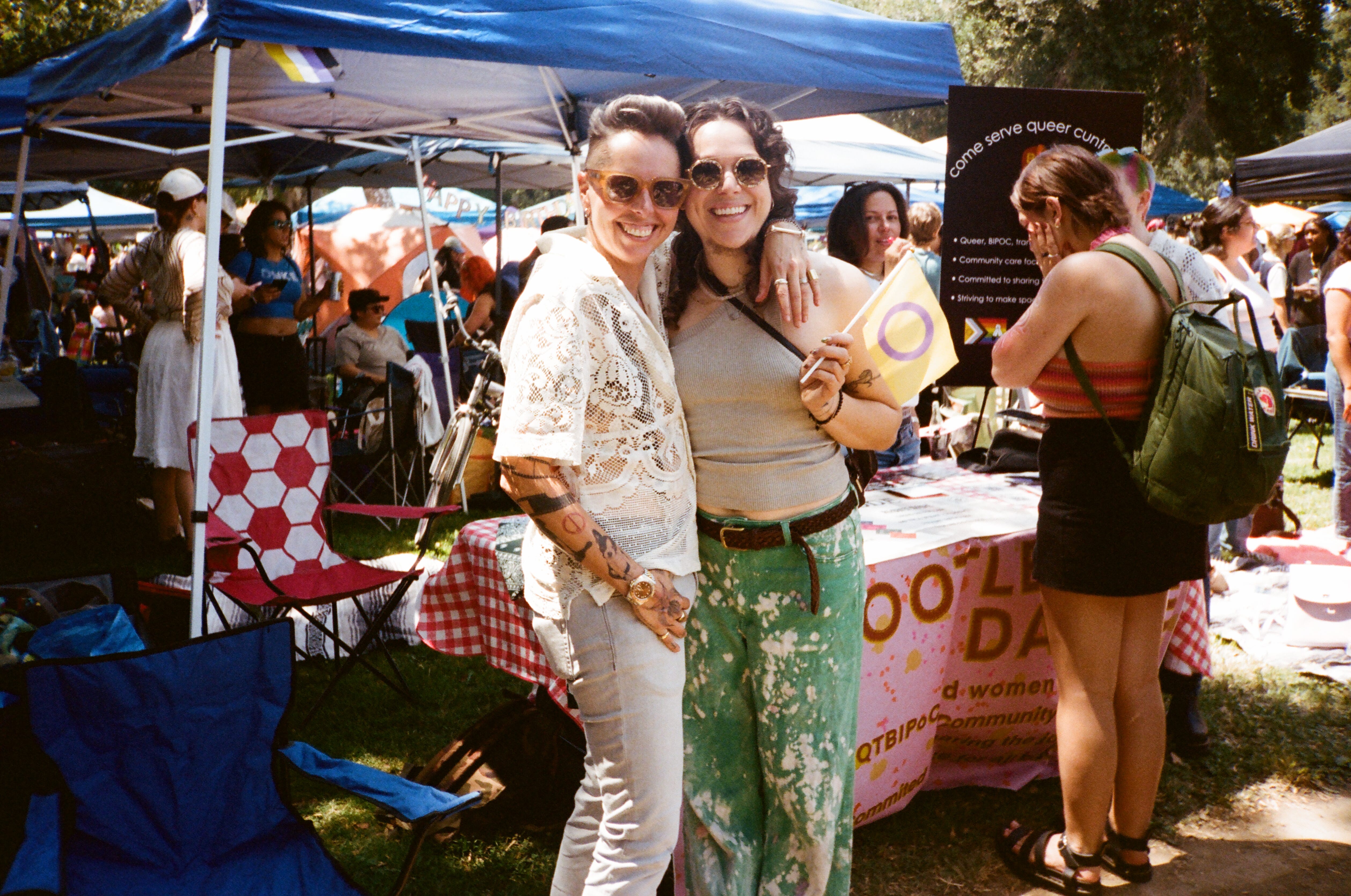
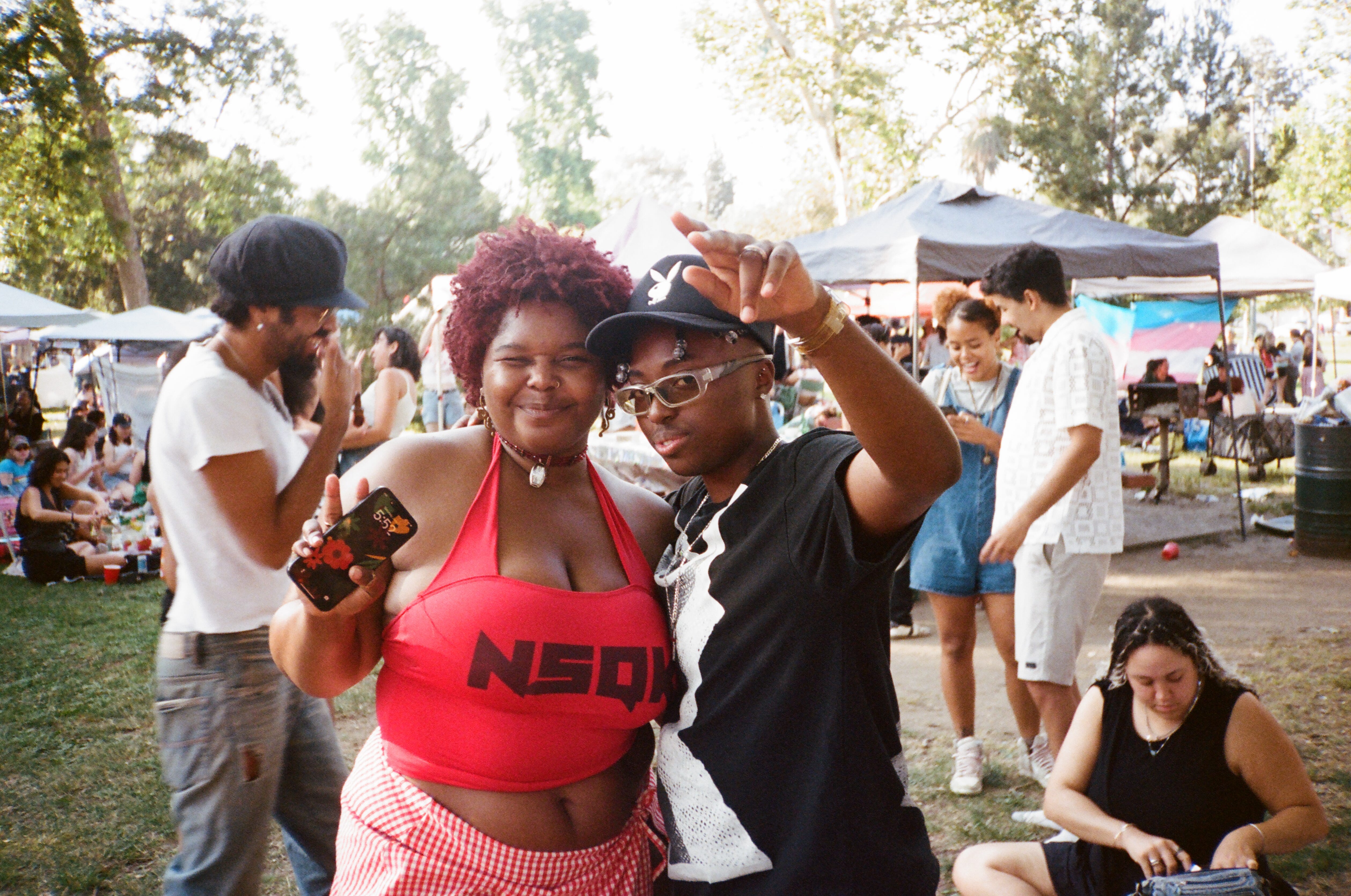
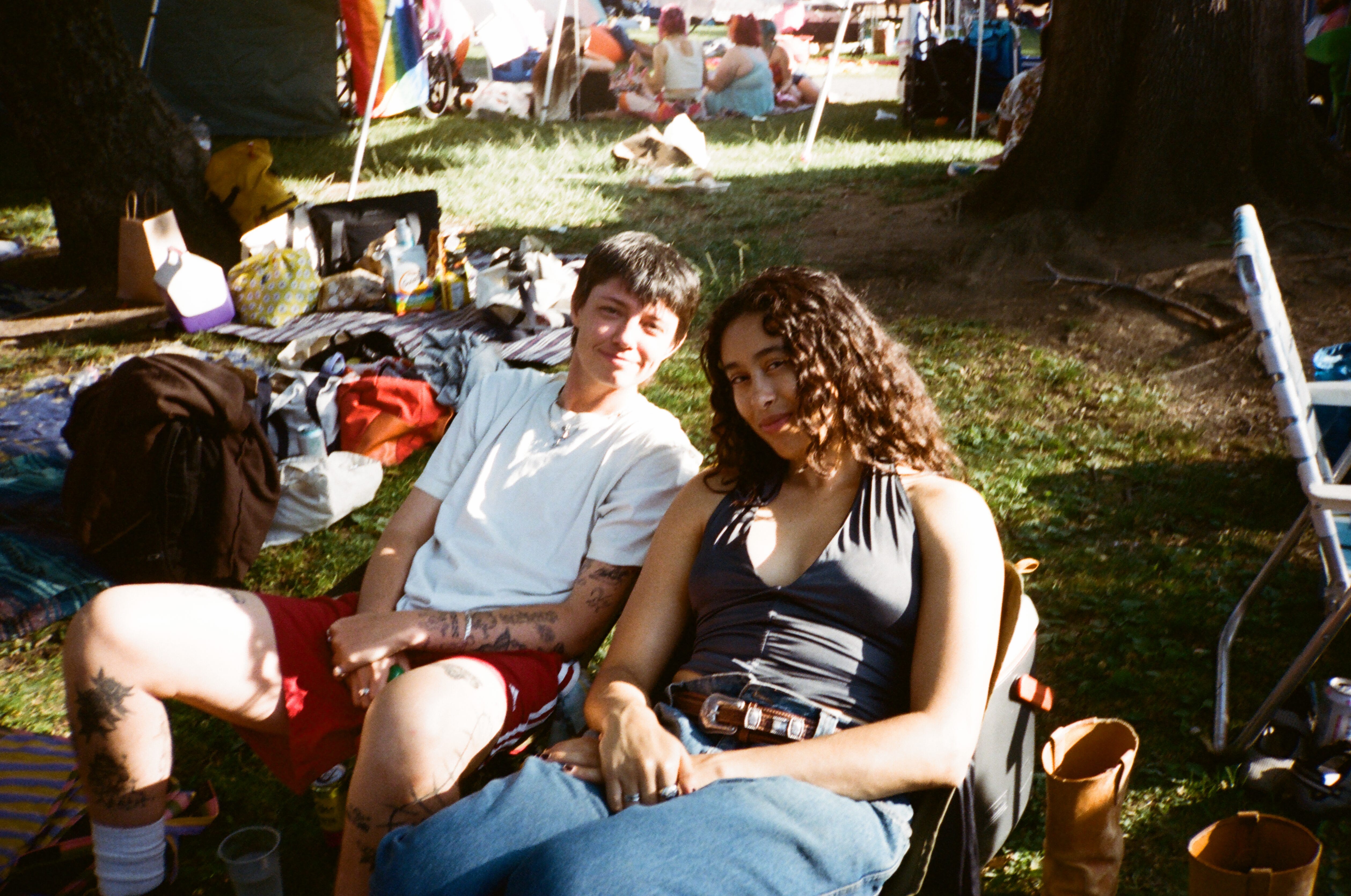
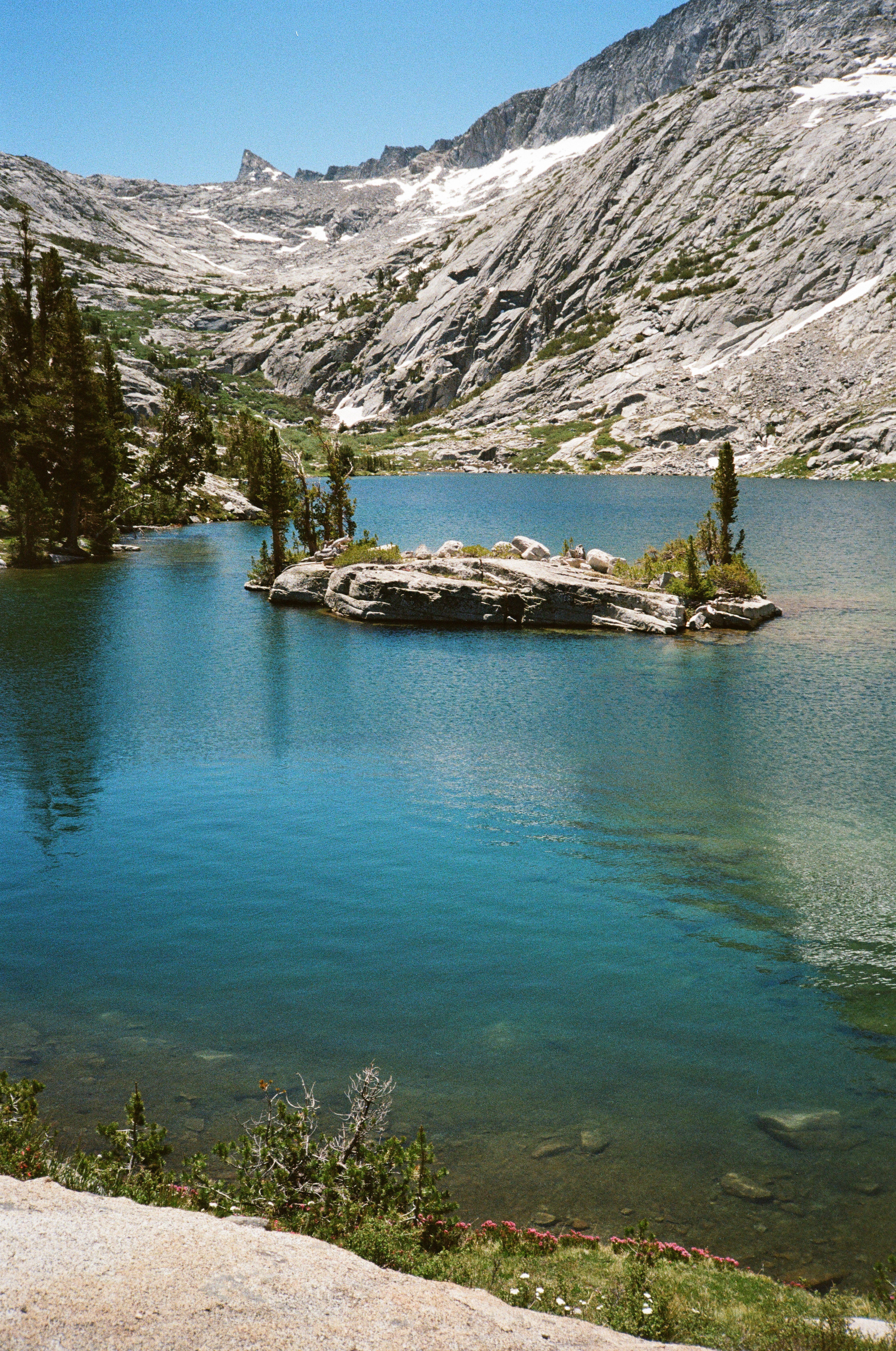
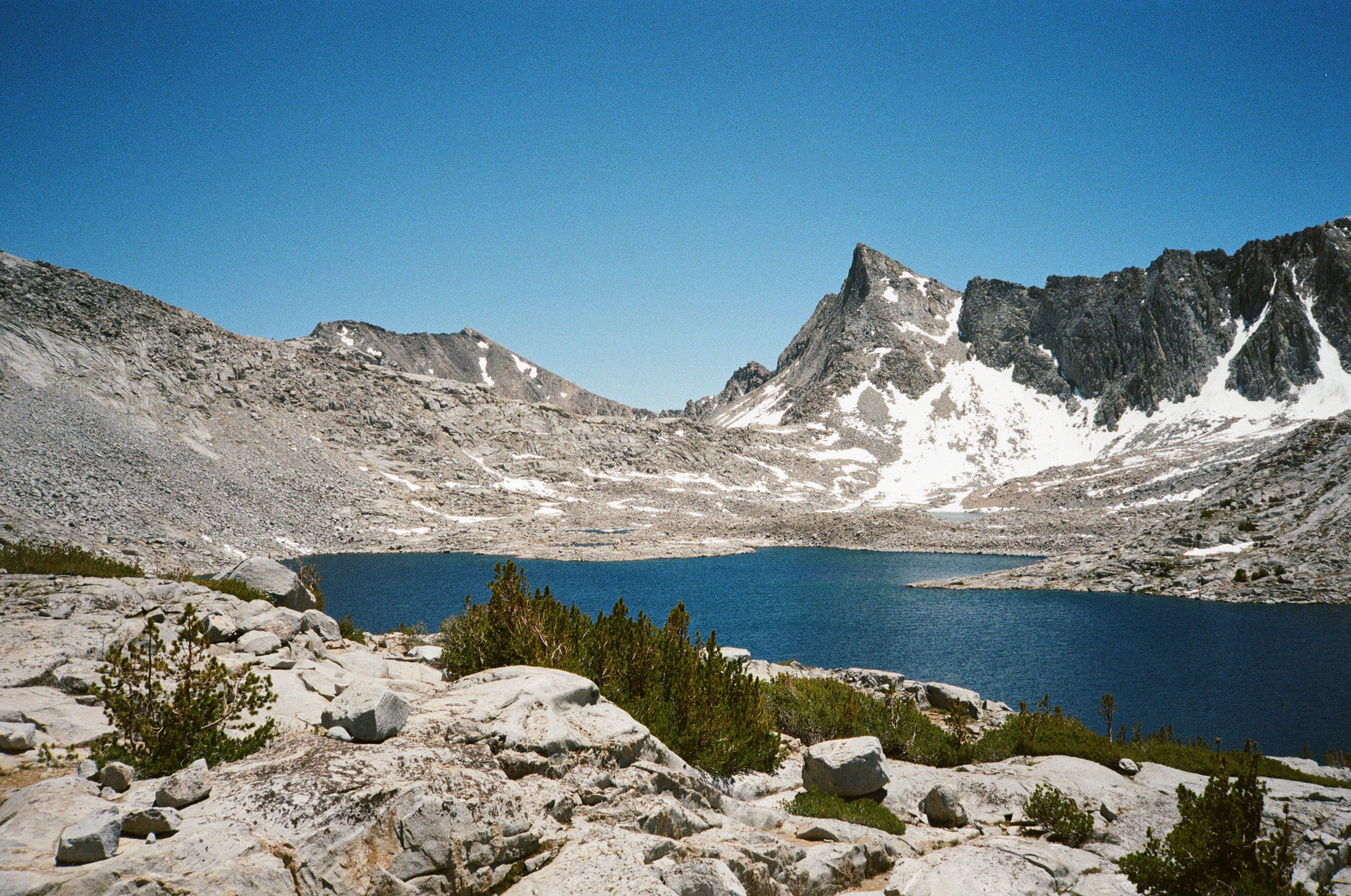
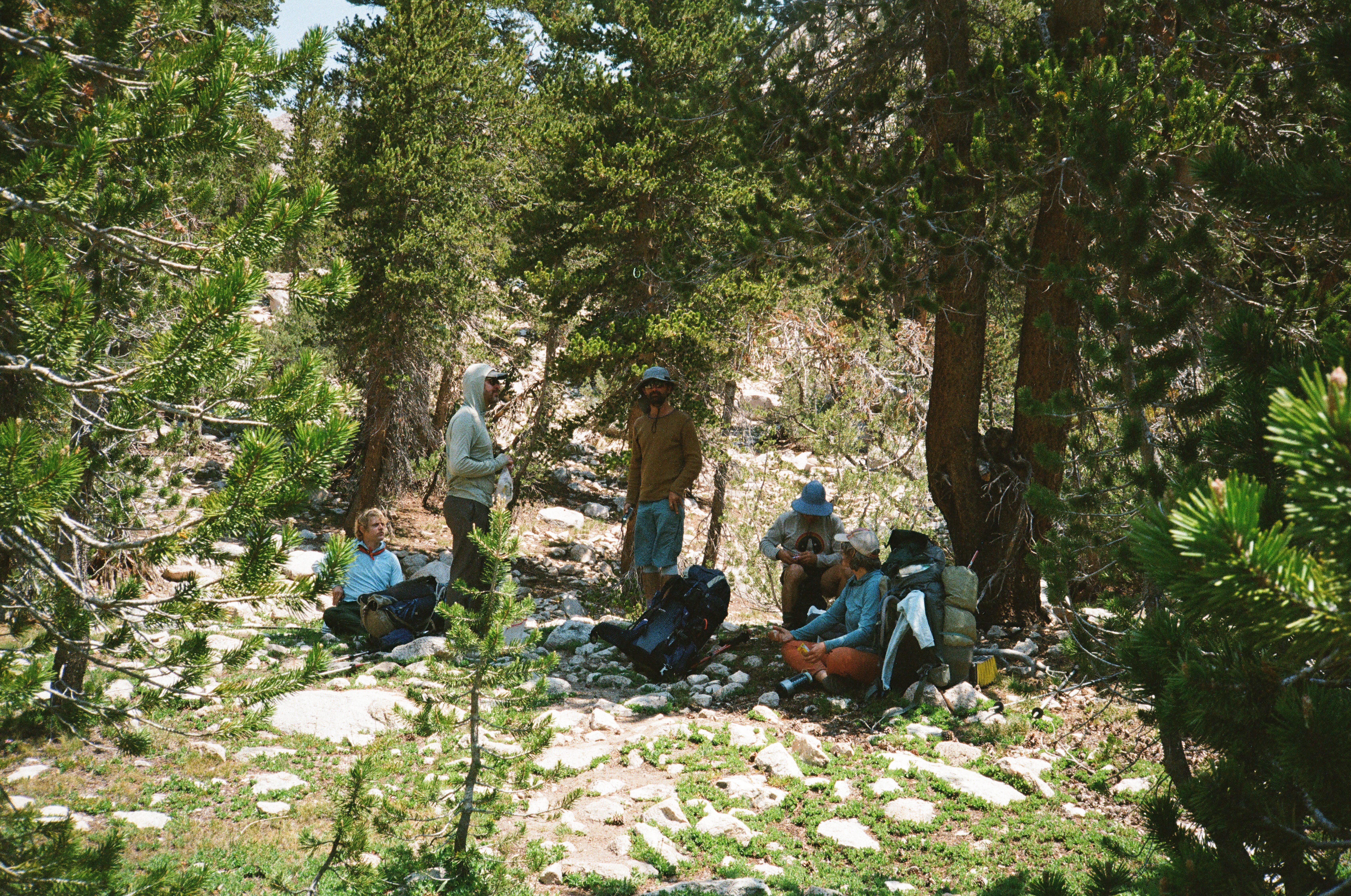
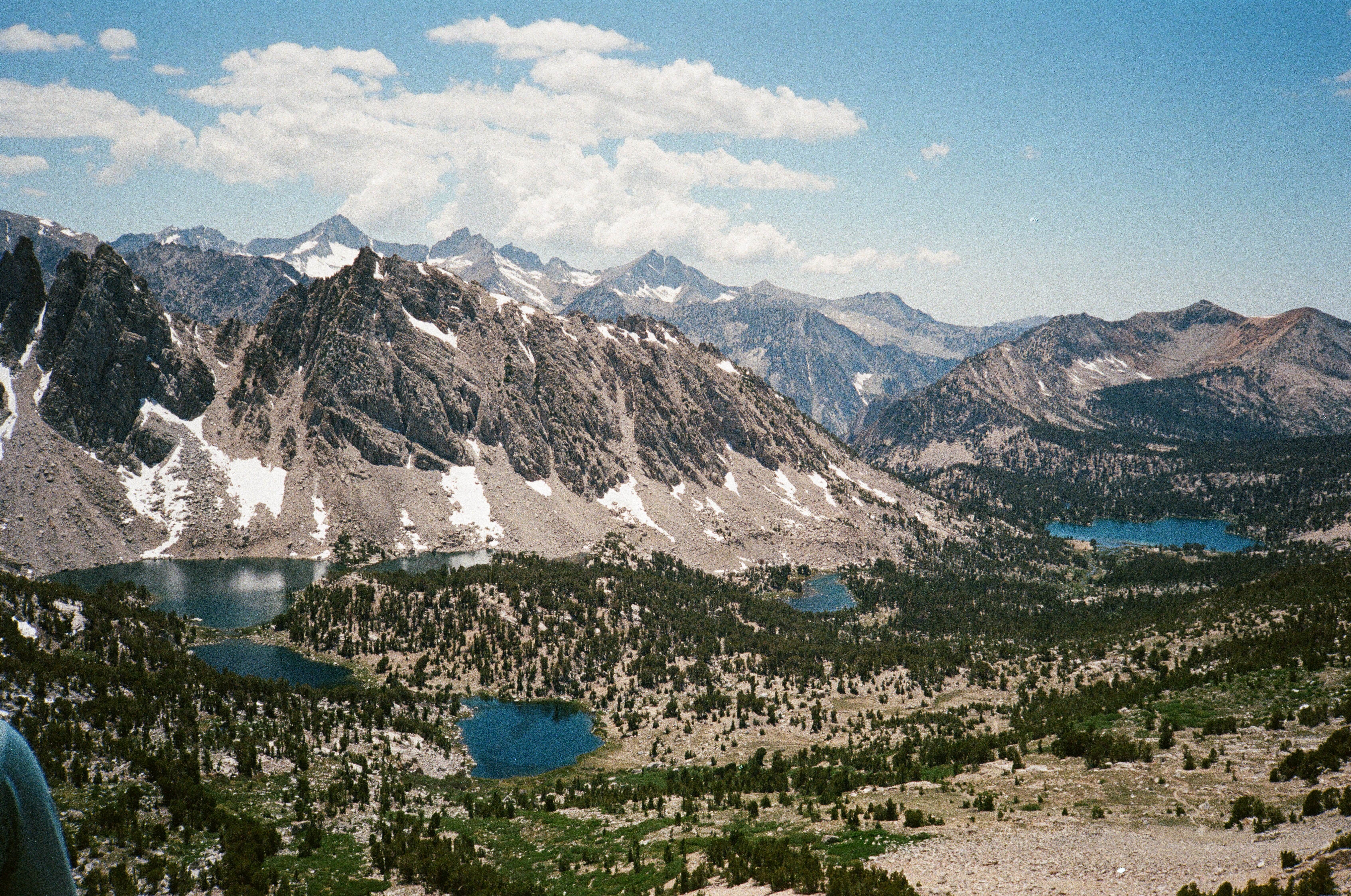
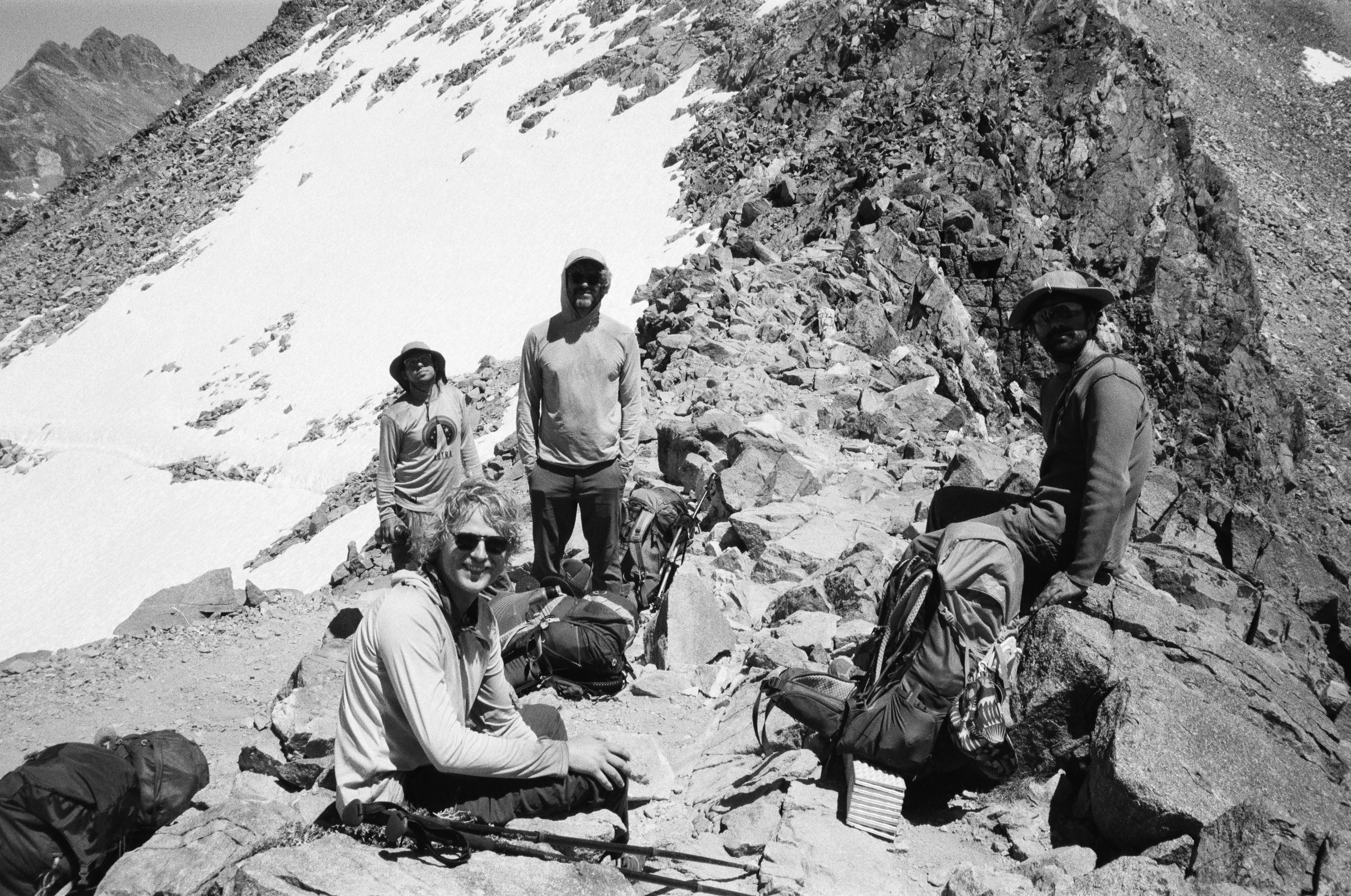
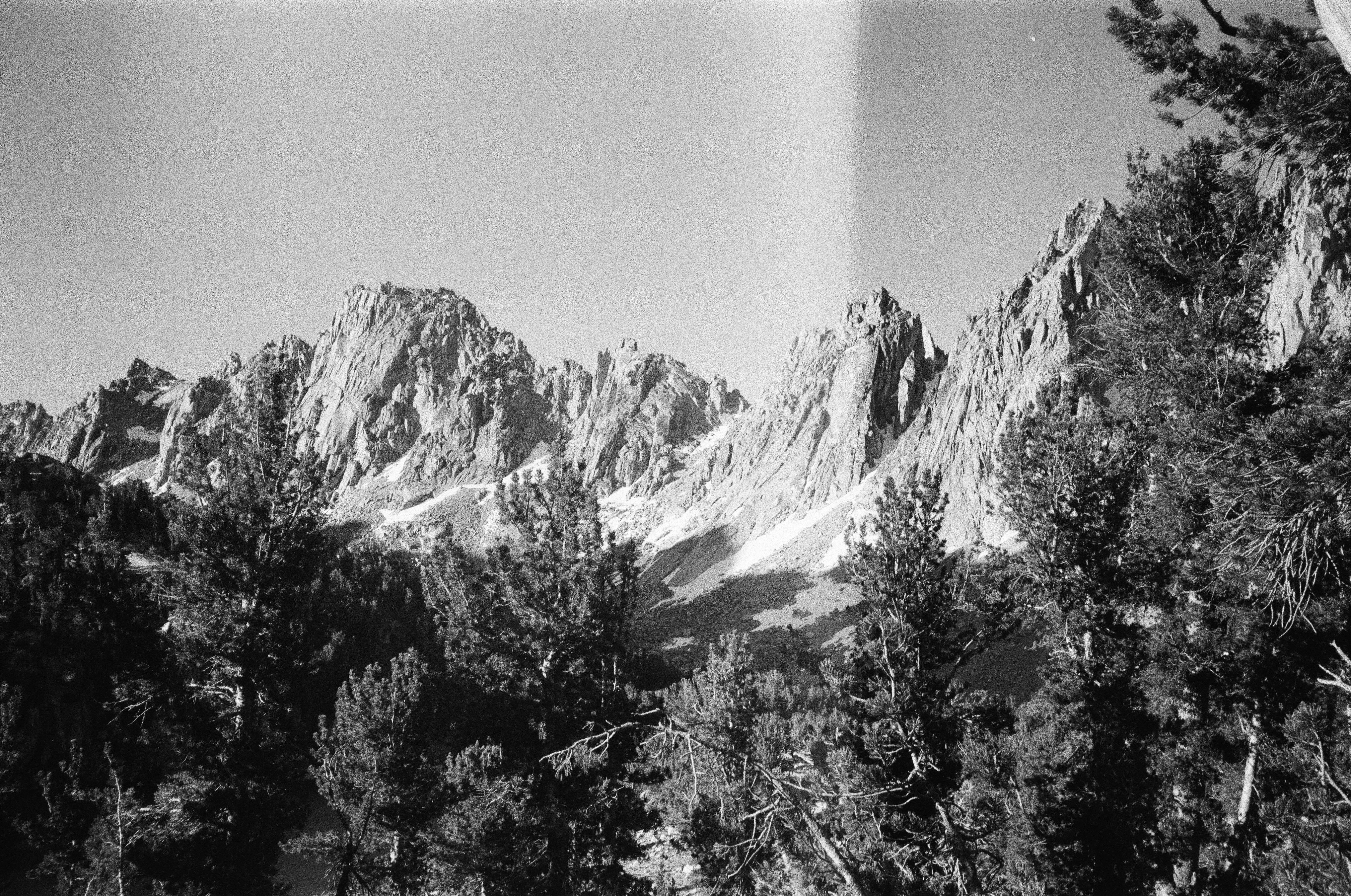
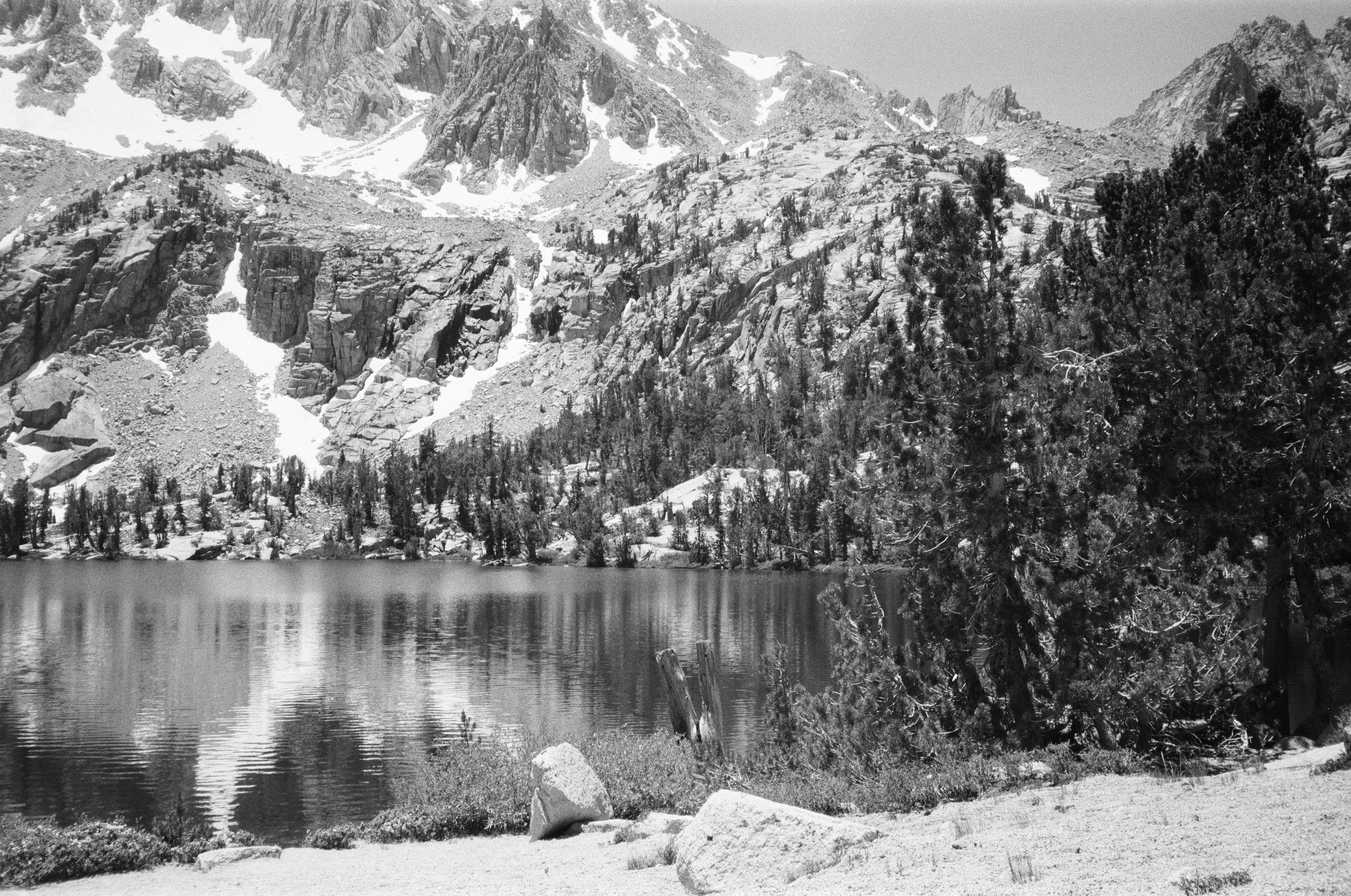
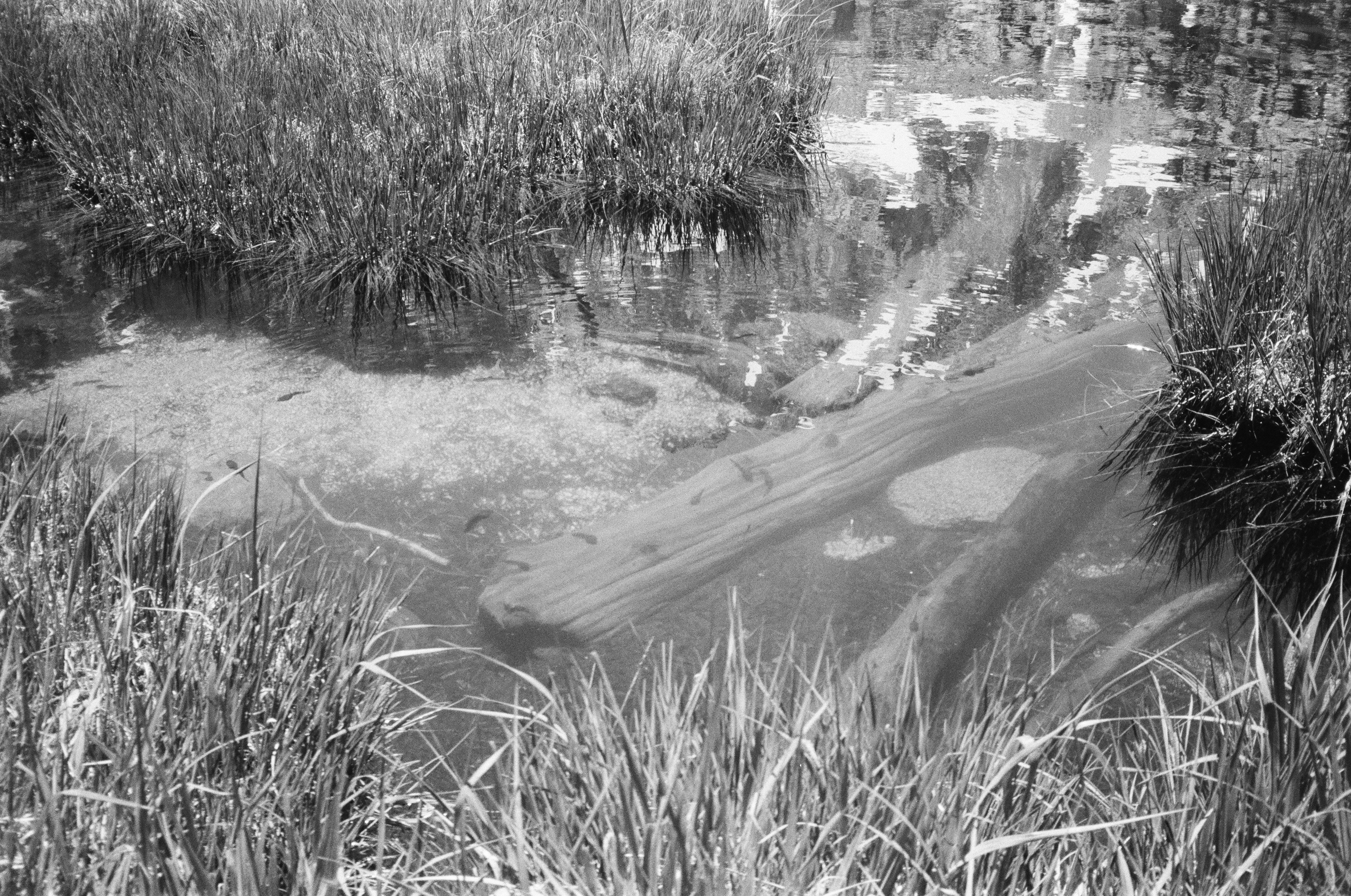
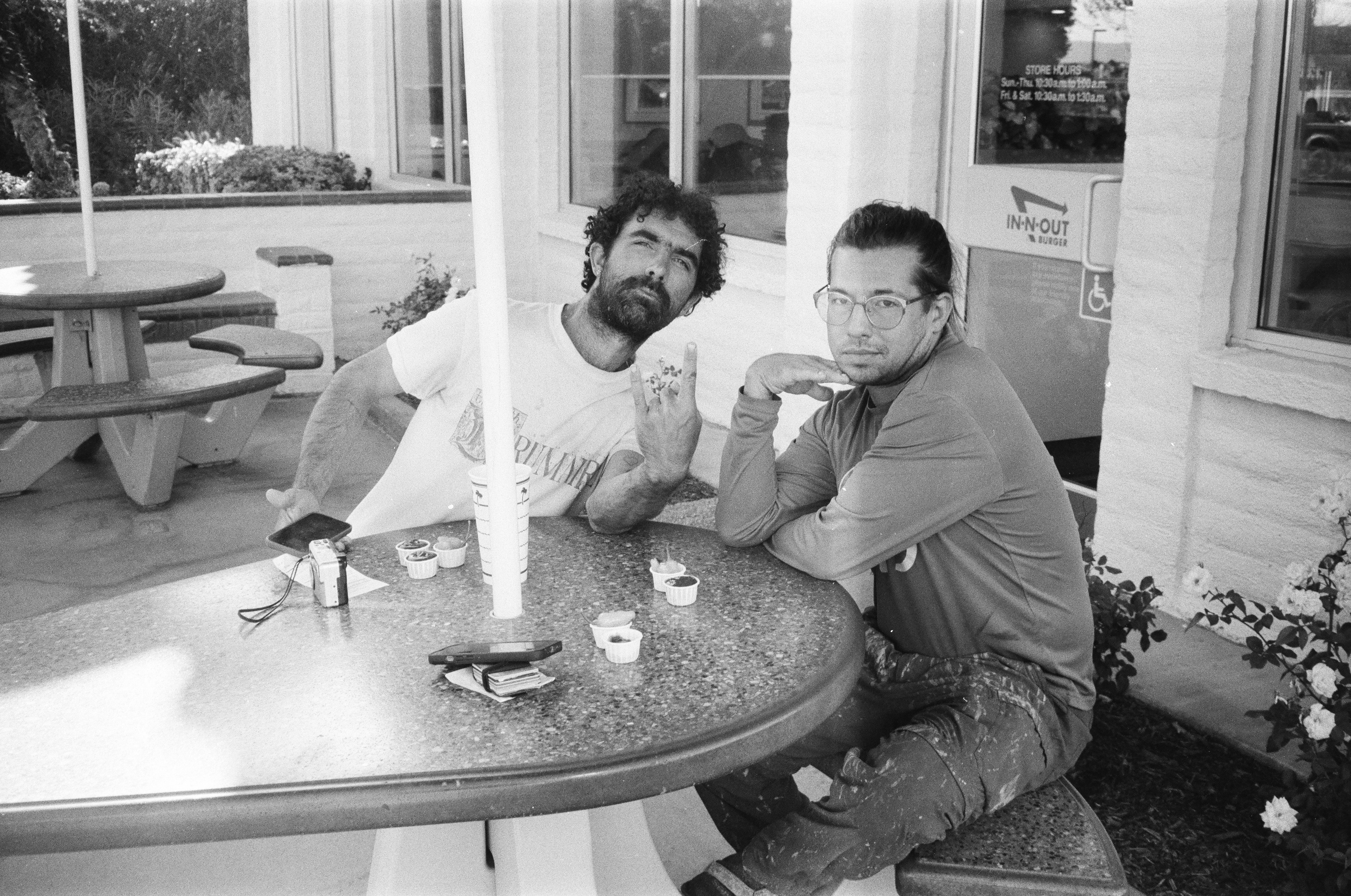
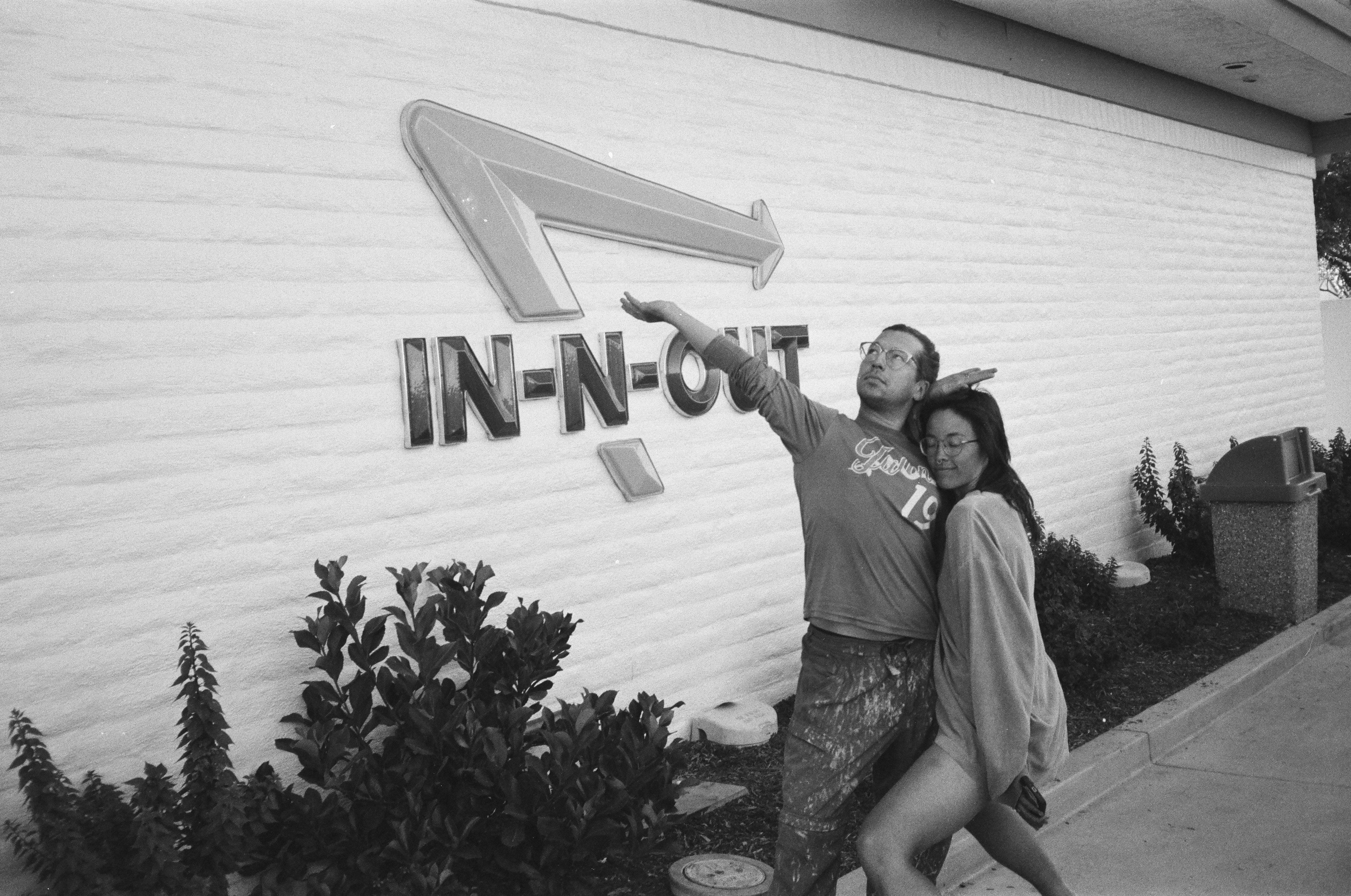
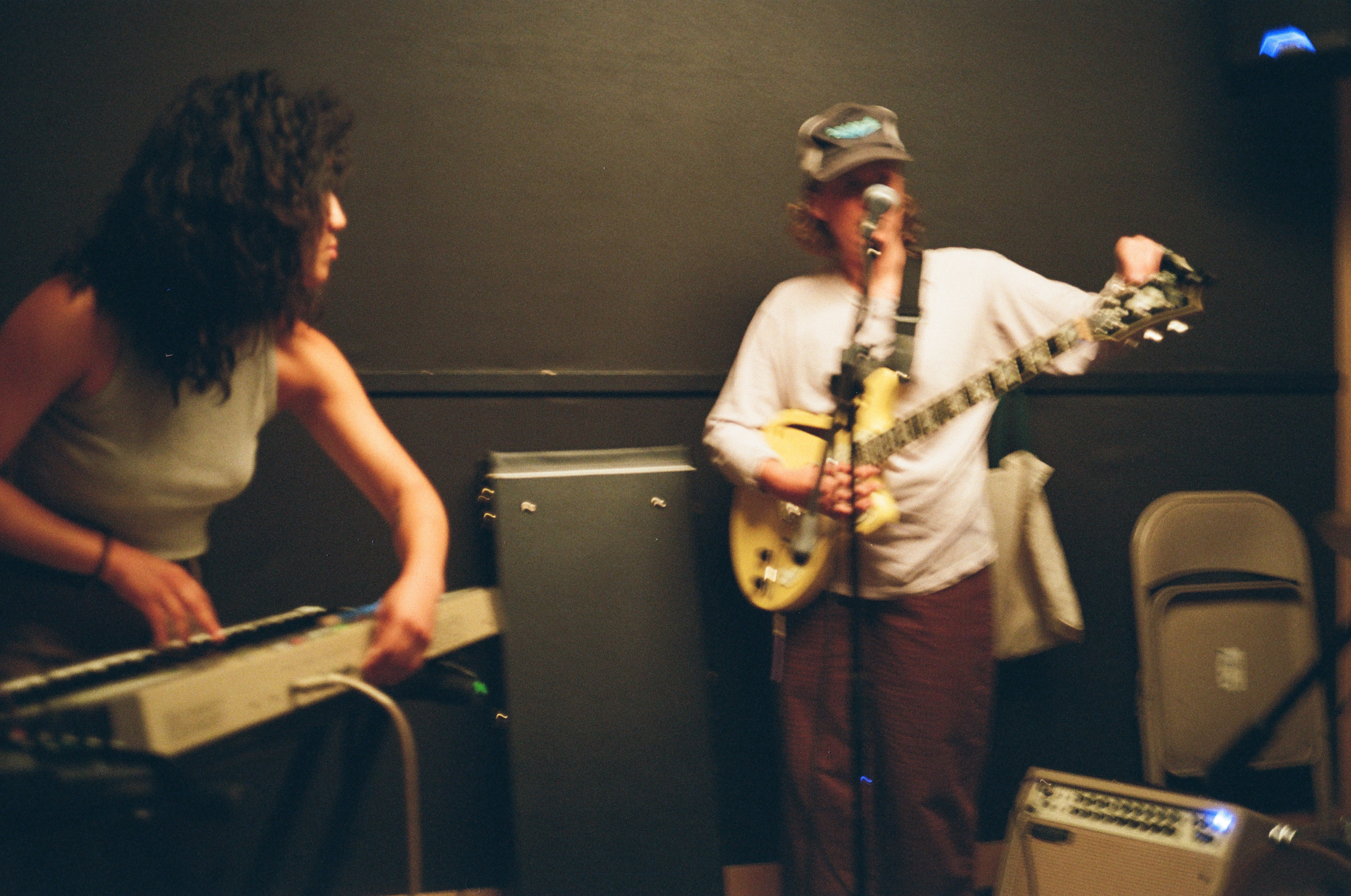
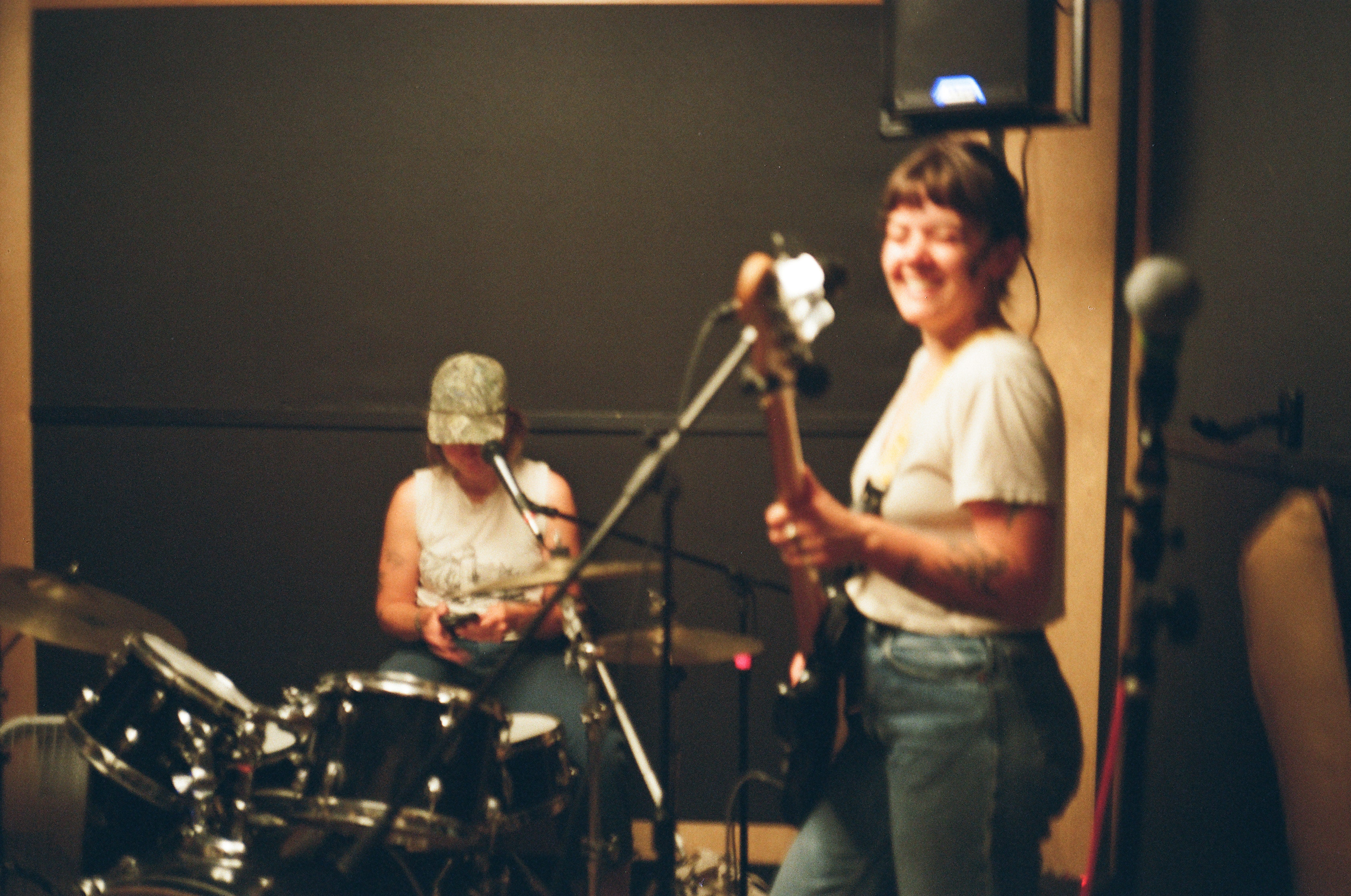
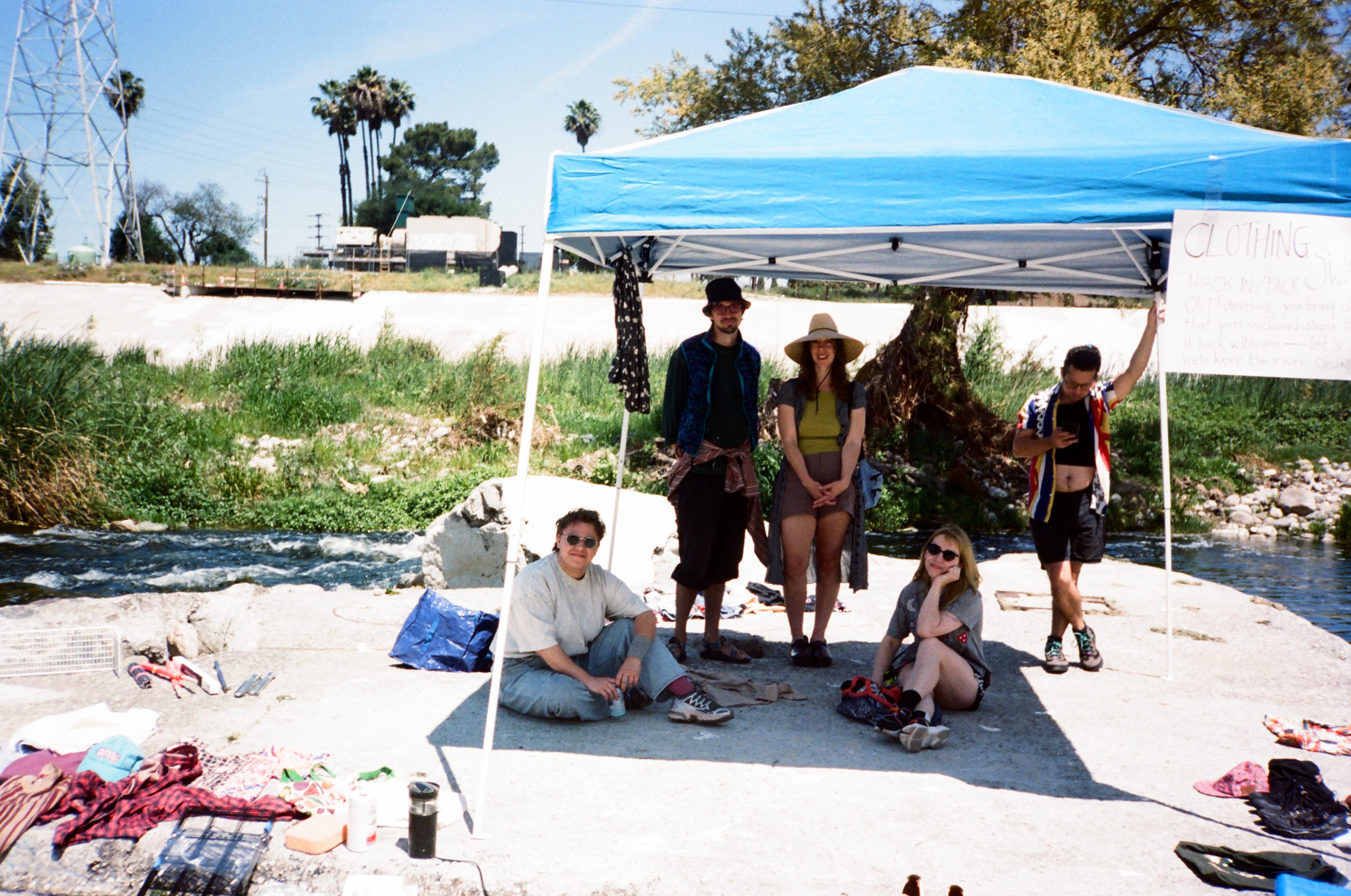
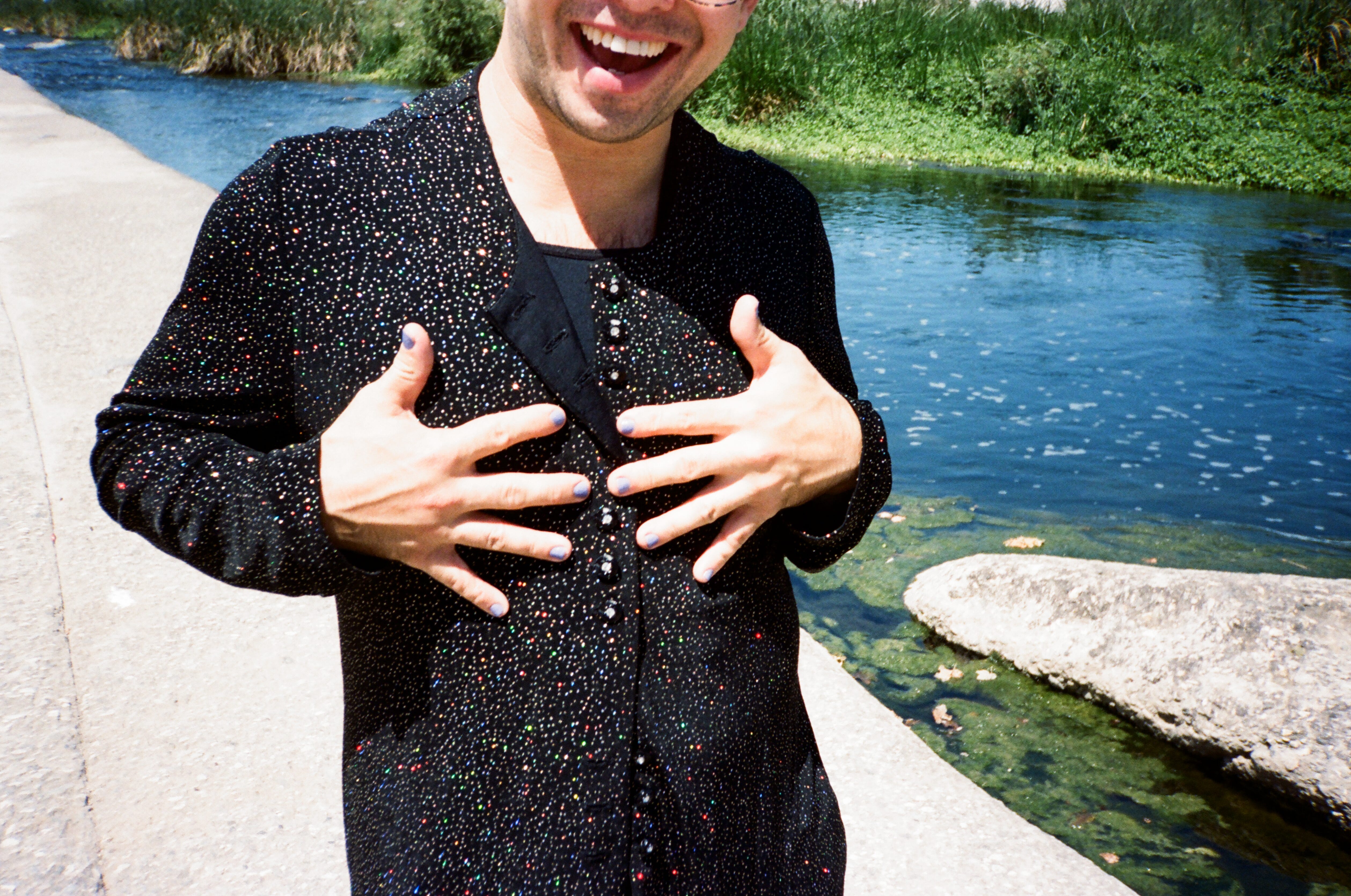
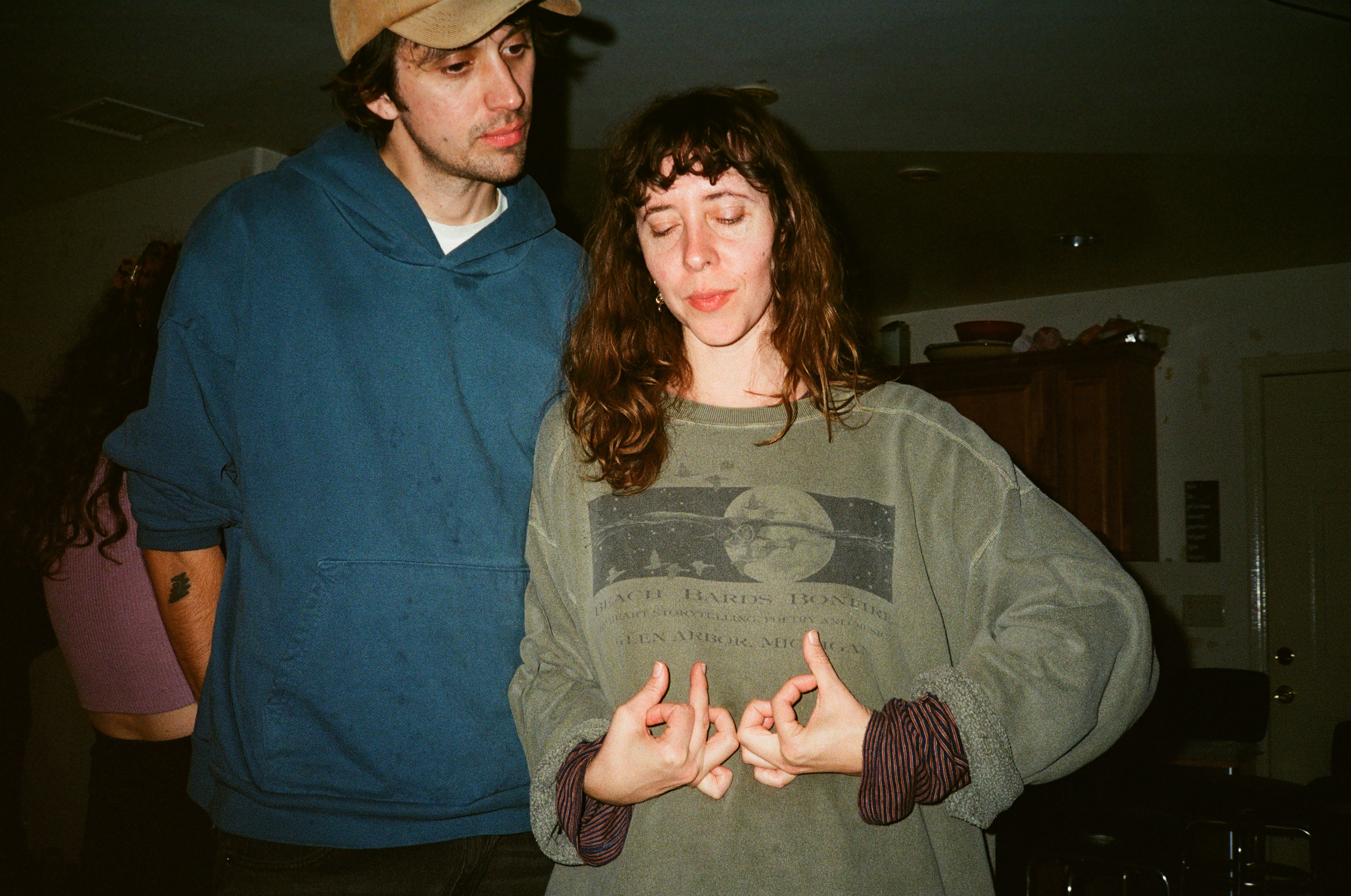
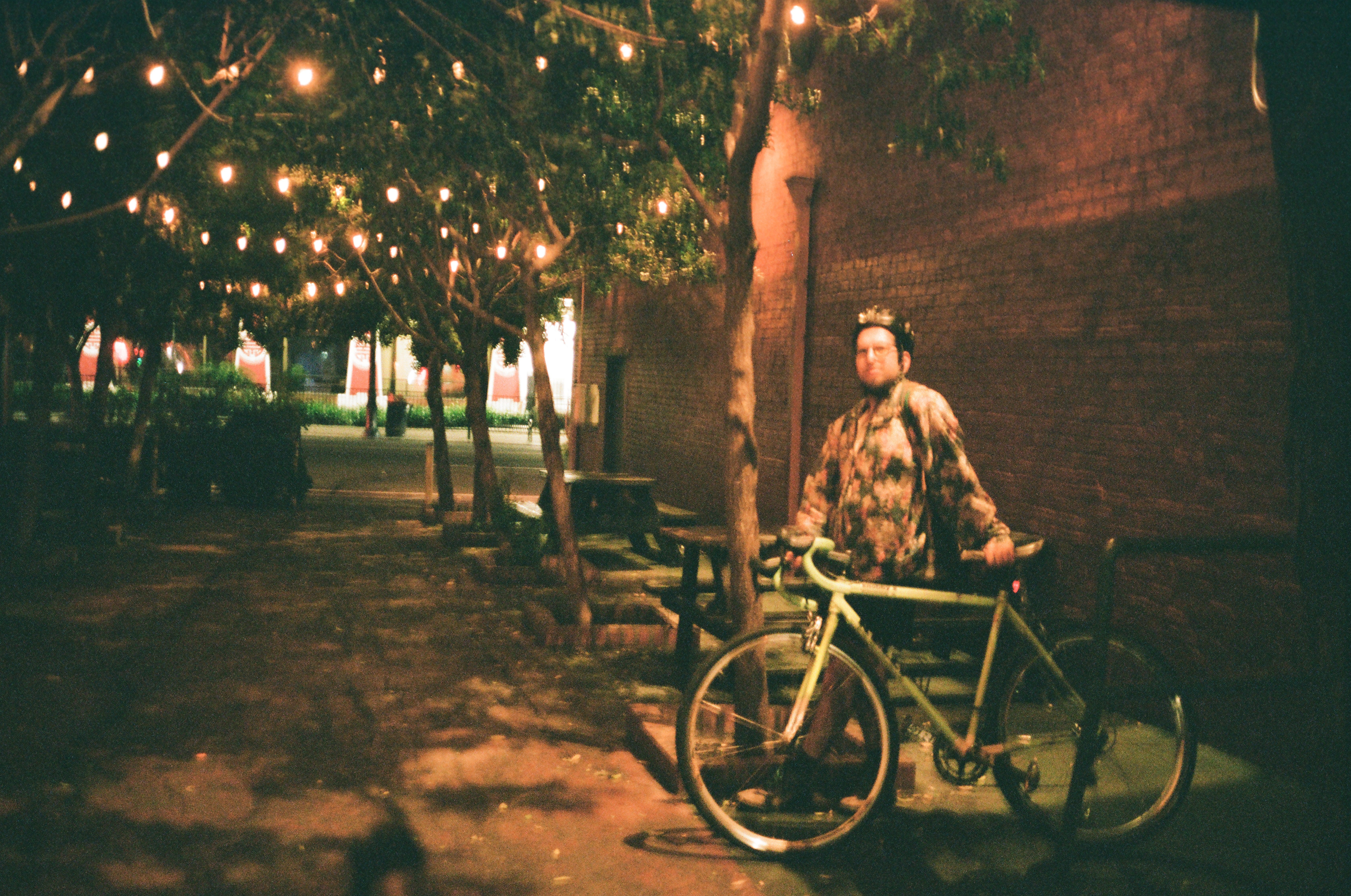
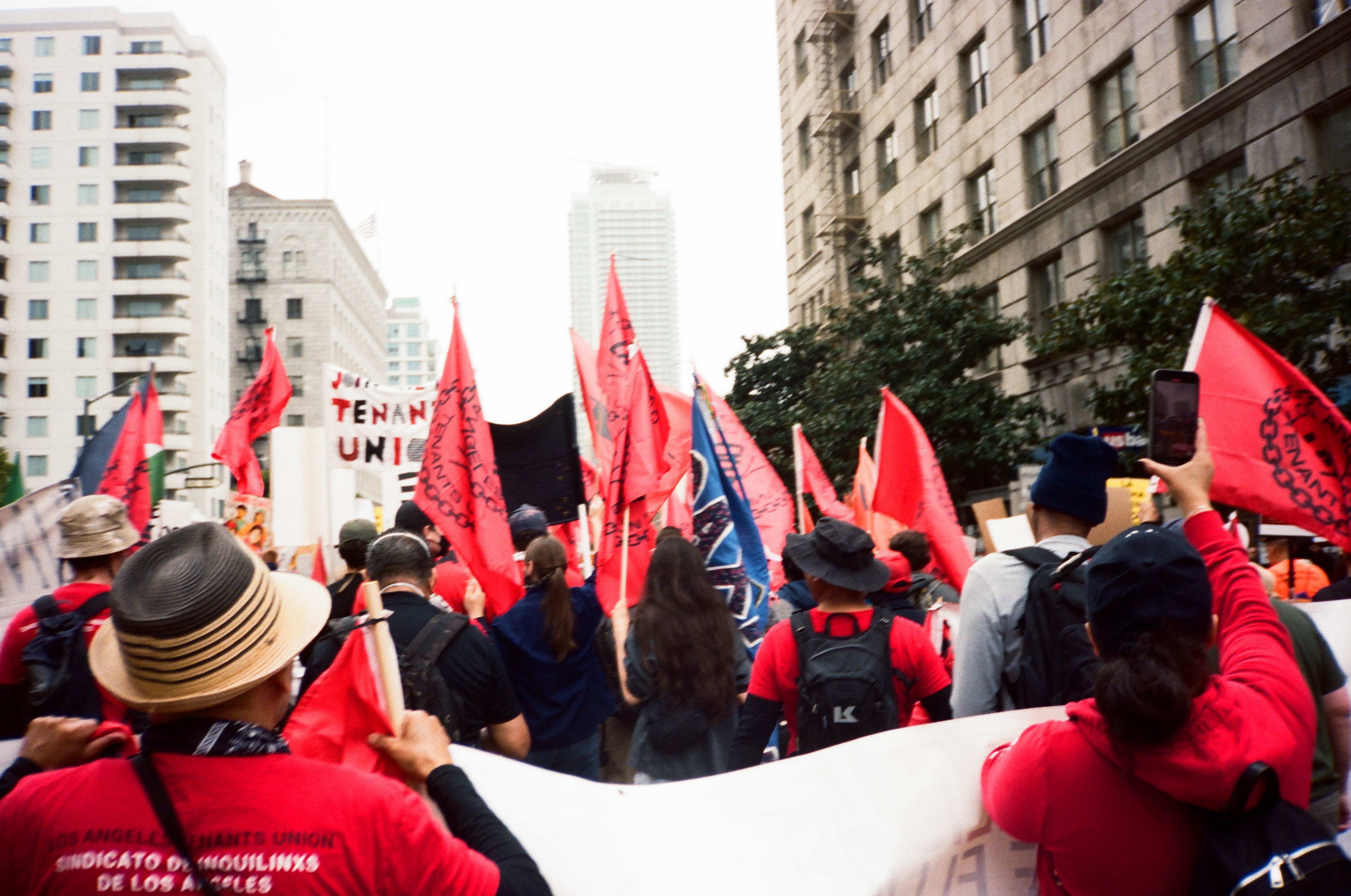
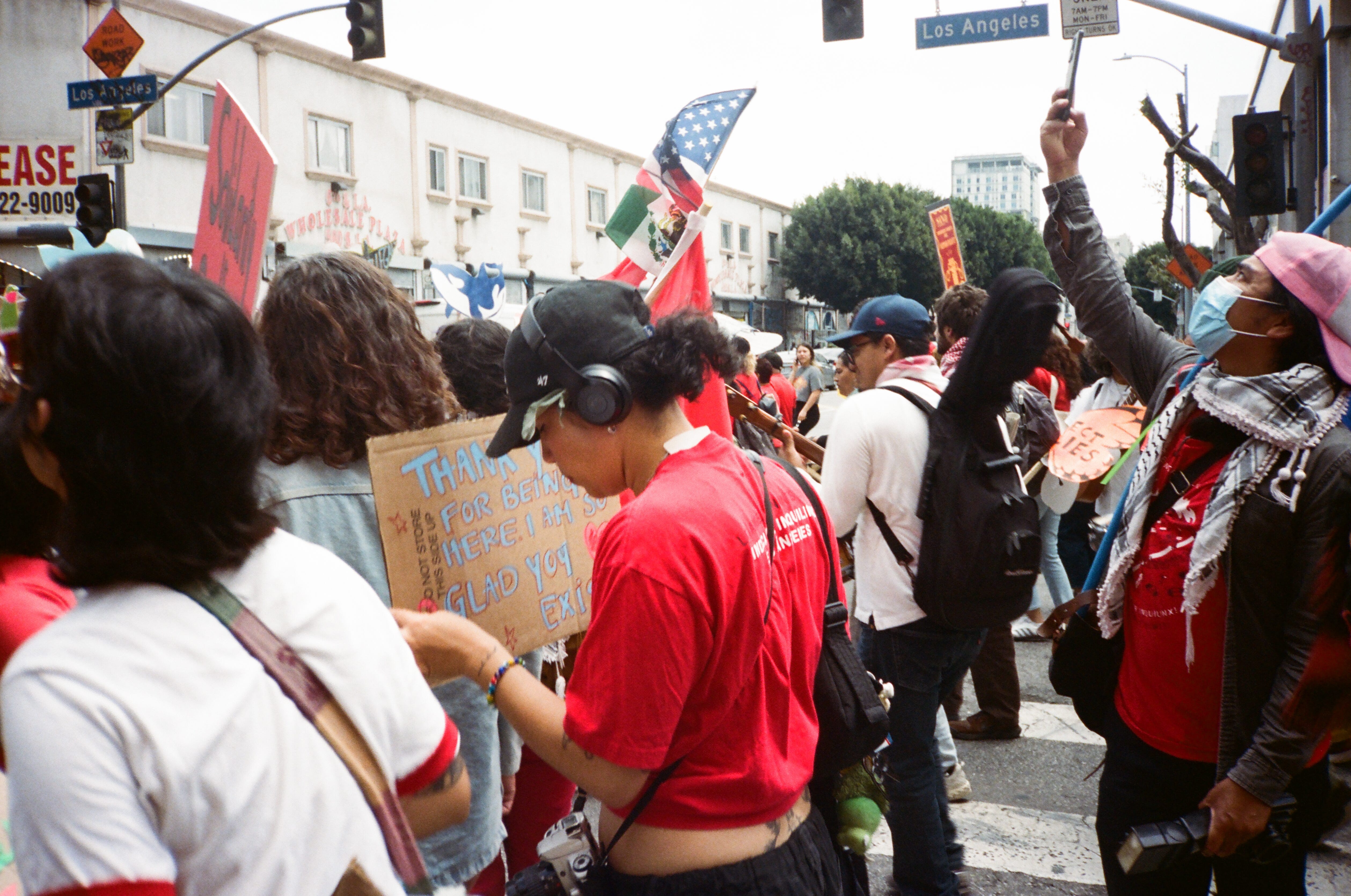
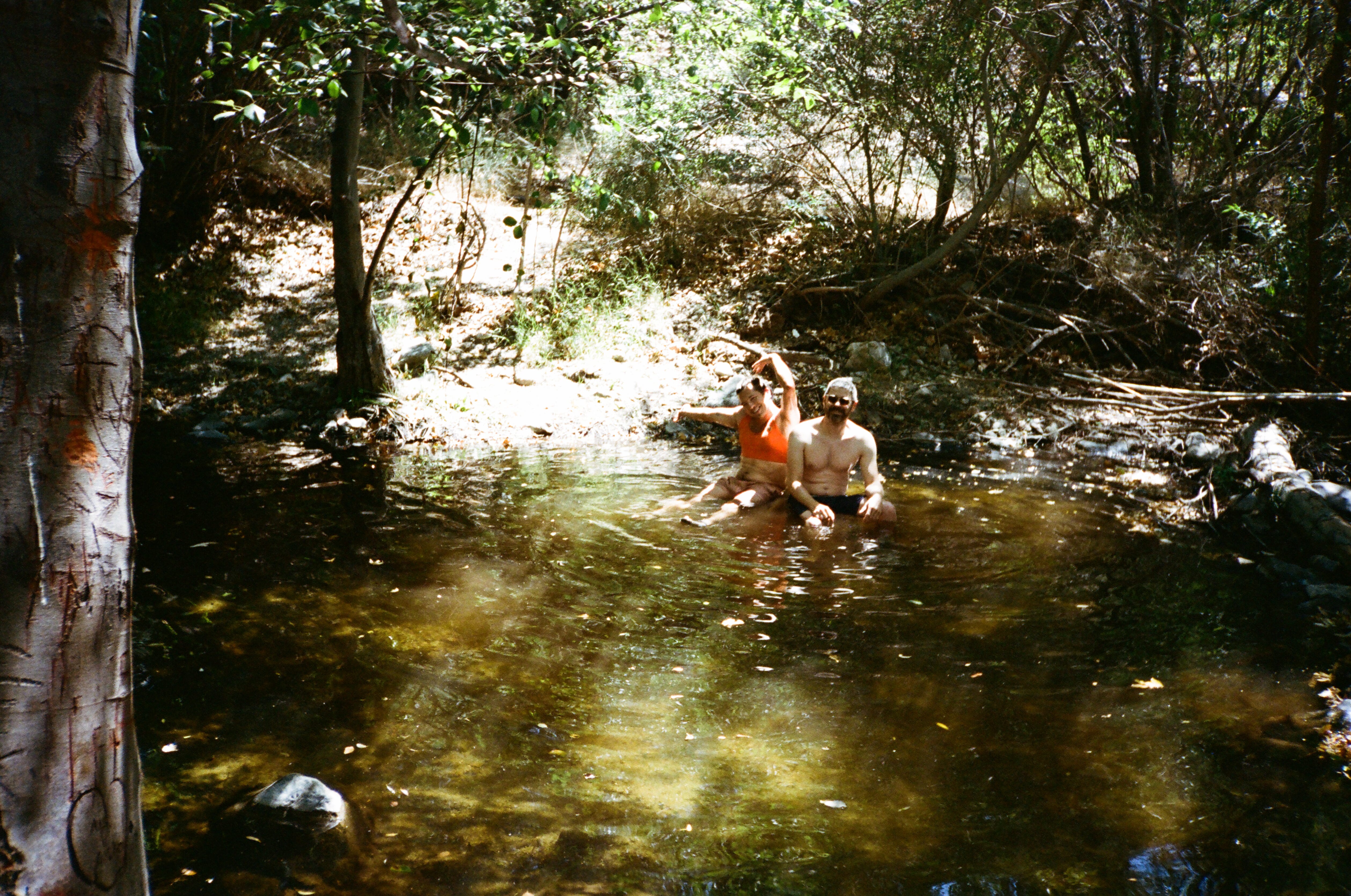
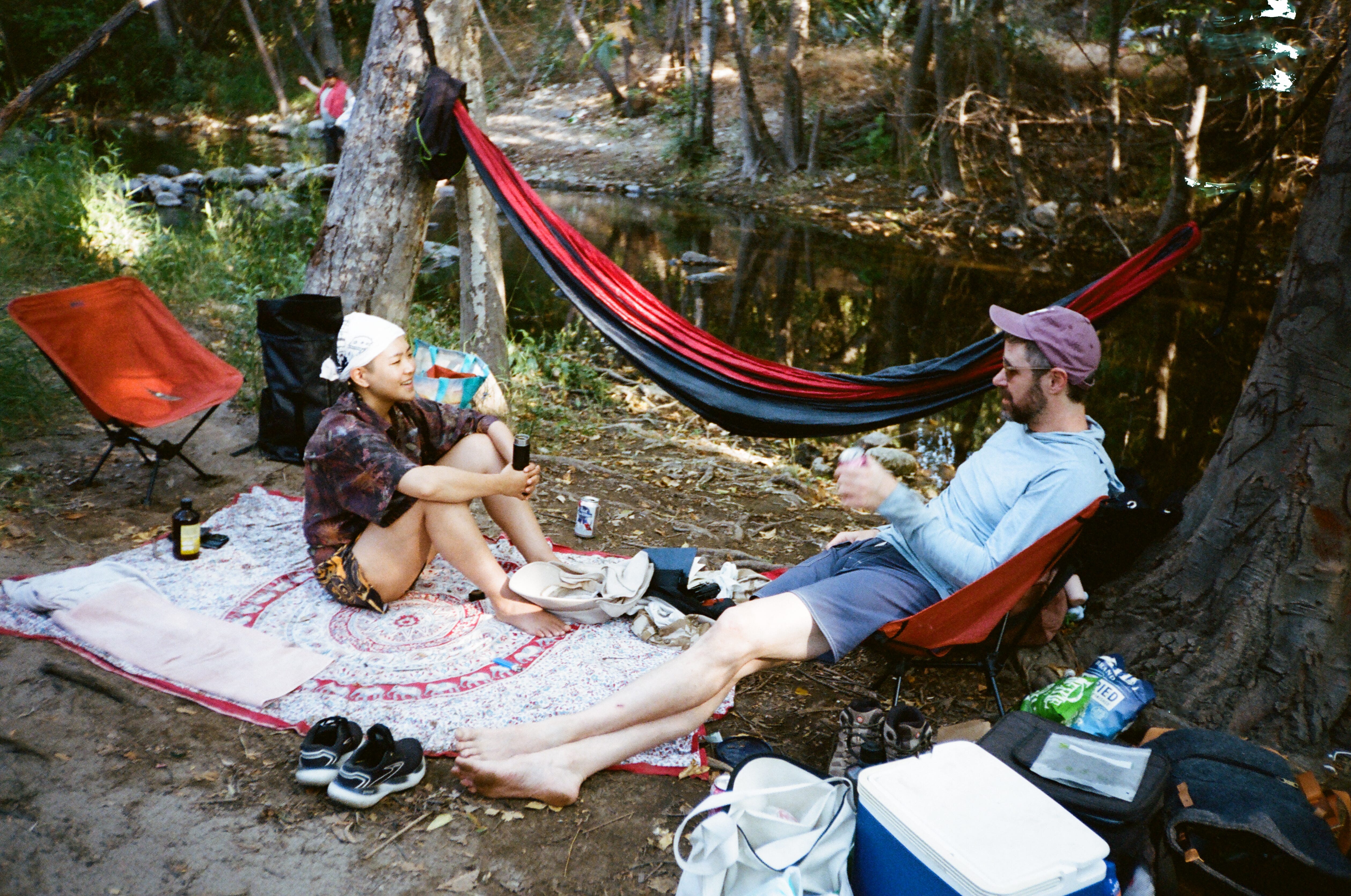
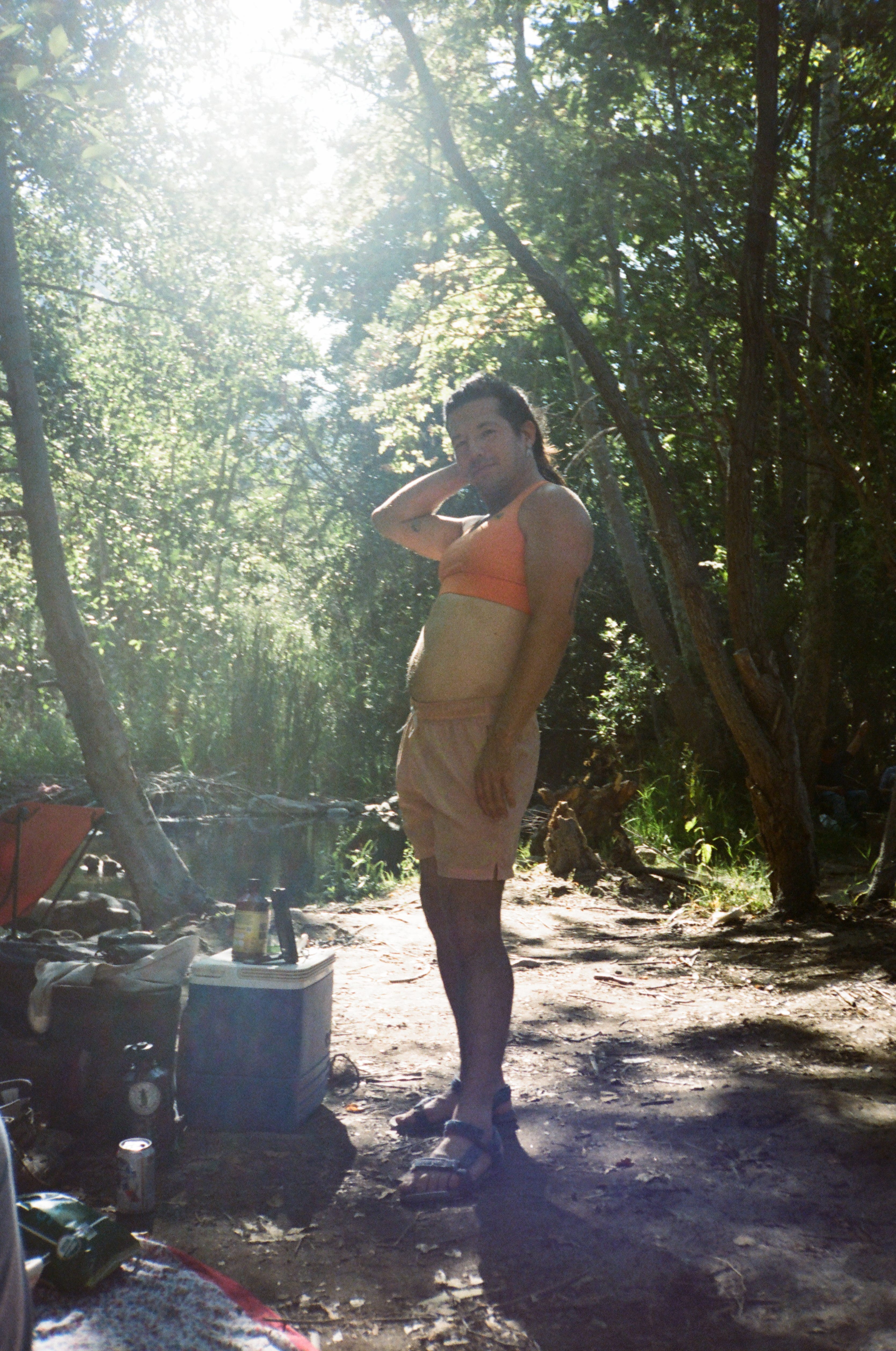
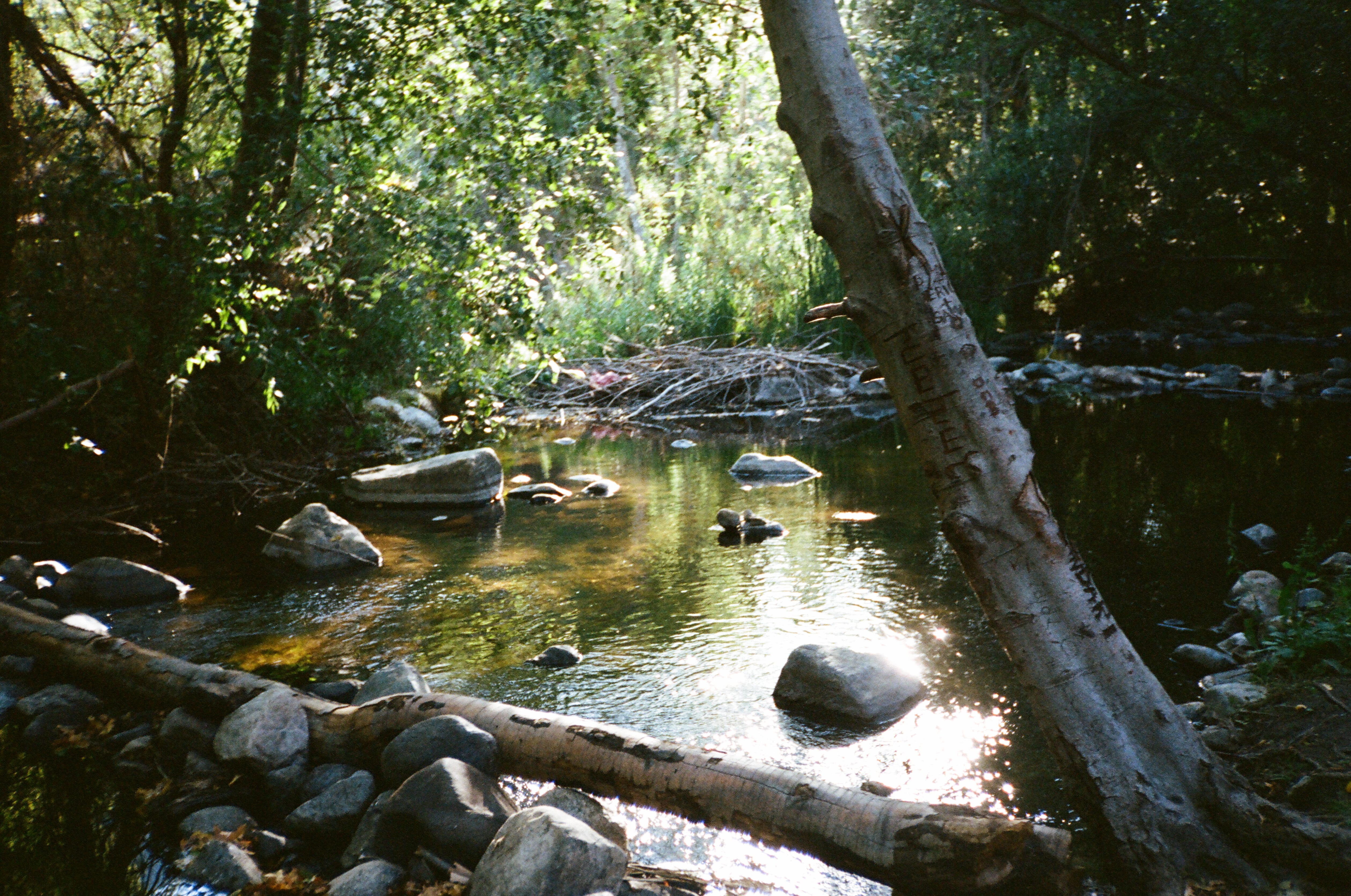
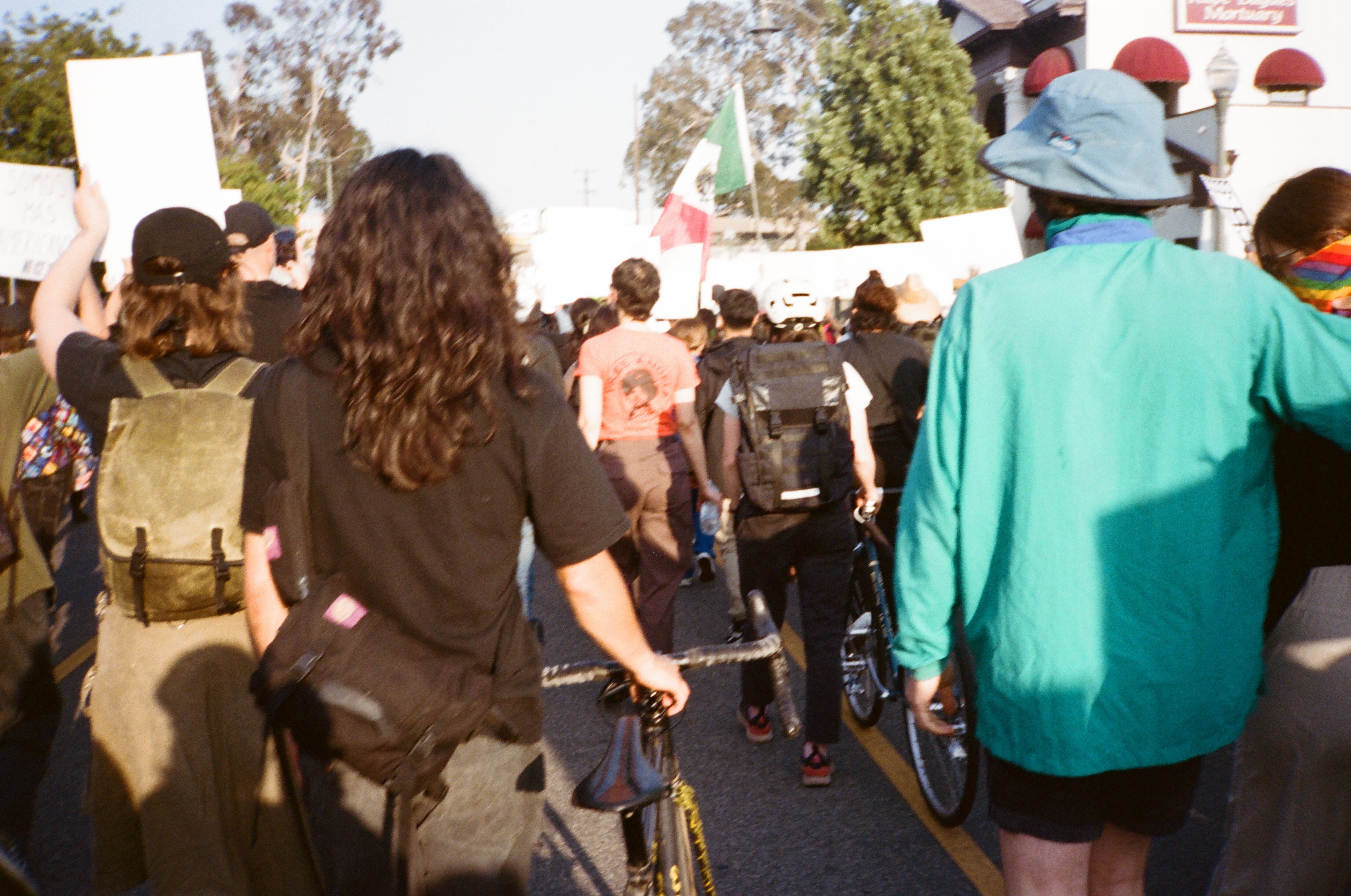
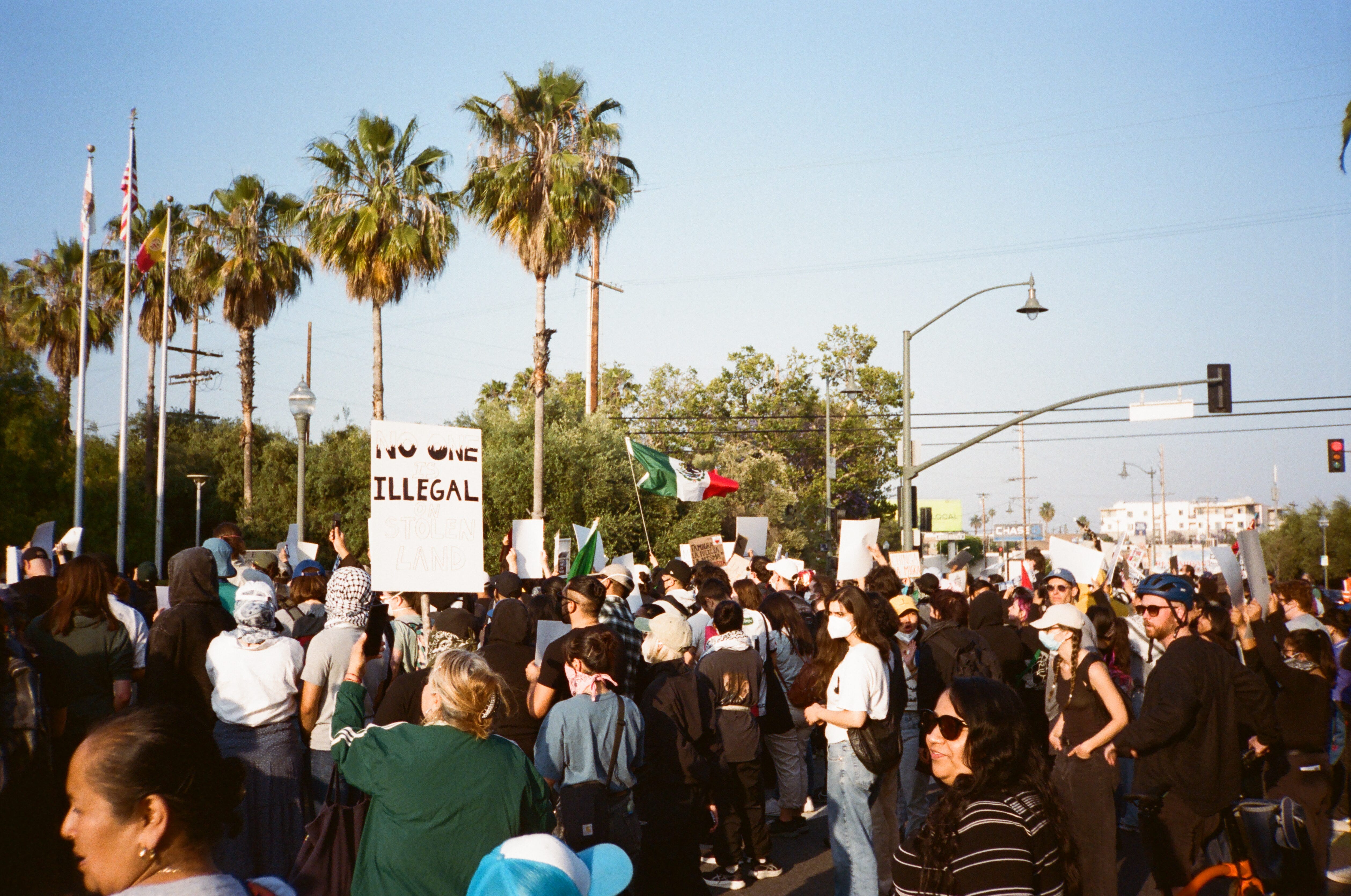
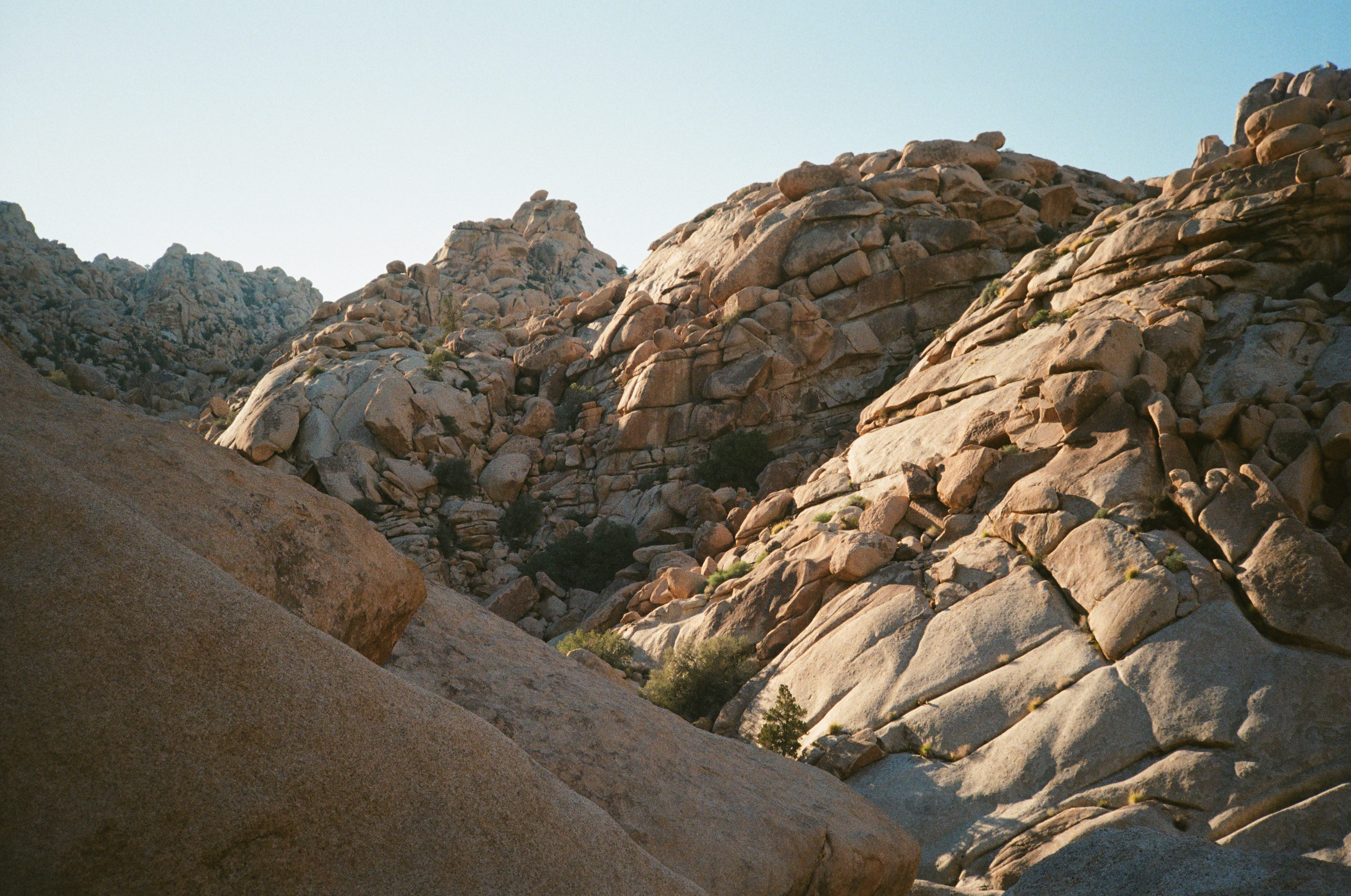
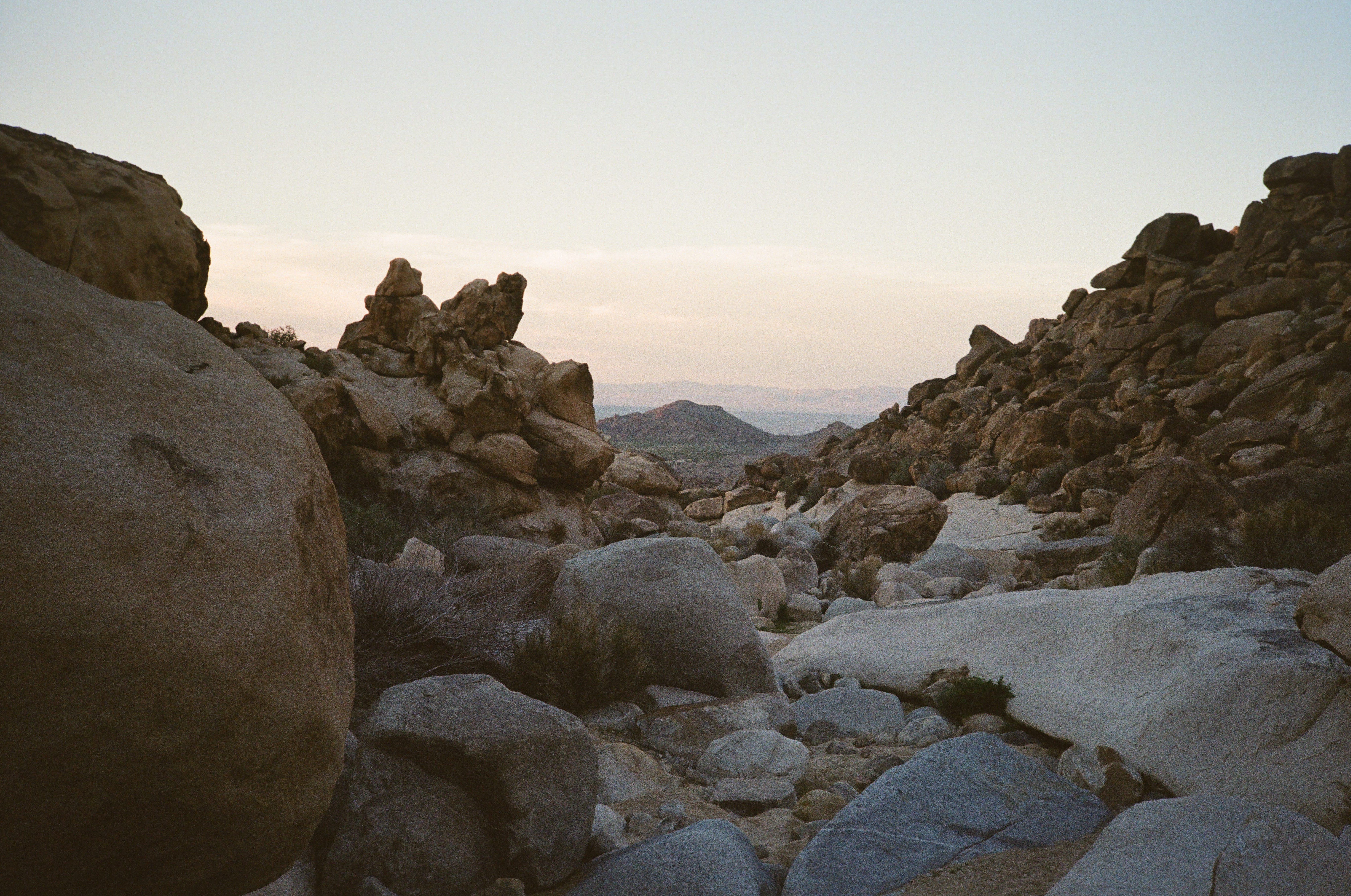
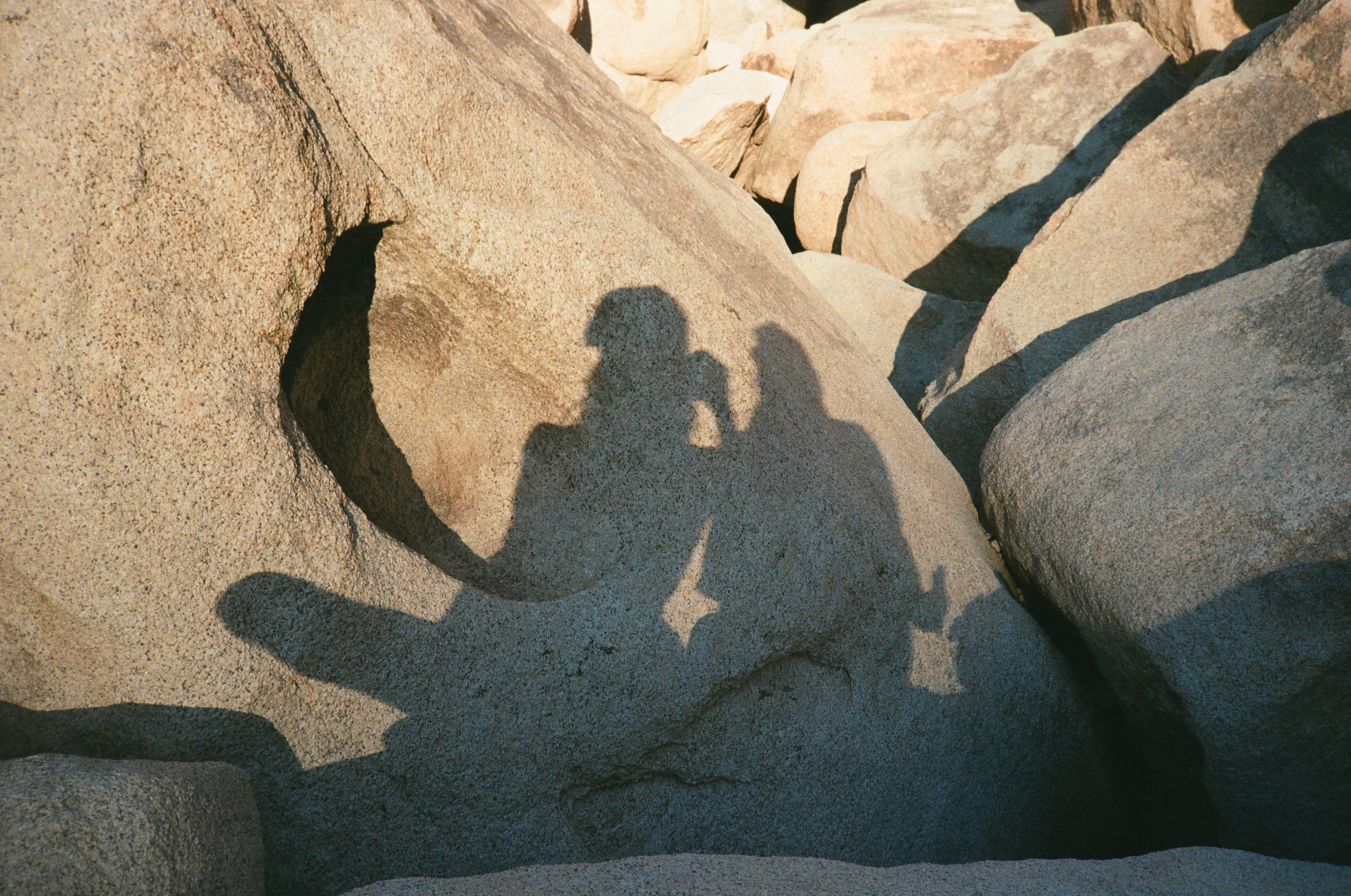
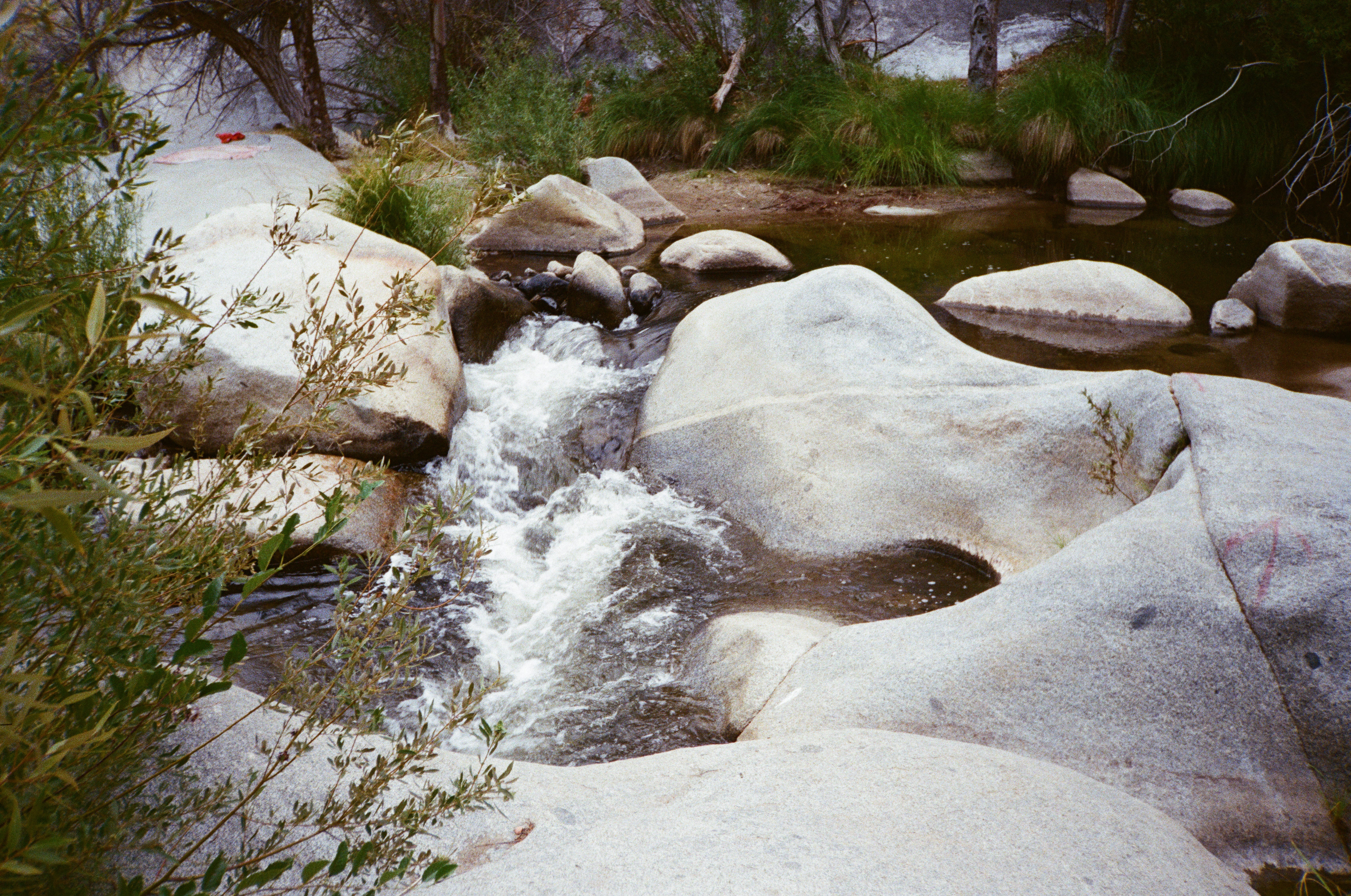
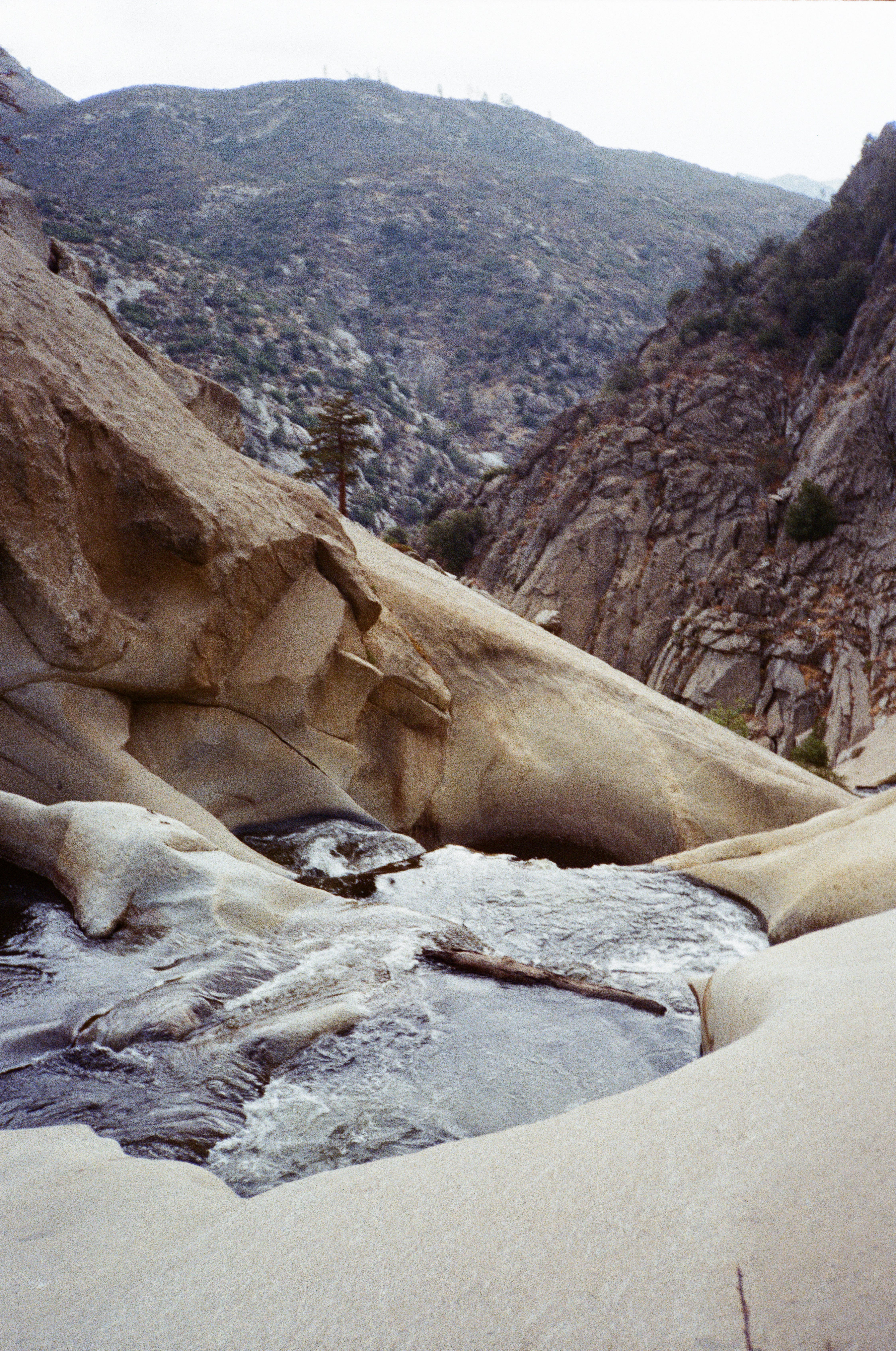

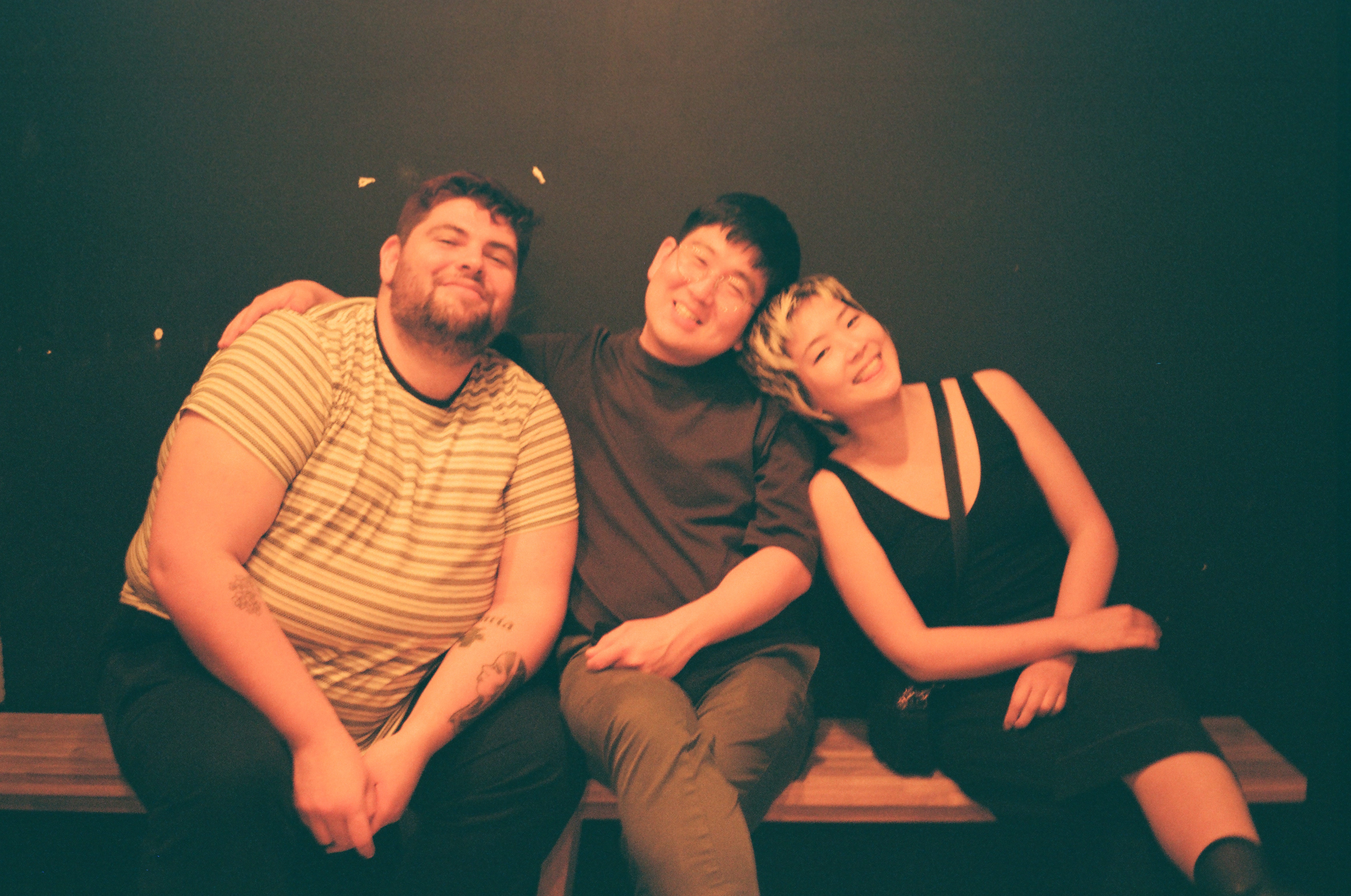
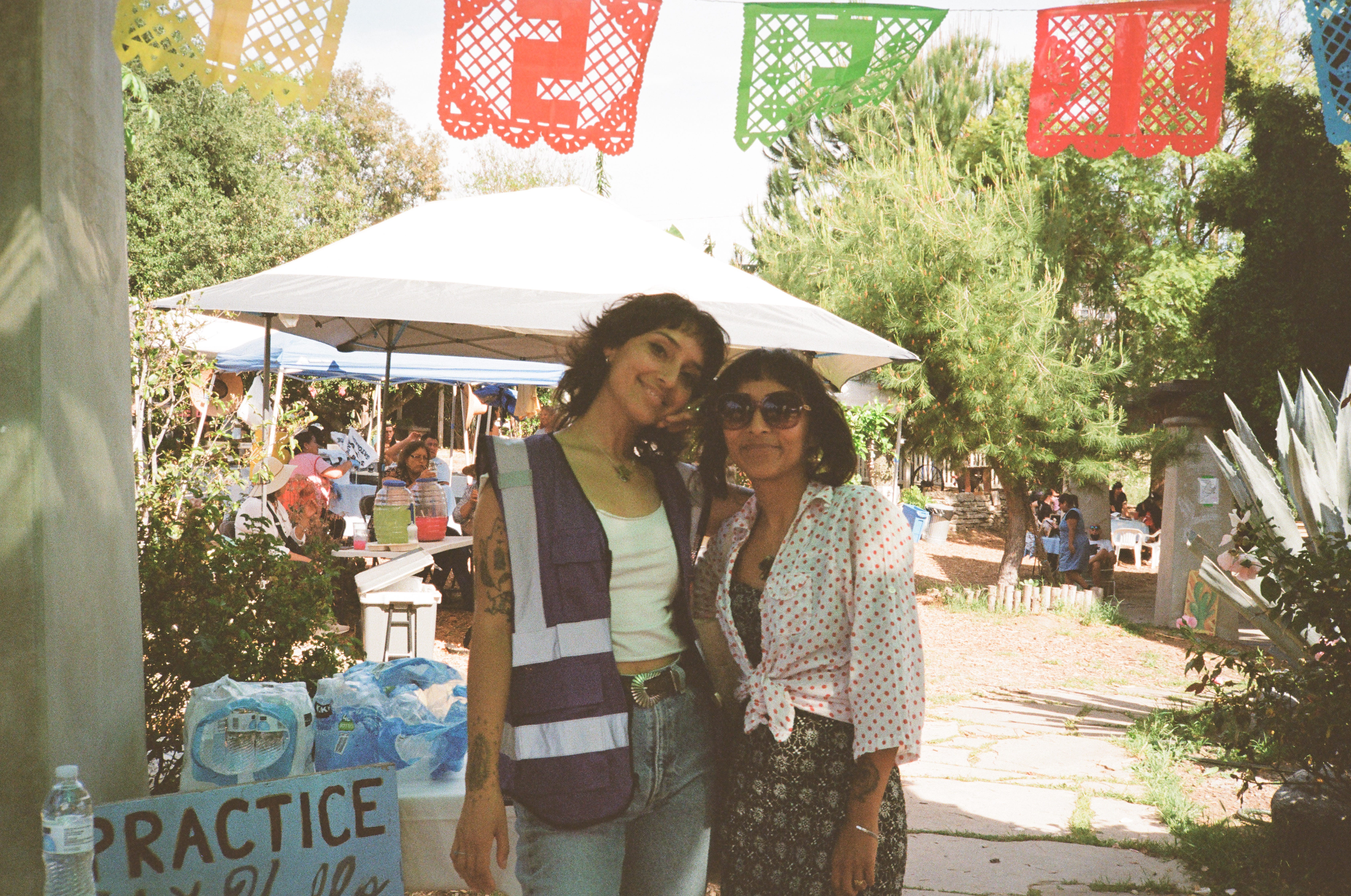
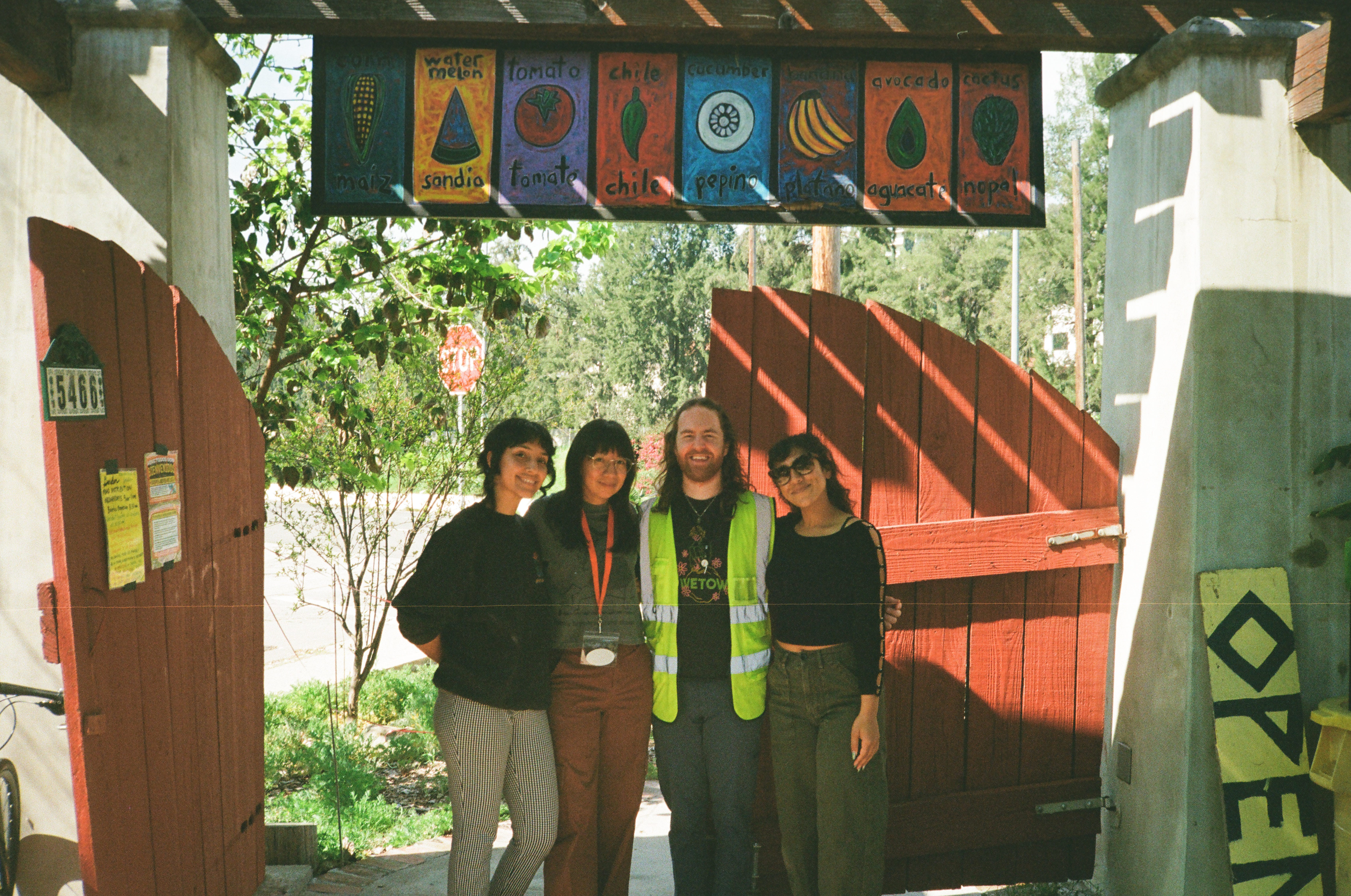
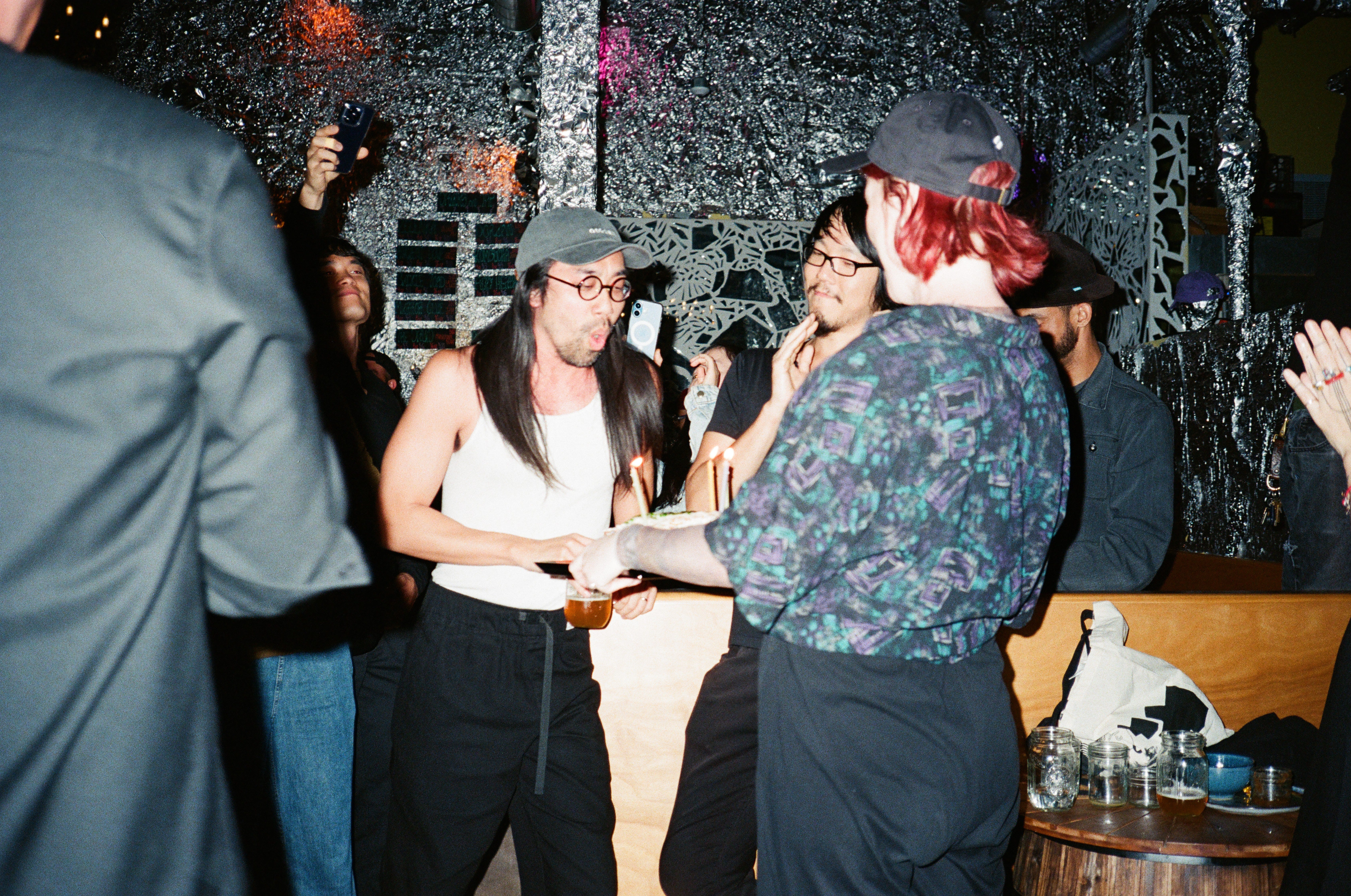
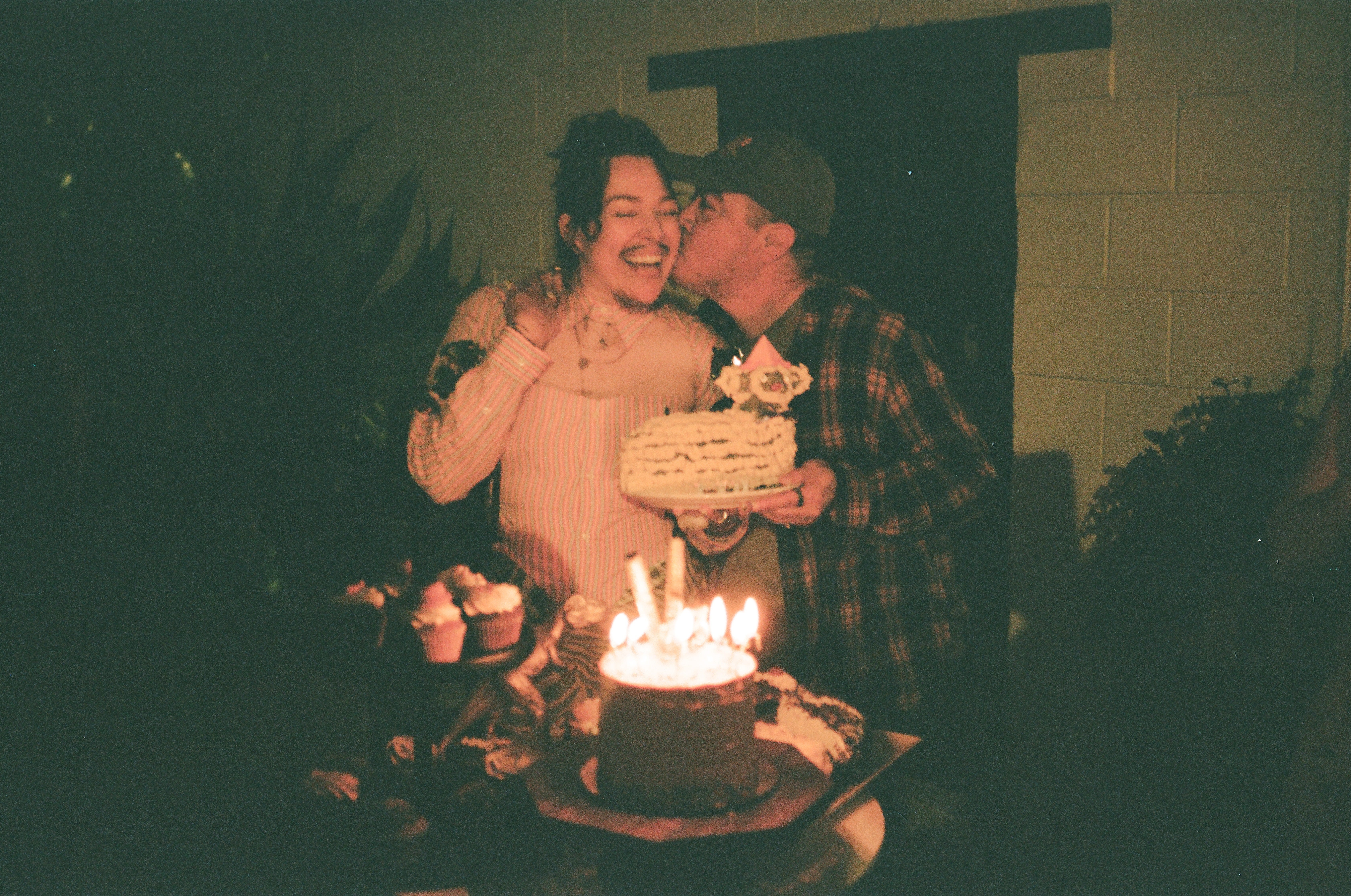
Yesterday, I turned thirty three, in the community garden, alongside the river, up in the mountains. Tonight and tomorrow night, I’m celebrating with people who help me see the person I am and imagine the one I want to become. In the coming year, I want to keep experiencing textures of intimacy this specific and idiosyncratic, comforting and easeful: lounging around with a close friend and her partner on new years morning, hungover because we’ve thrown a rager the night before, up early to make egg and cheese scallion pancake breakfast sandwiches for all three of us, before biking the four minutes over to their house to crawl back into bed with them, eat breakfast together, laugh and gossip through our fragmented memories of the night, before getting up to recycle all the cans, mop the kitchen floors and detritus strewn across the living room turned dance floor, pick up the pieces.
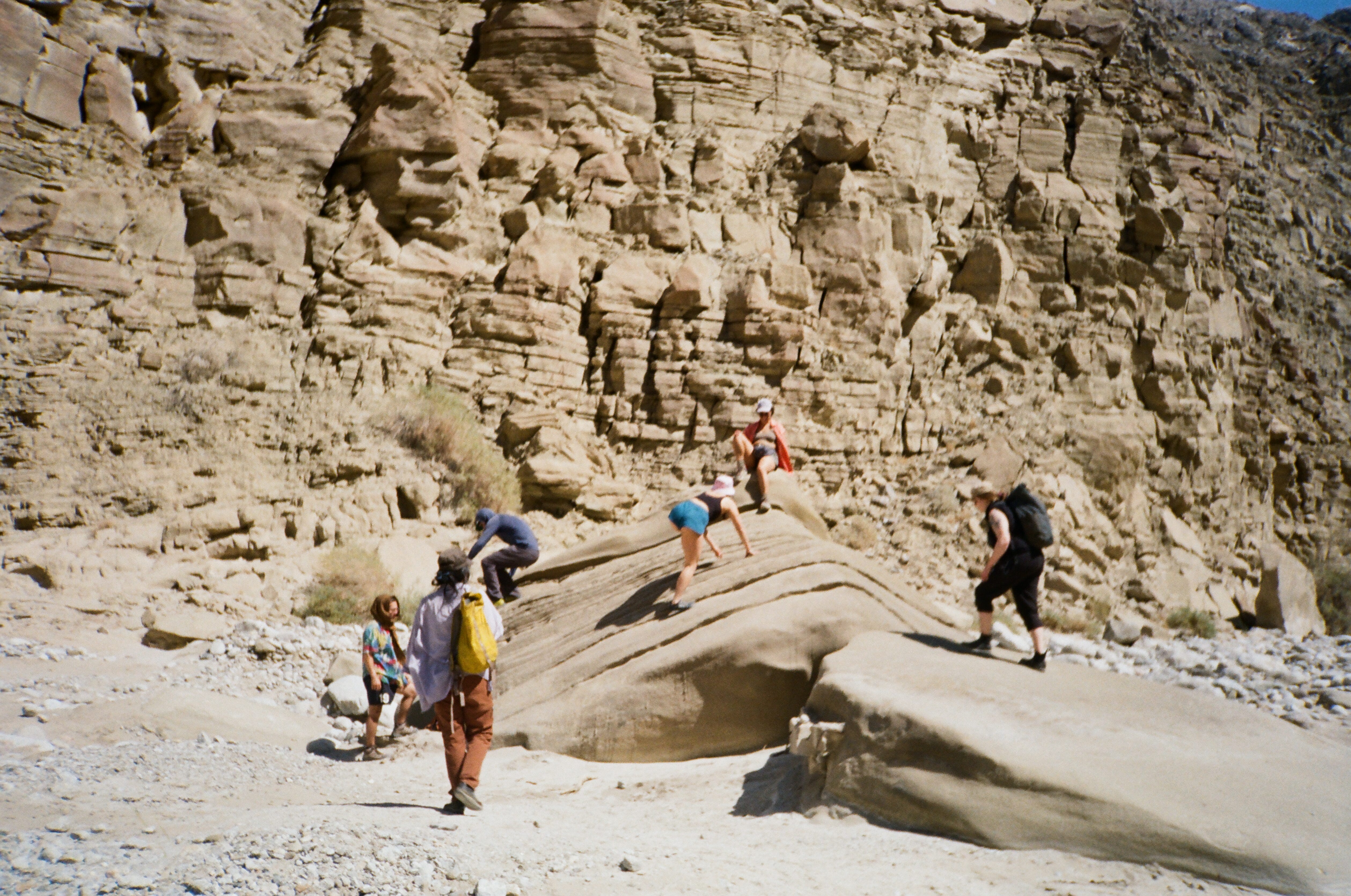
Since I started writing these newsletter essays on lunar new year ’22, the initials bank, as I call it in my head, has anonymously but consistently traced the people who move across, into, out of, and through my life. The collection of initials has grown maybe sevenfold in that time, but every designation within my arbitrary little system describing the people in my orbit has remained neurotically consistent across every map, every essay. If I refer to you each as “a node in the constellation,” that makes each one of you stars—“so don’t forget, you are stardust!” per the idiomatic palm reader in Linklater’s Before Sunrise. See you soon on the banks of the river, biking the streets of los angeles, supporting our local street vendors, at a clothing swap reclaiming public space, out to a watering hole in the mountains, or climbing some rocks in the desert. And if you draw a constellation cartography mapping the stars in your orbit and feel inclined to share, please send it my way! I’d love to pull together this collection of constellations in a collaborative, galaxy-brained collage.
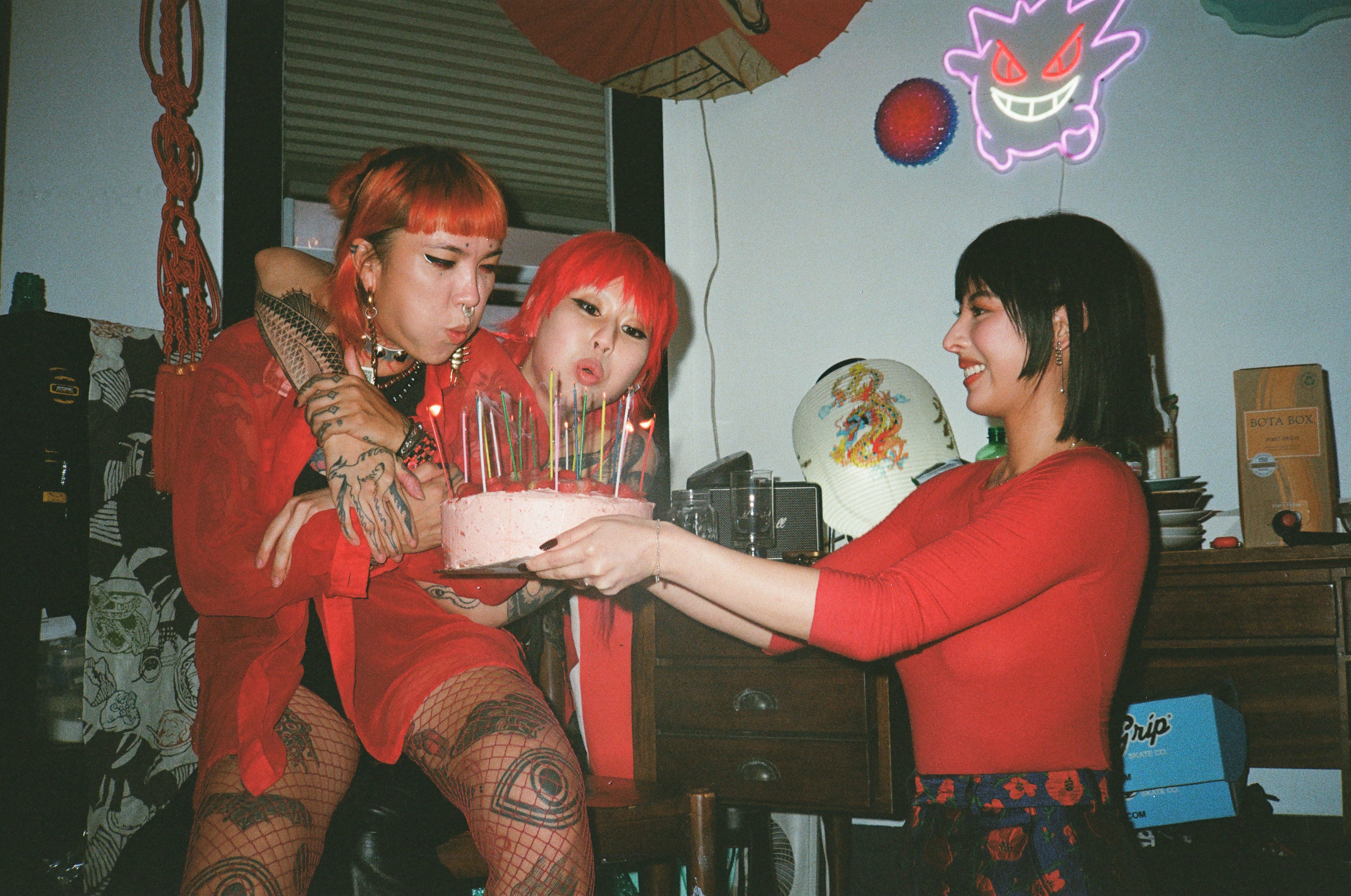
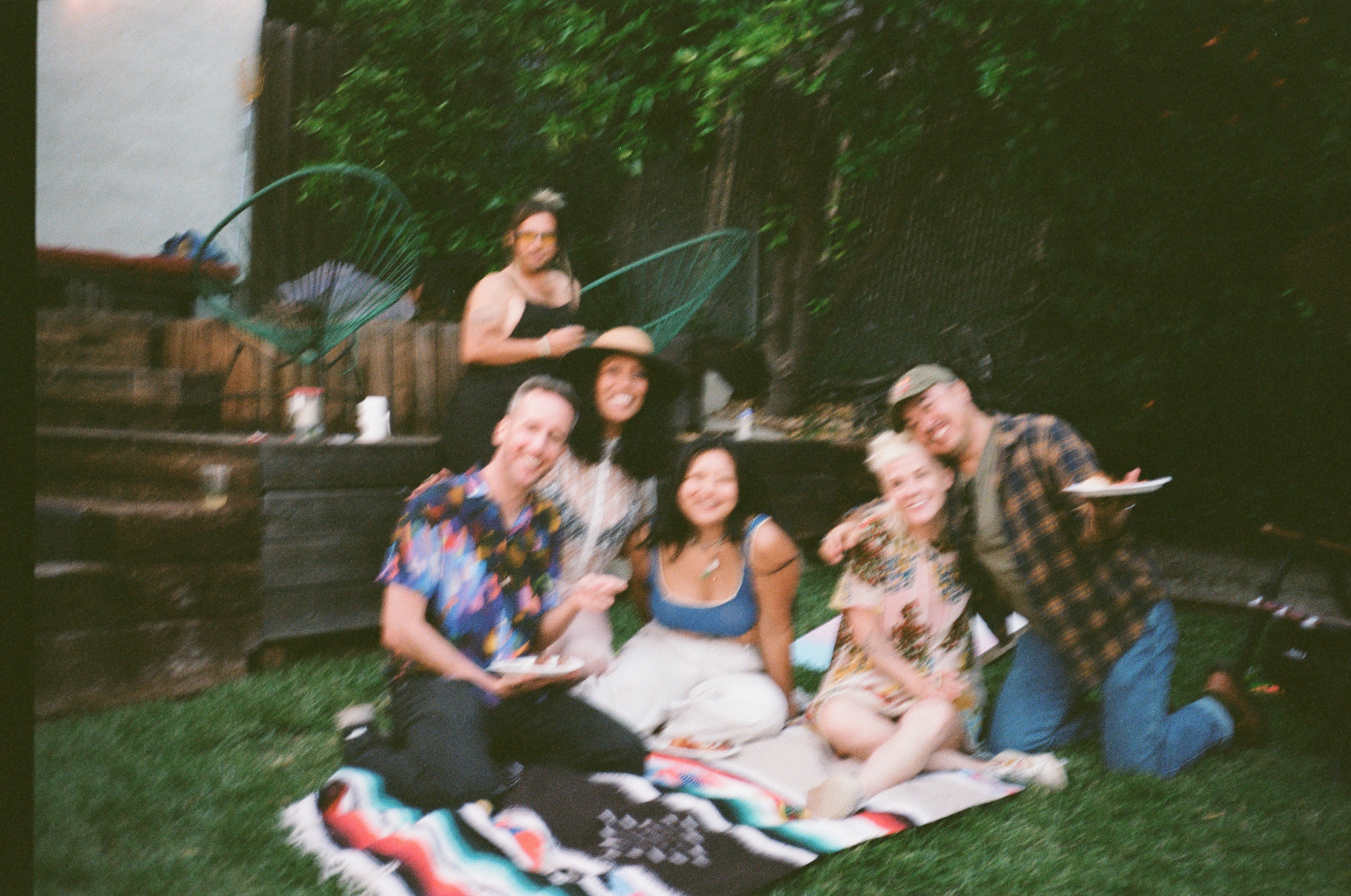
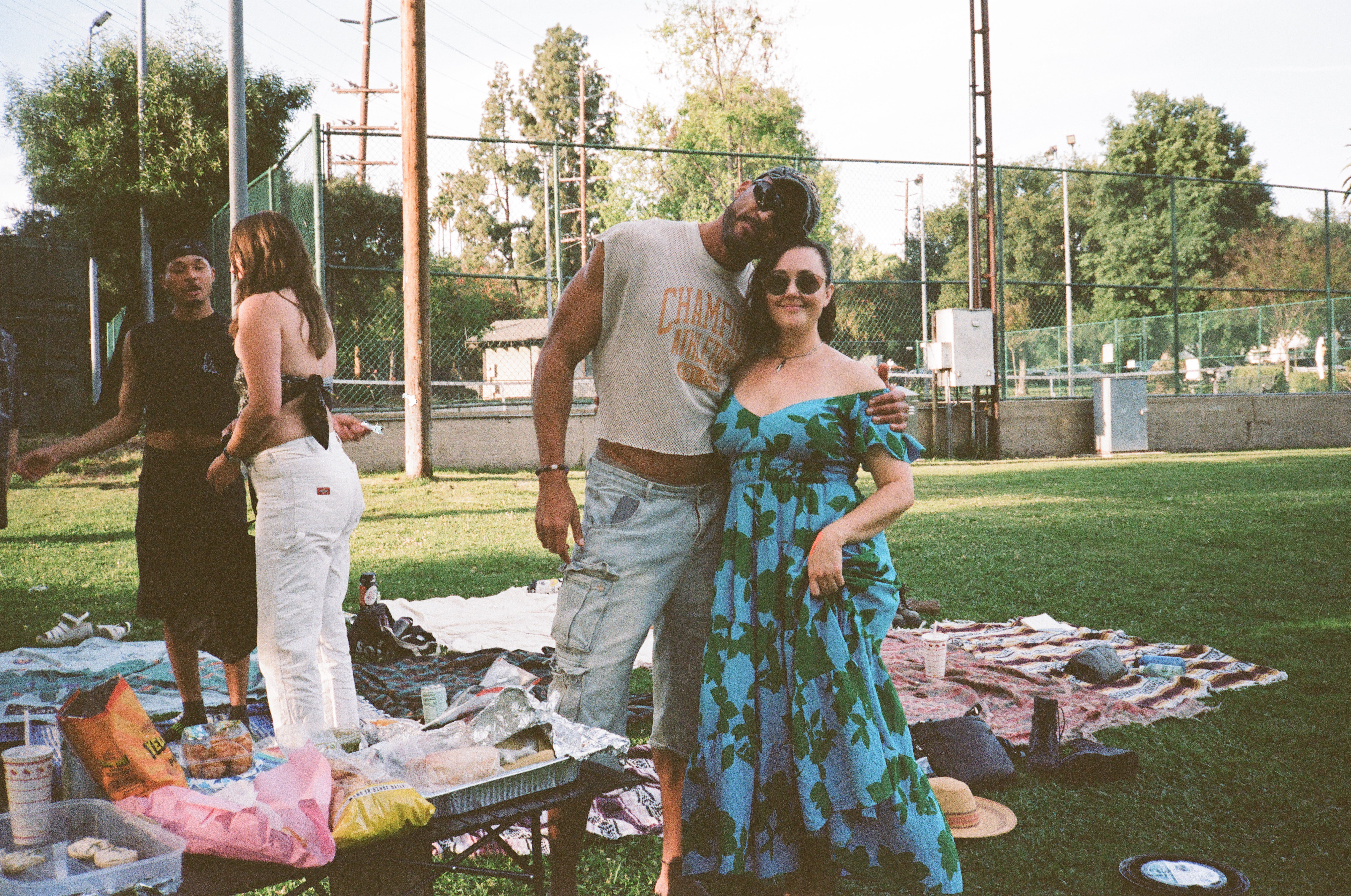
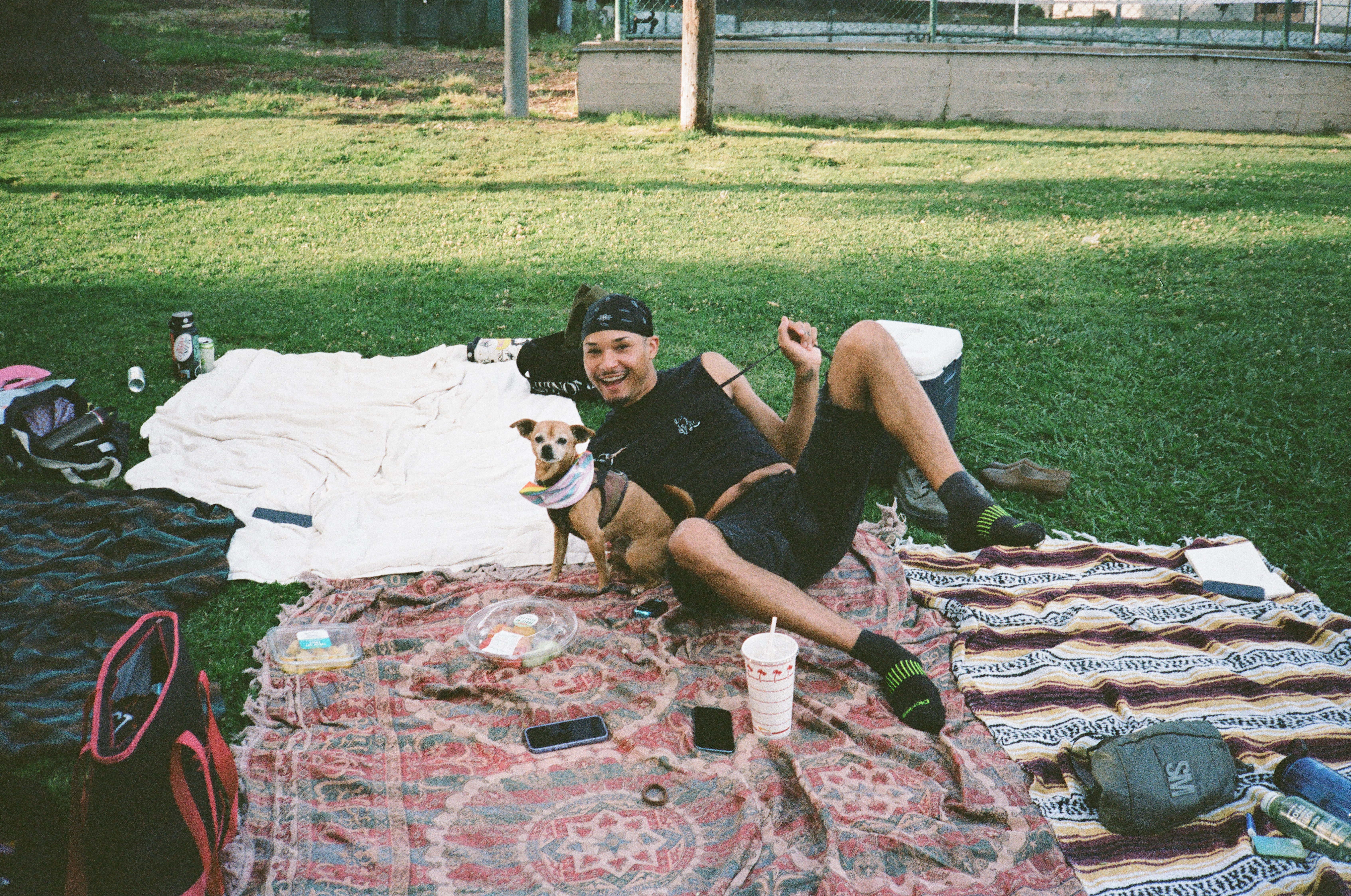
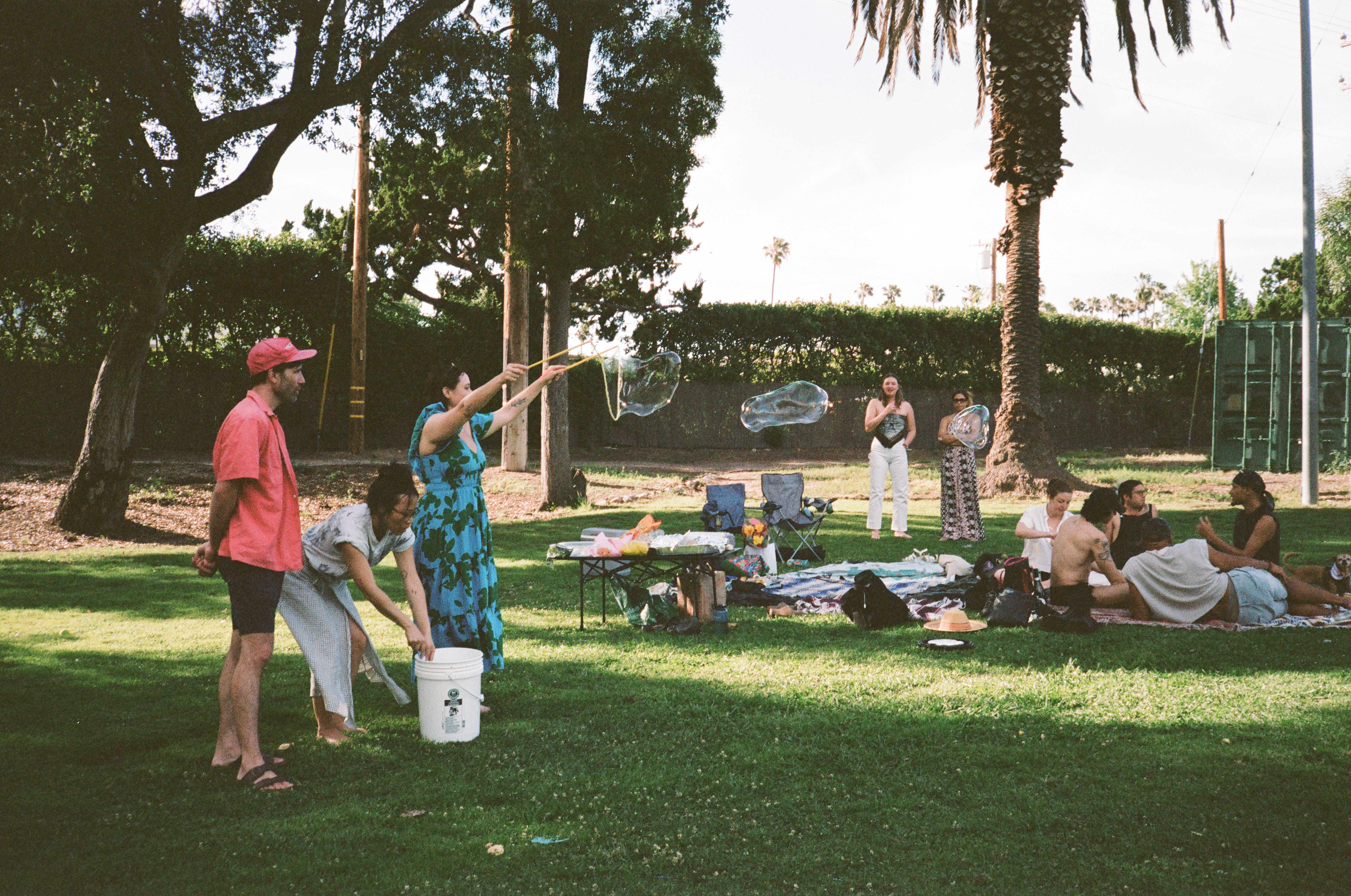
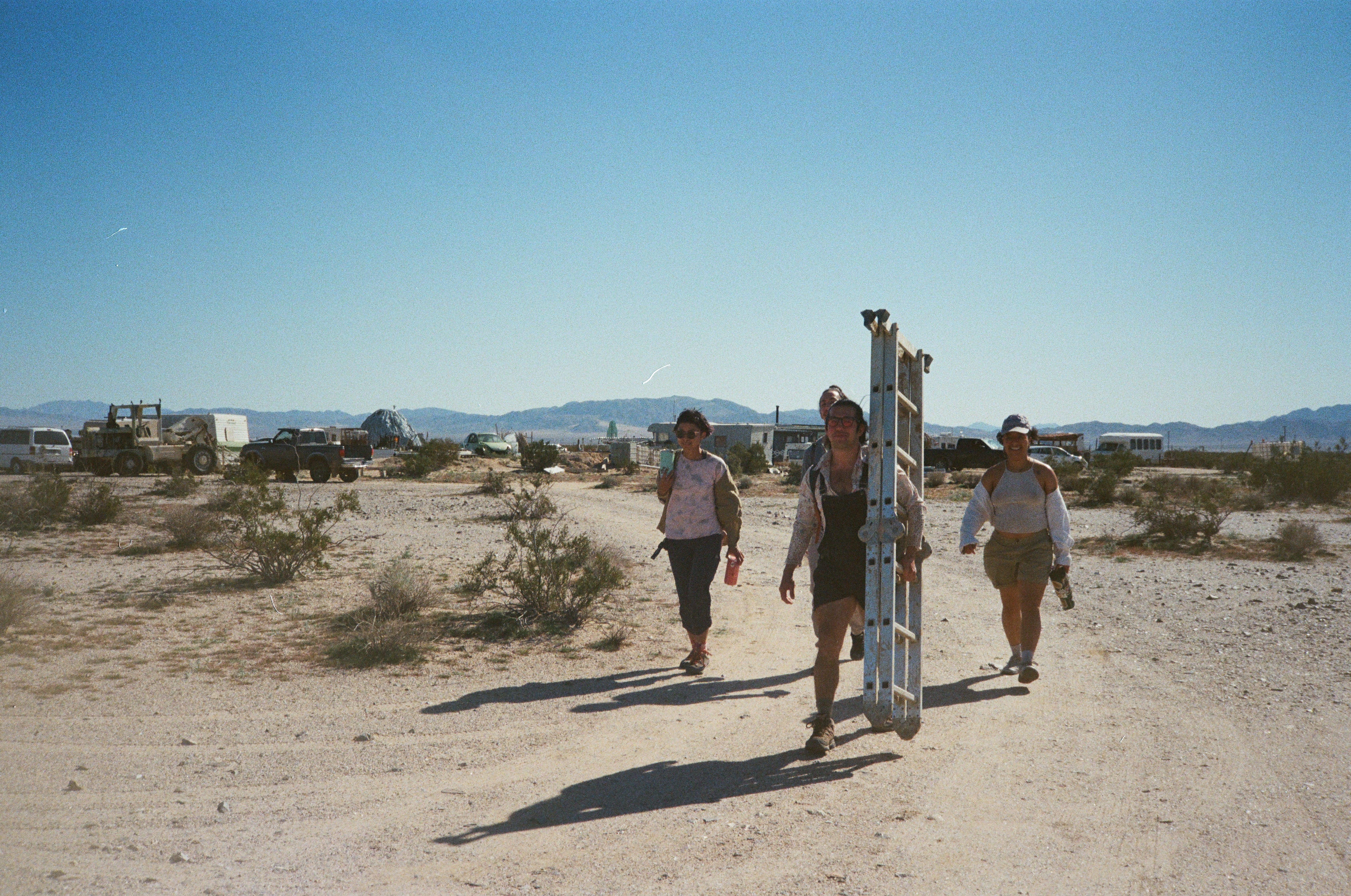
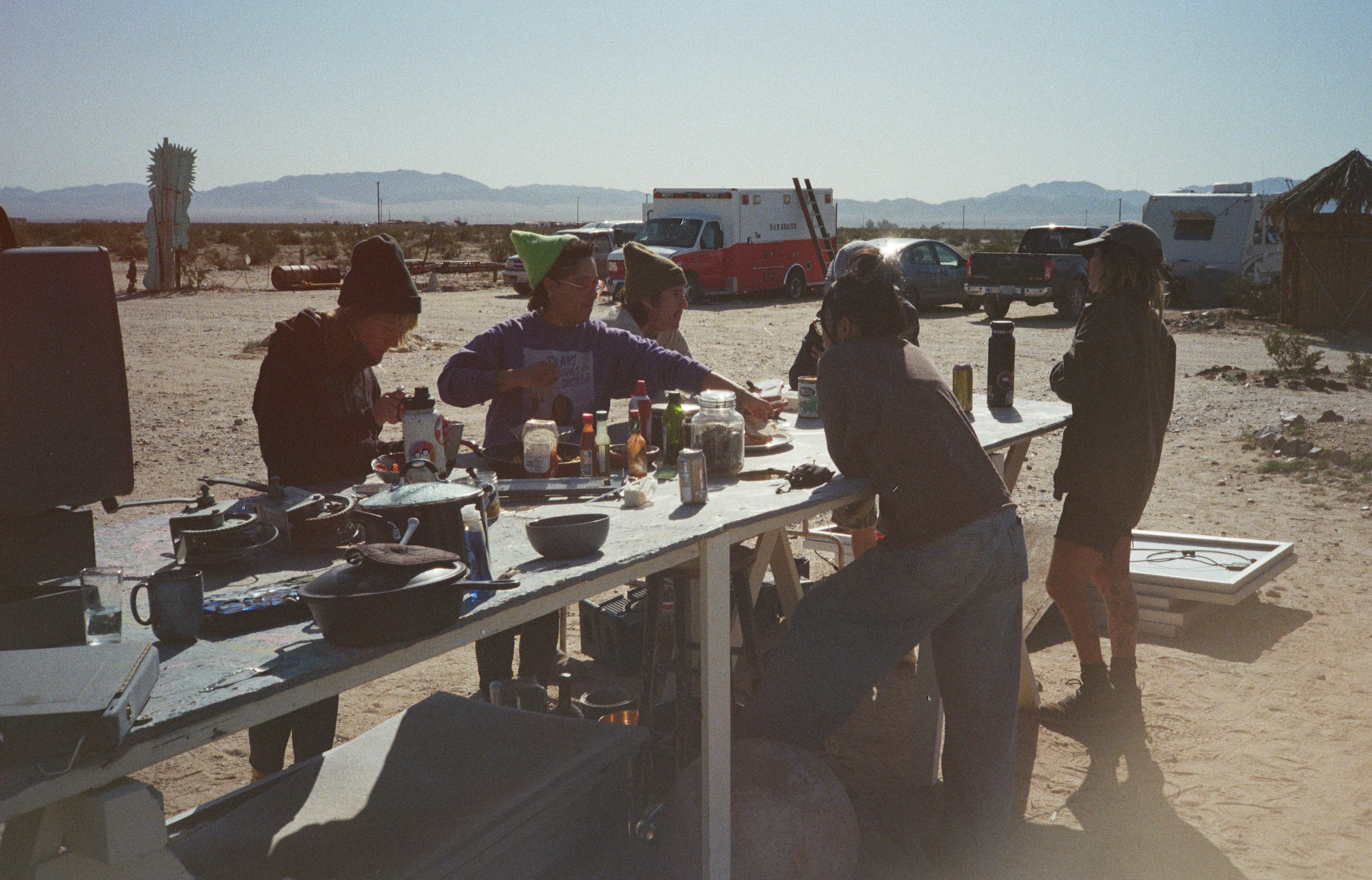
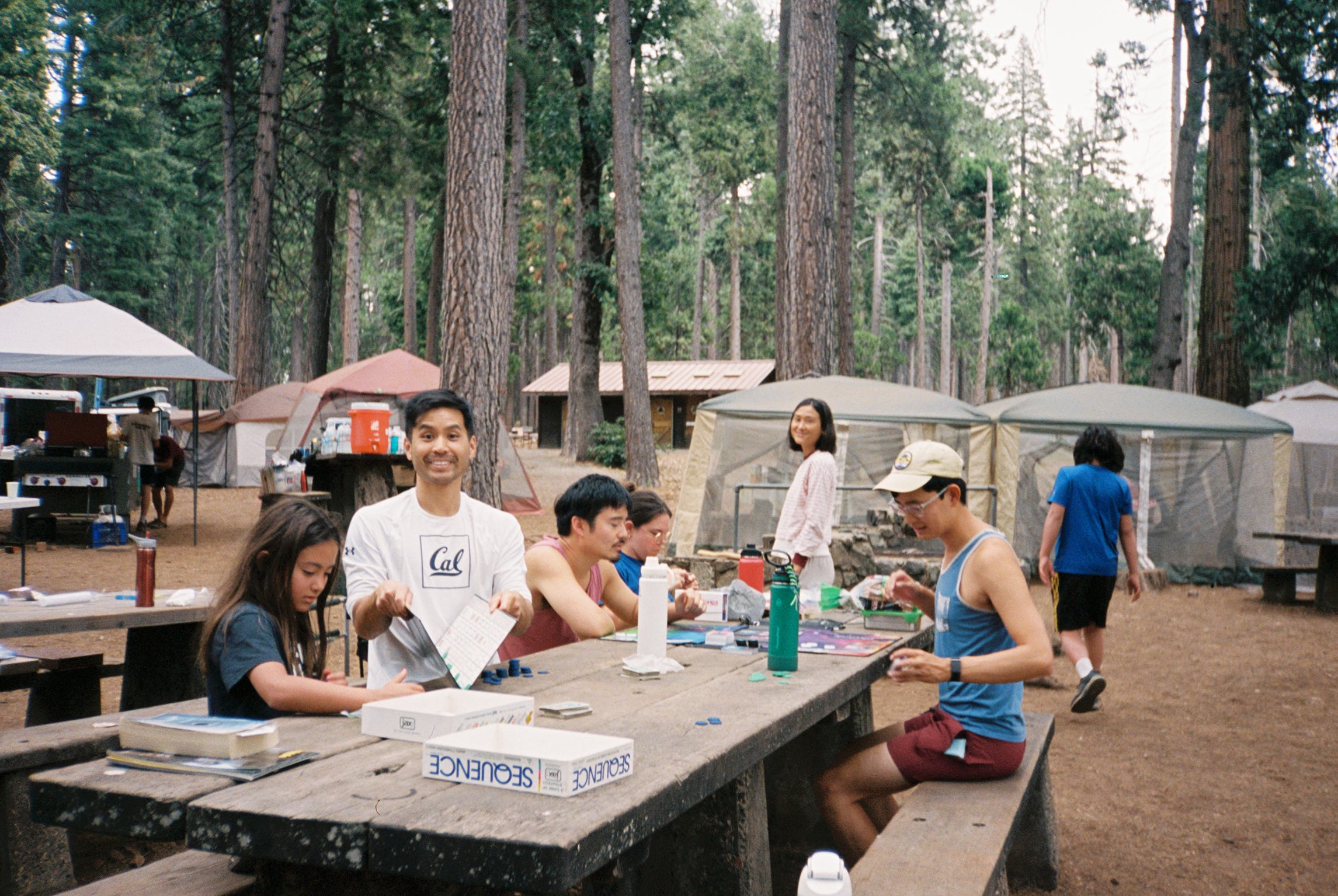
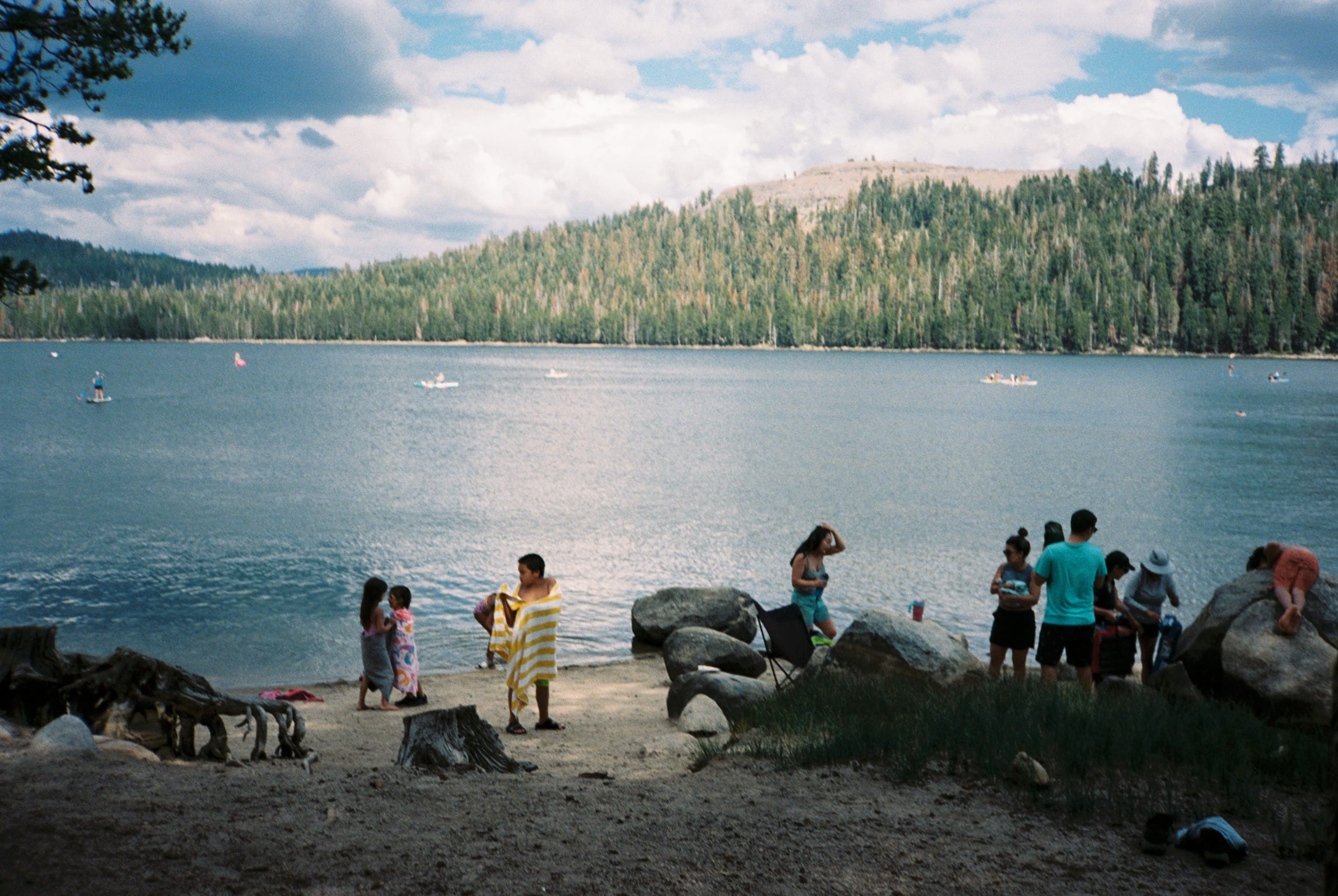
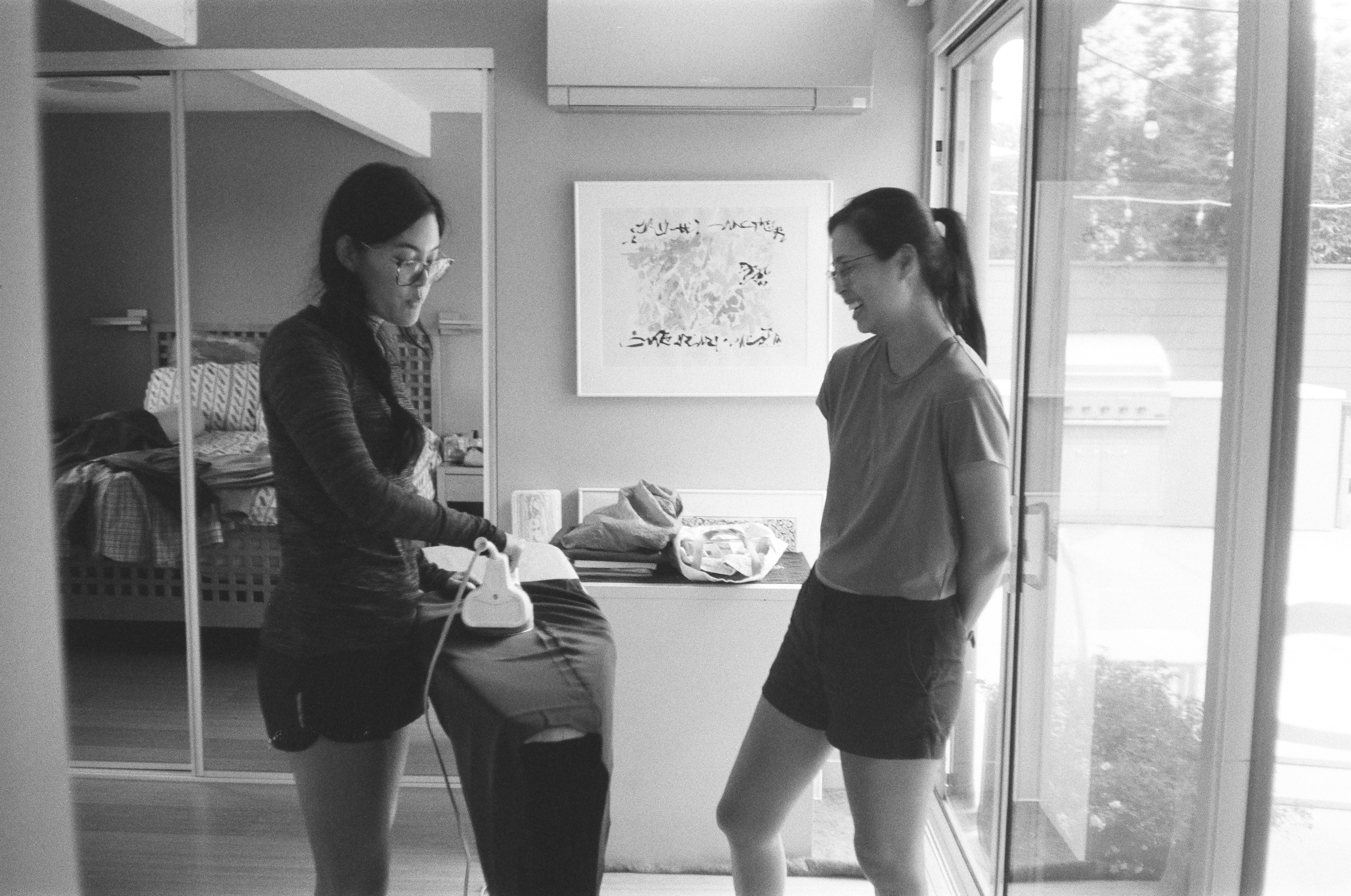
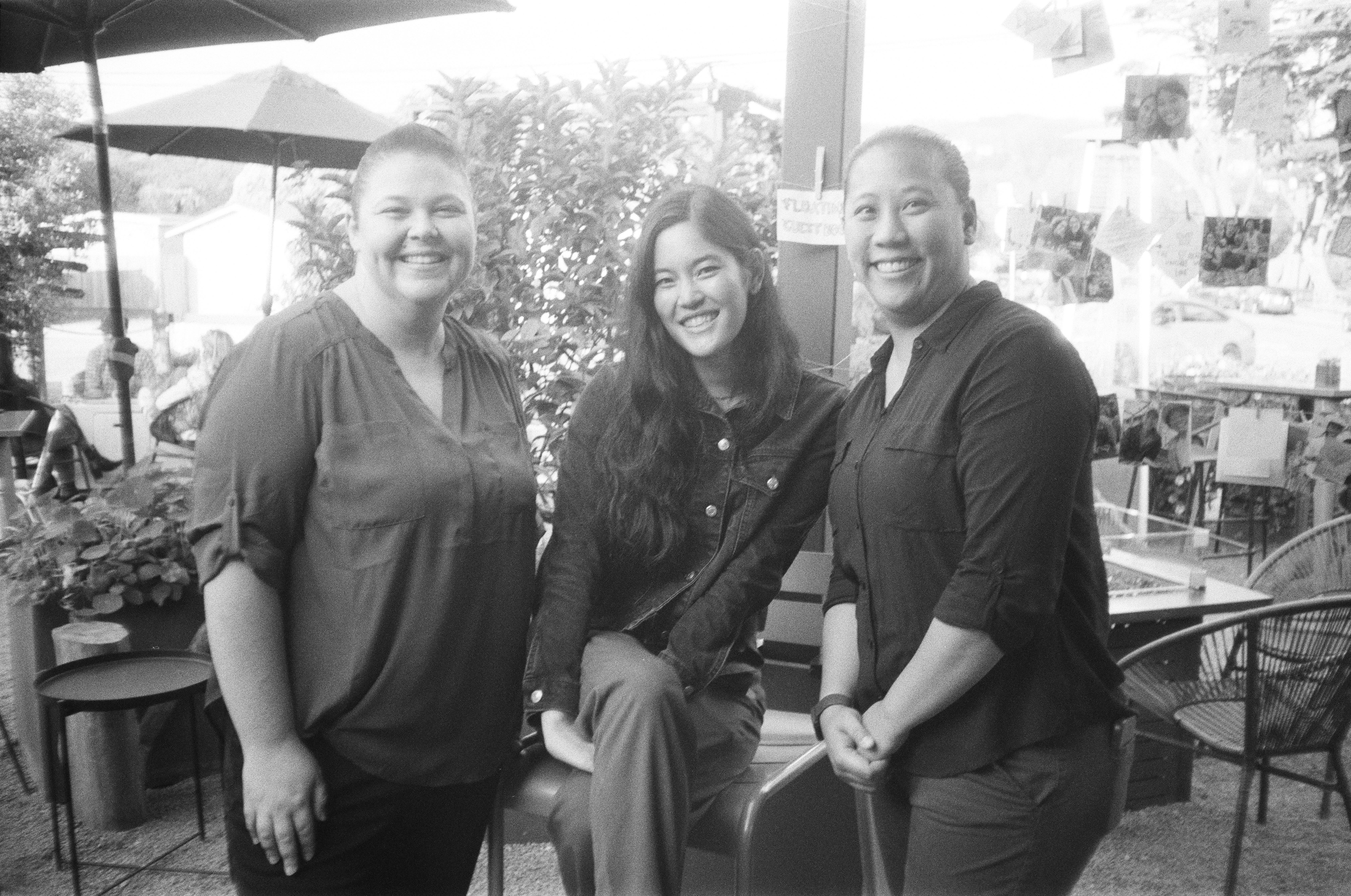
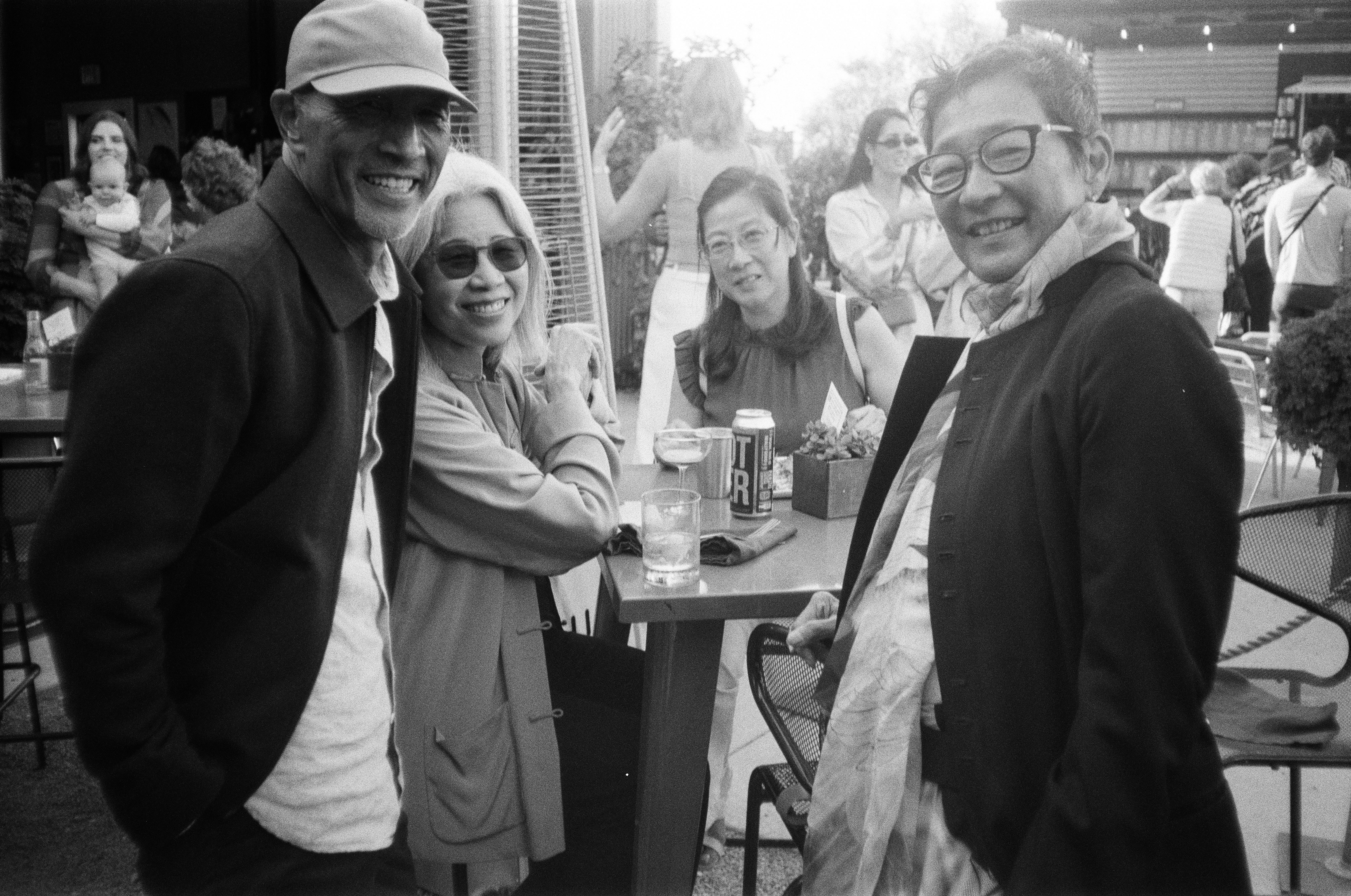
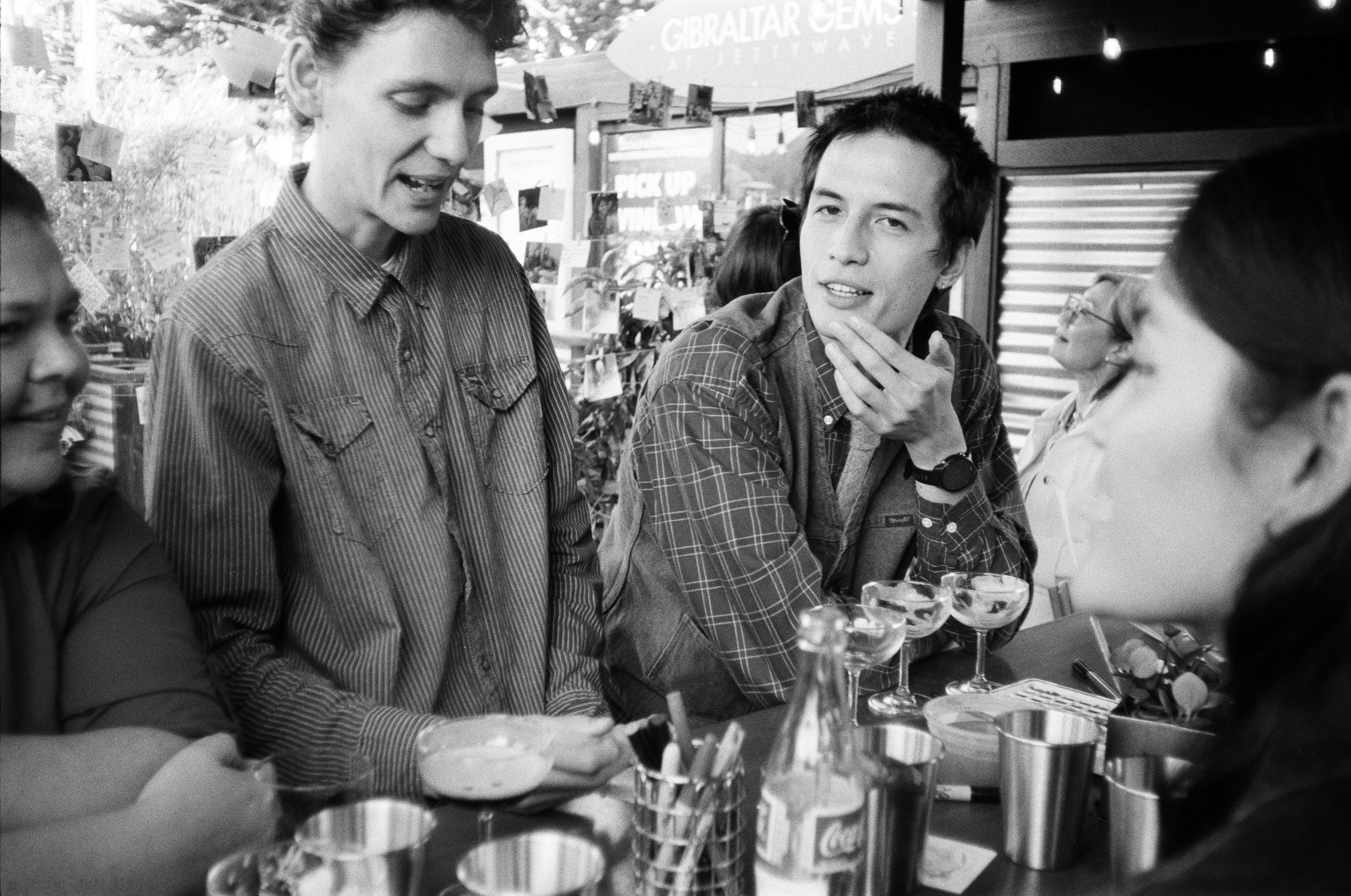
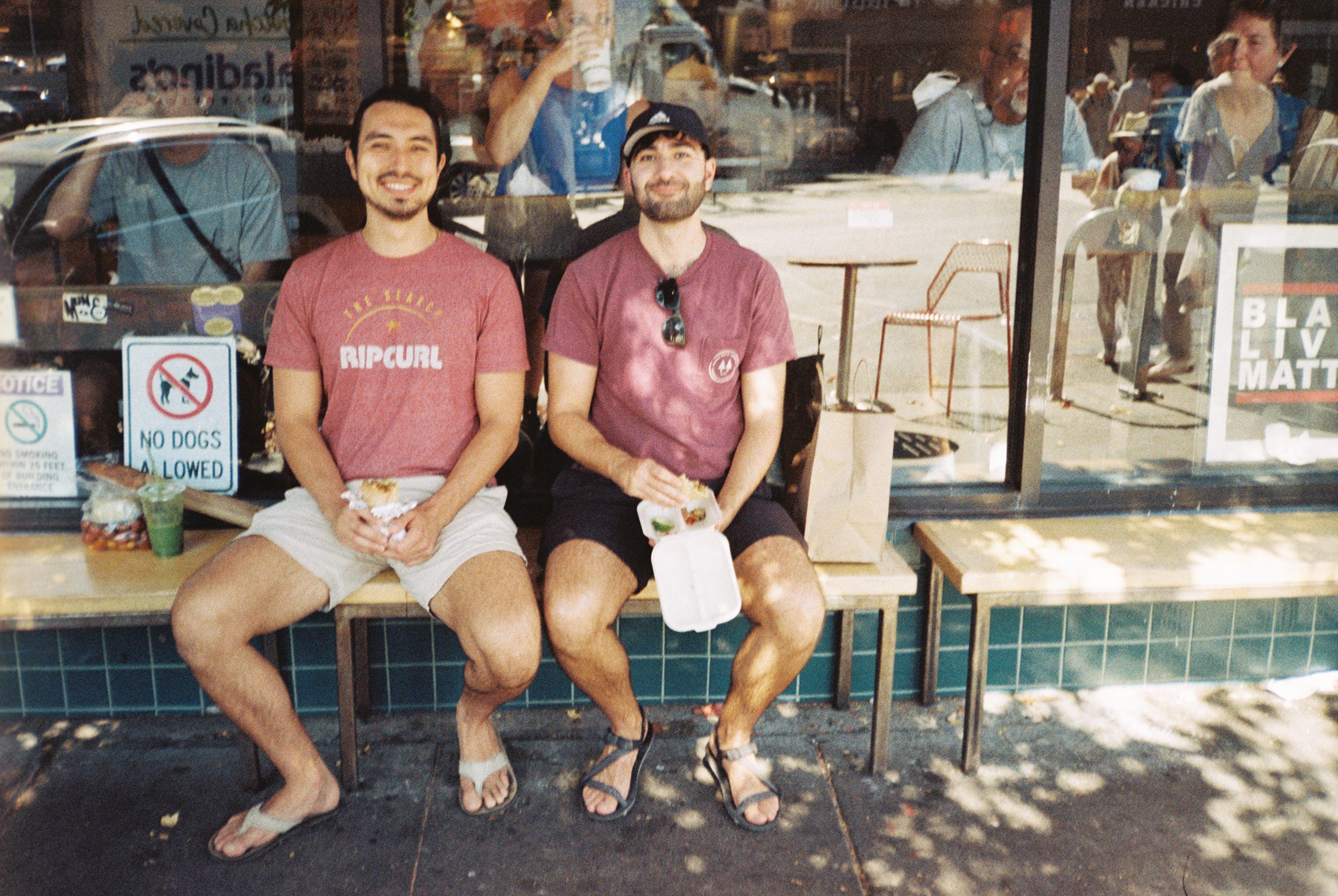
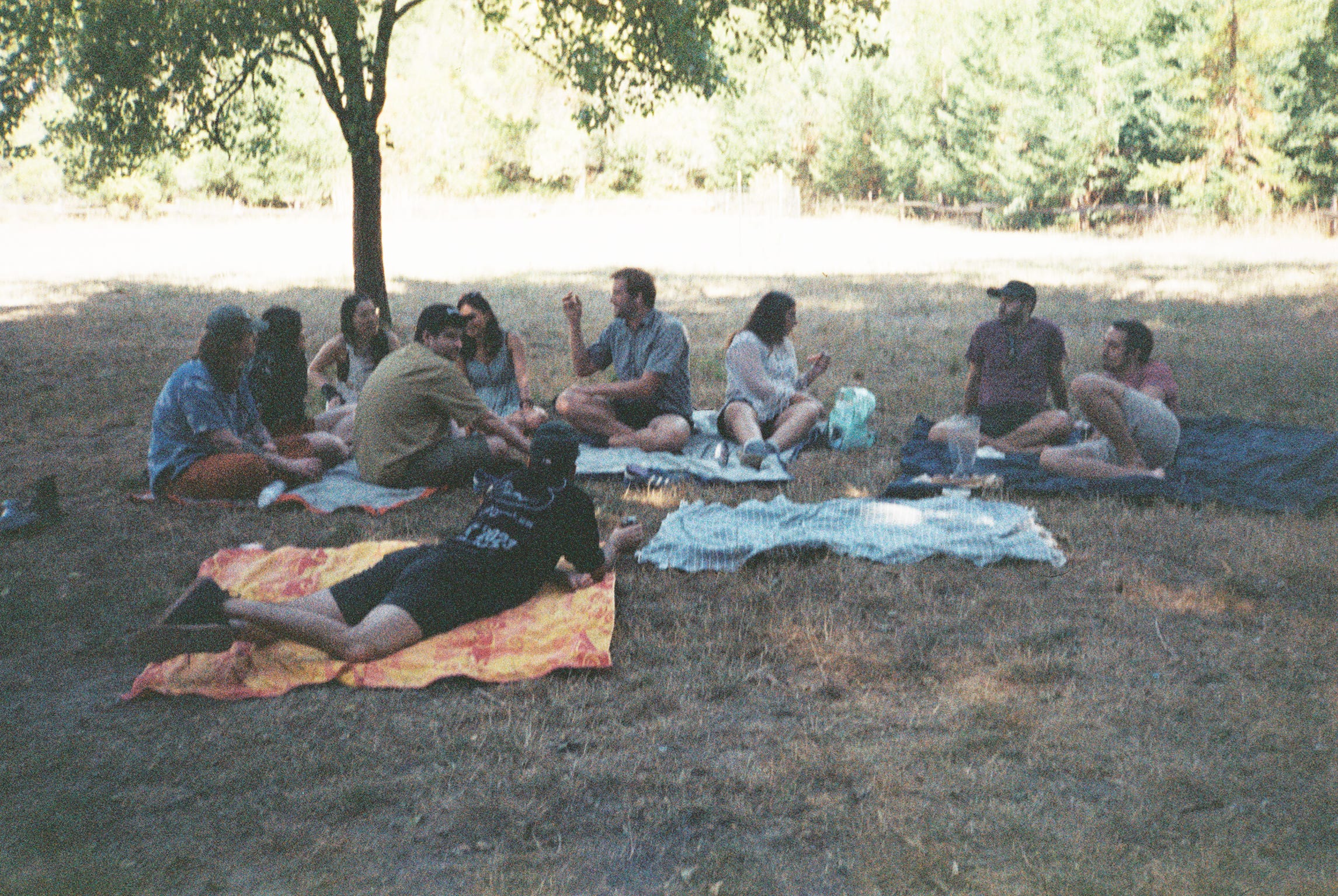
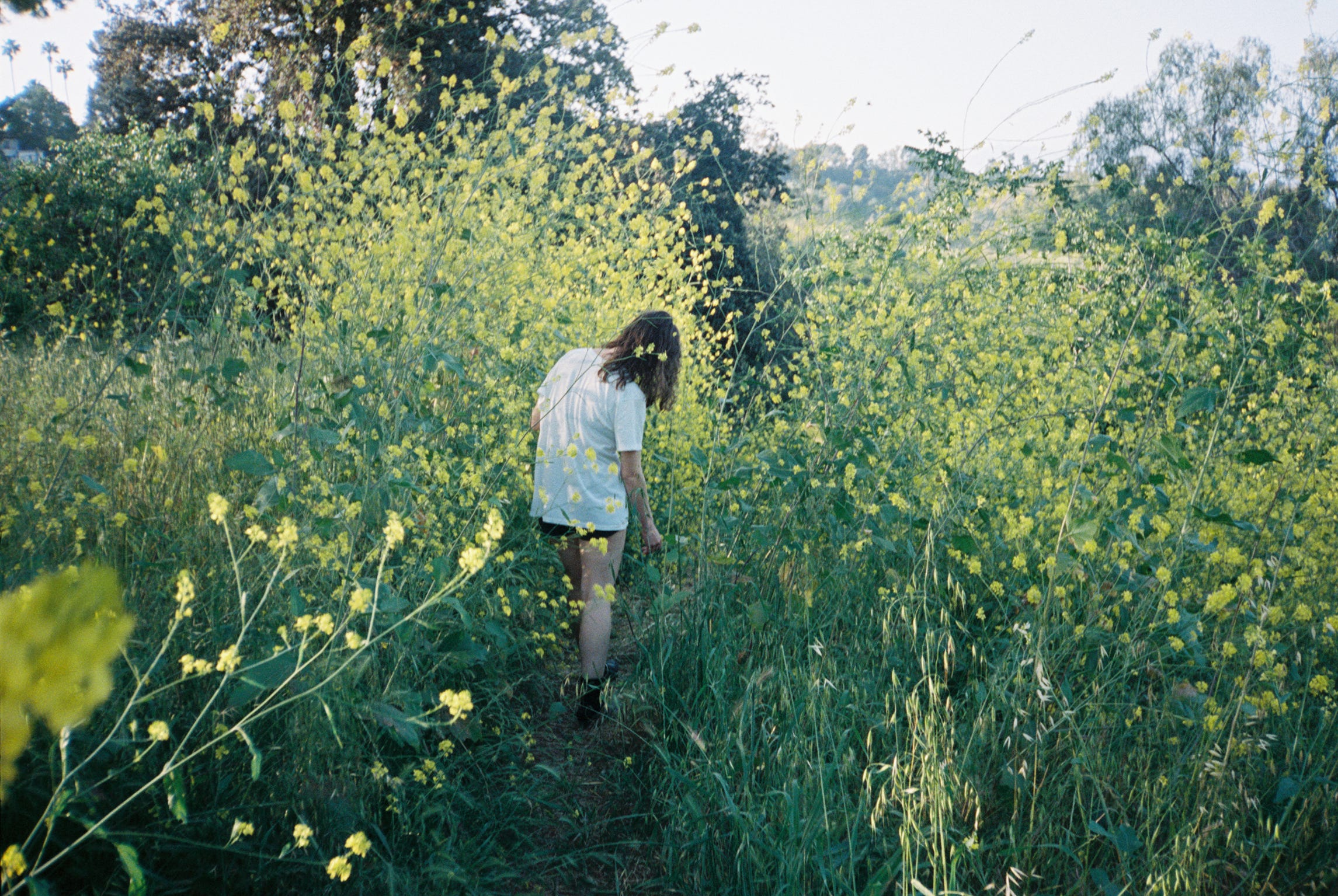
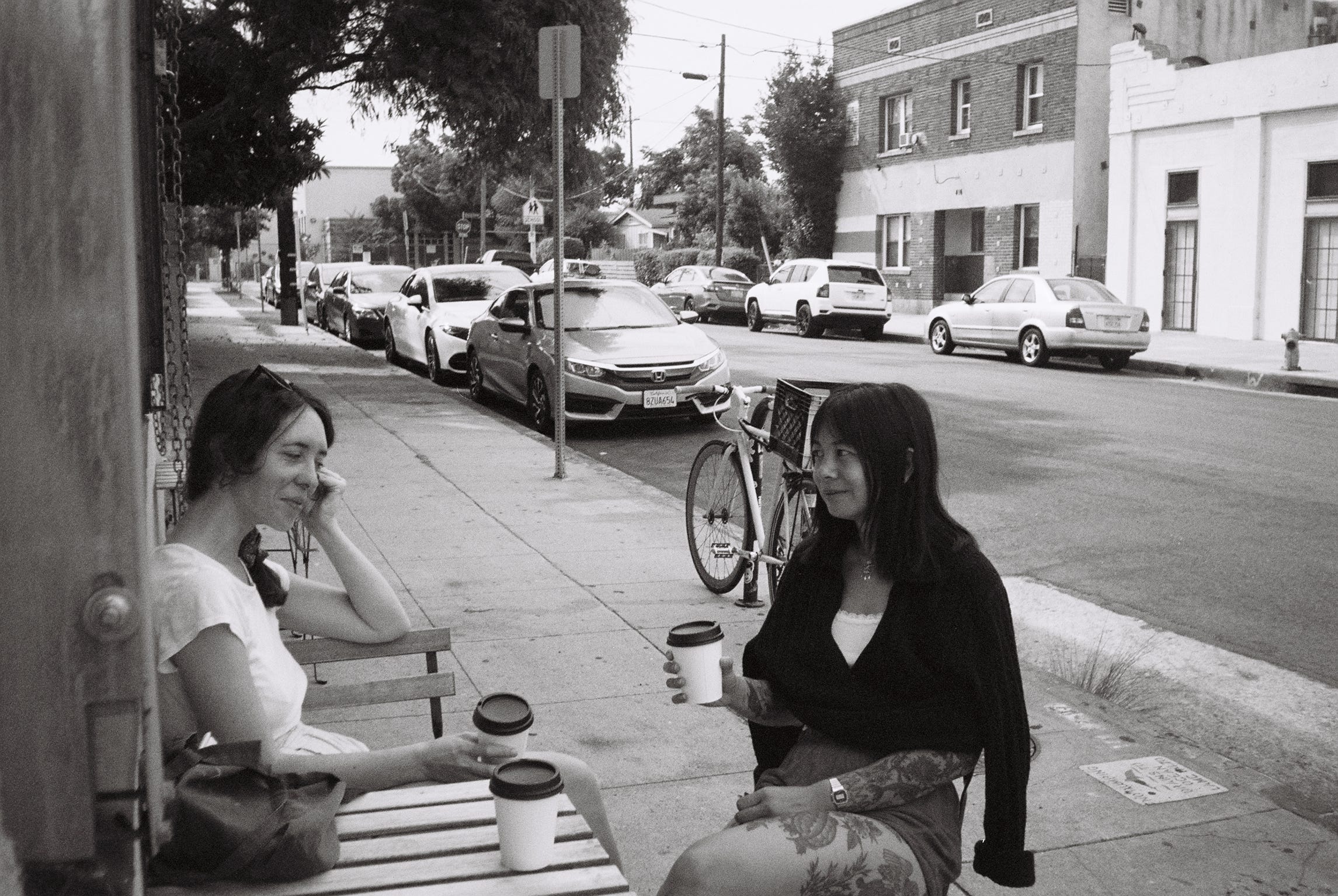
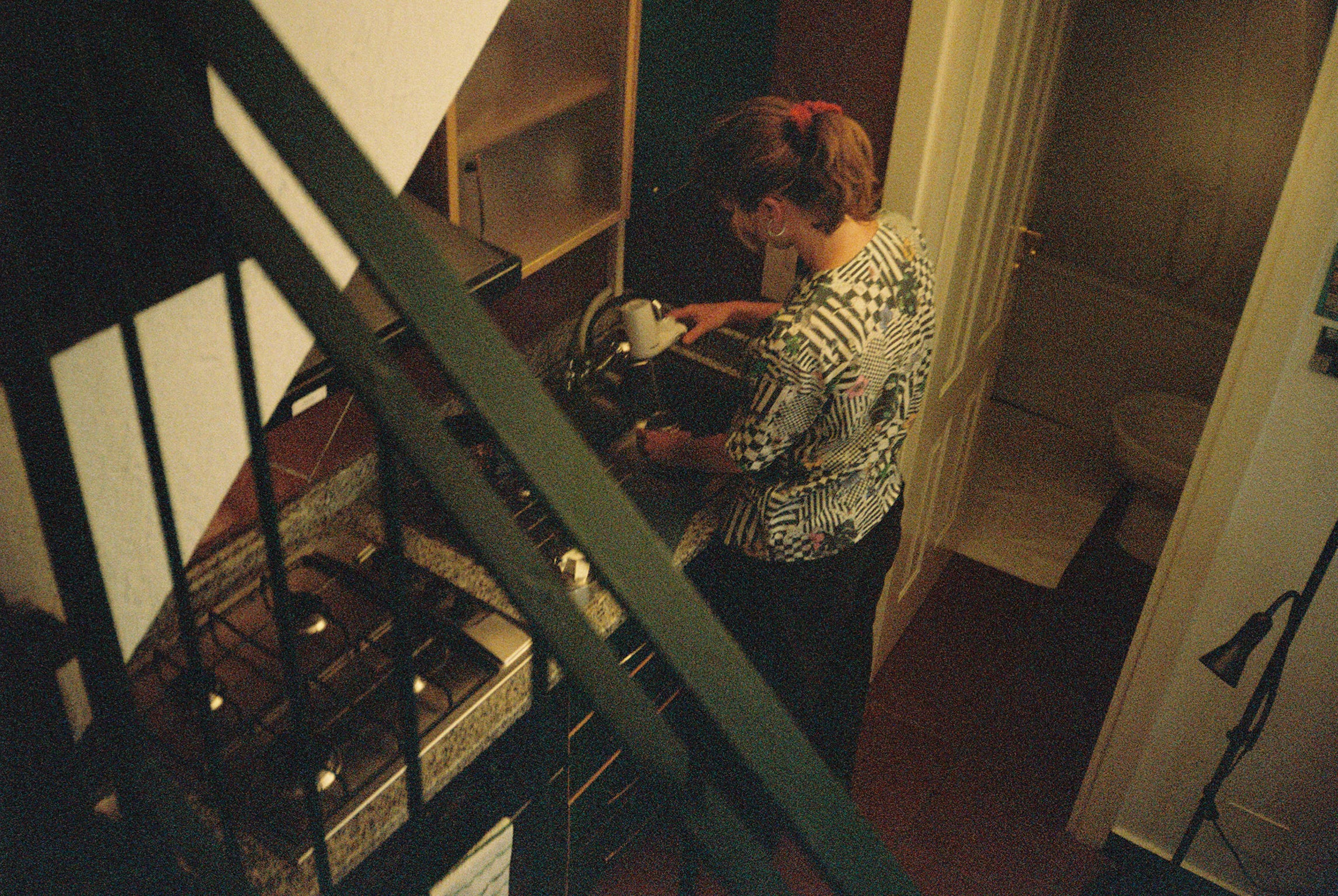
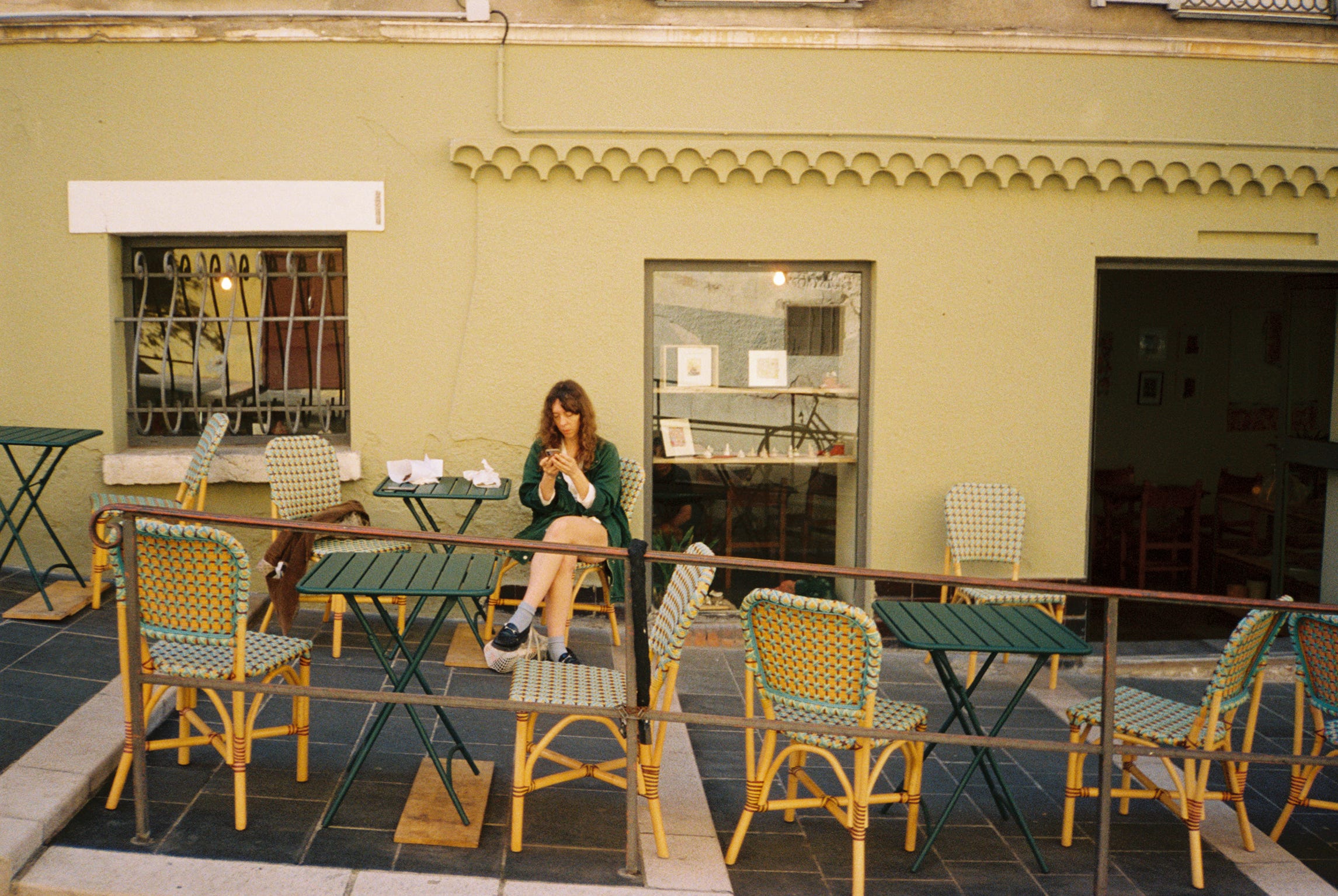
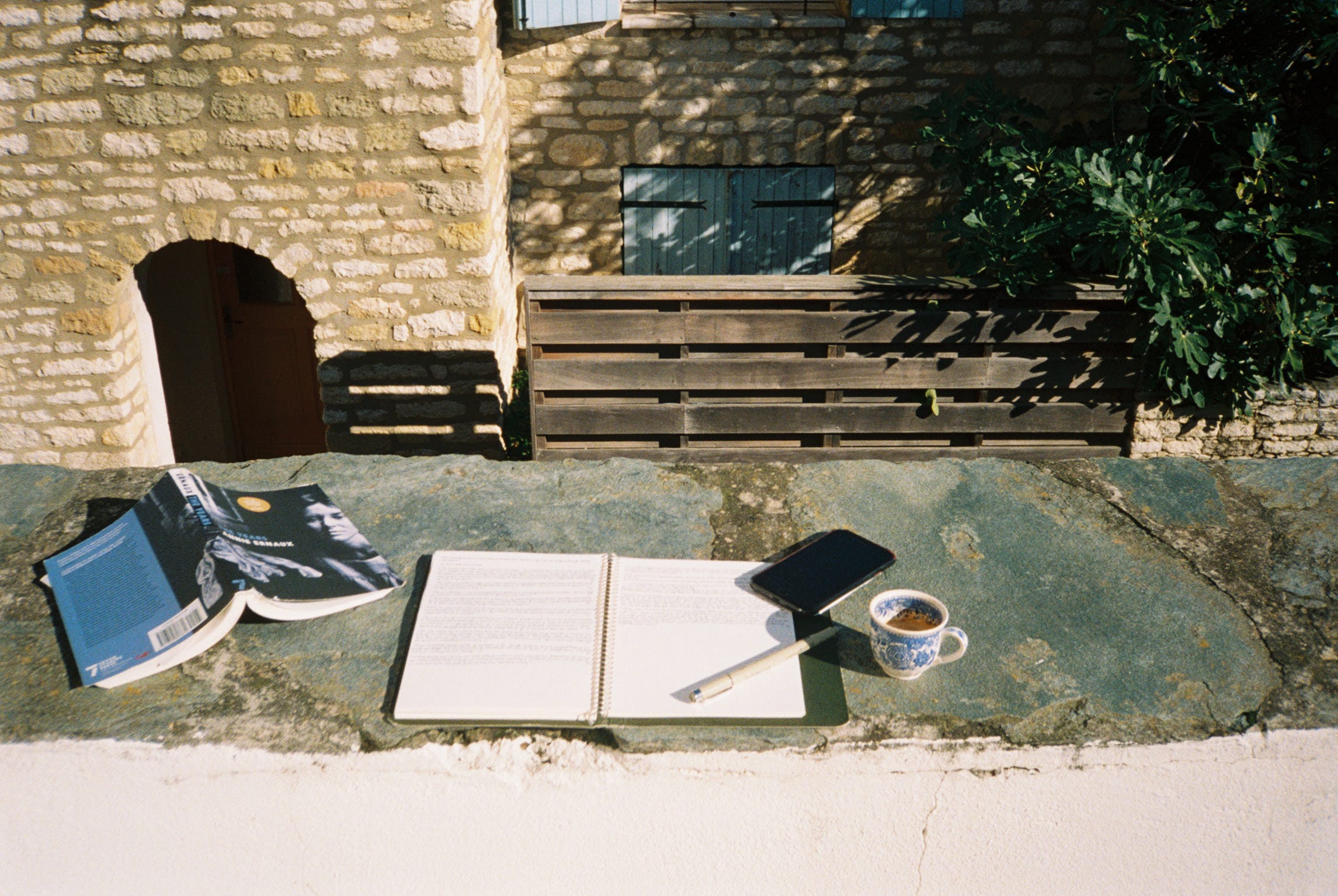

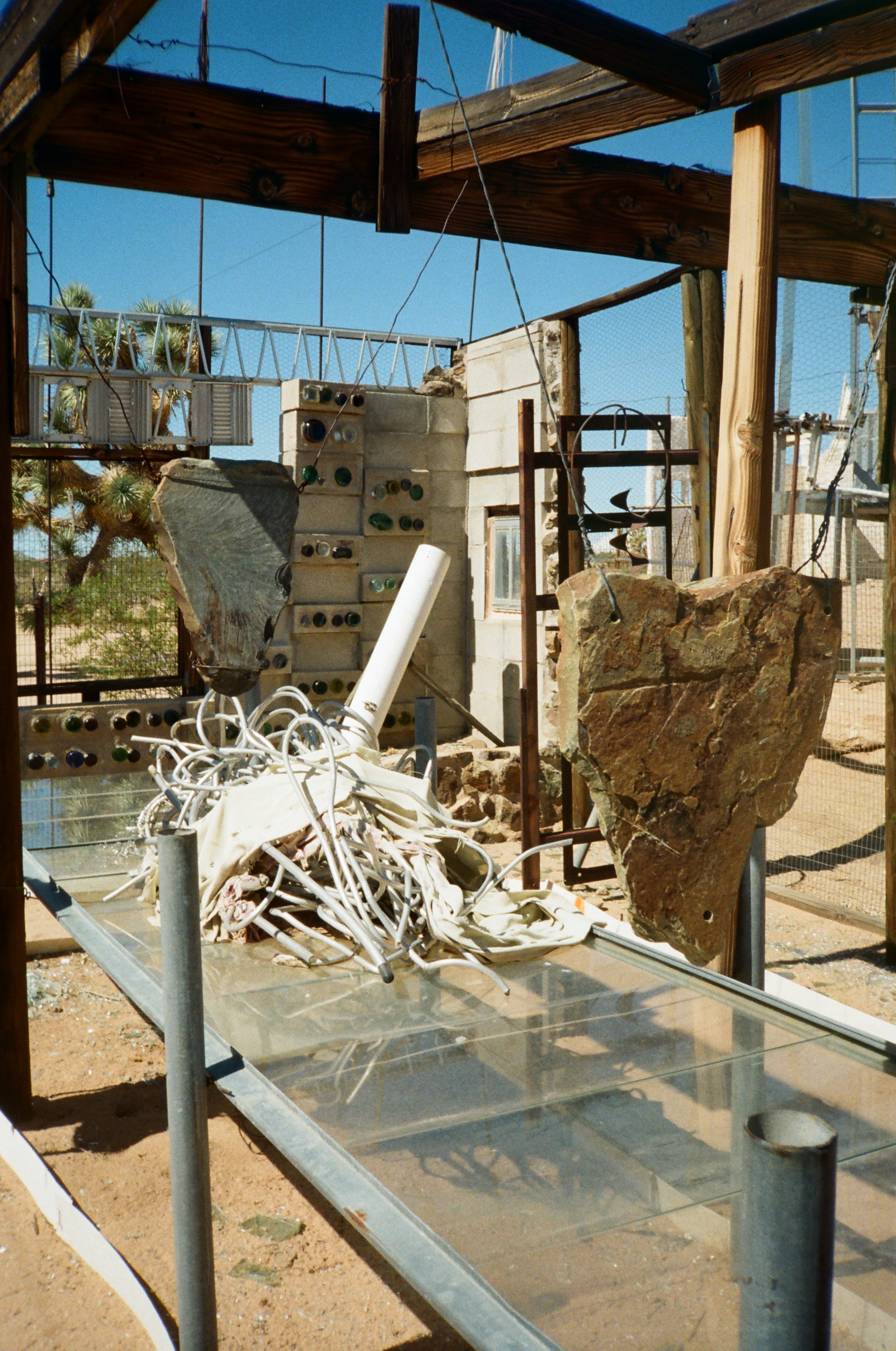
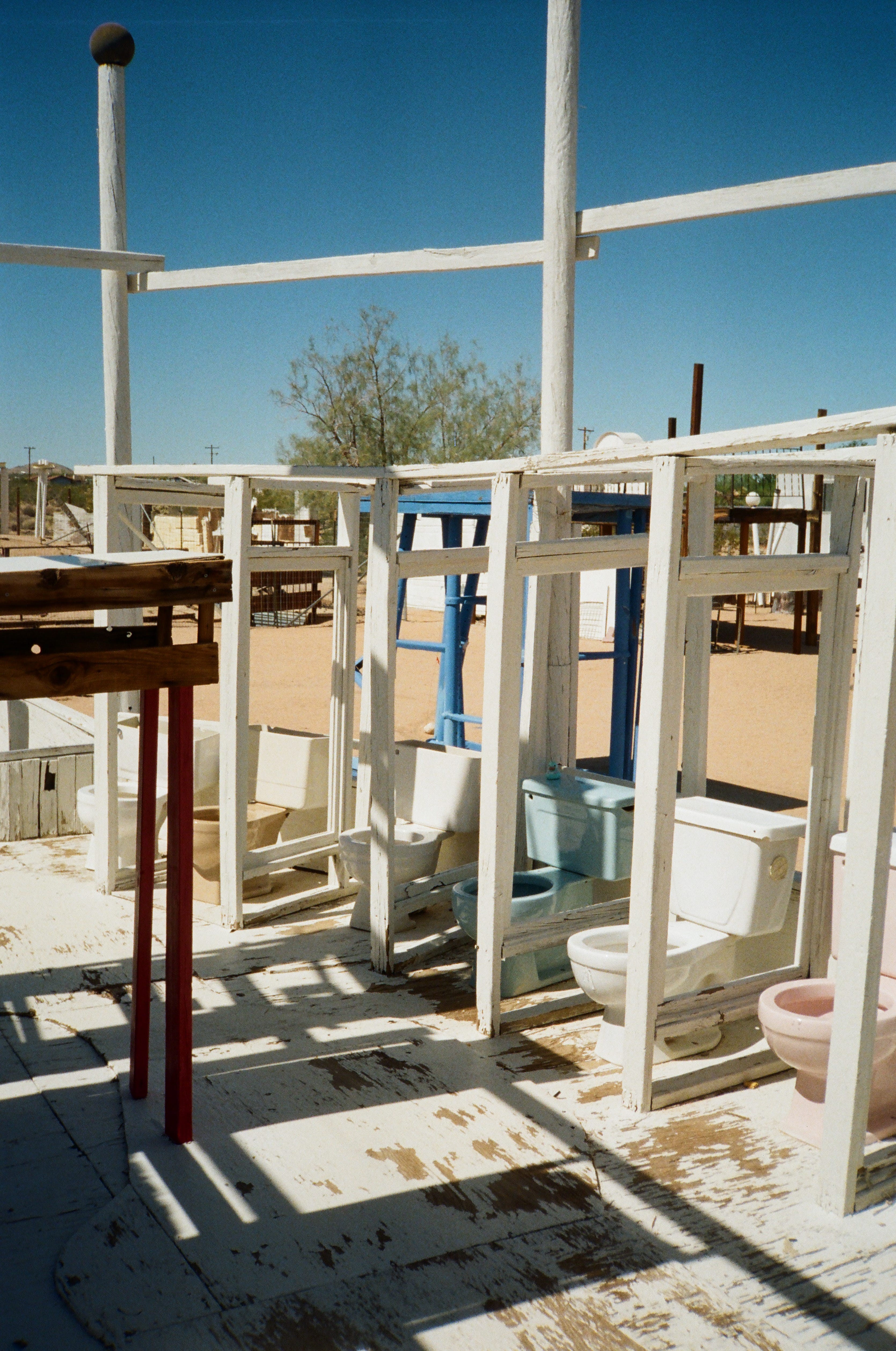
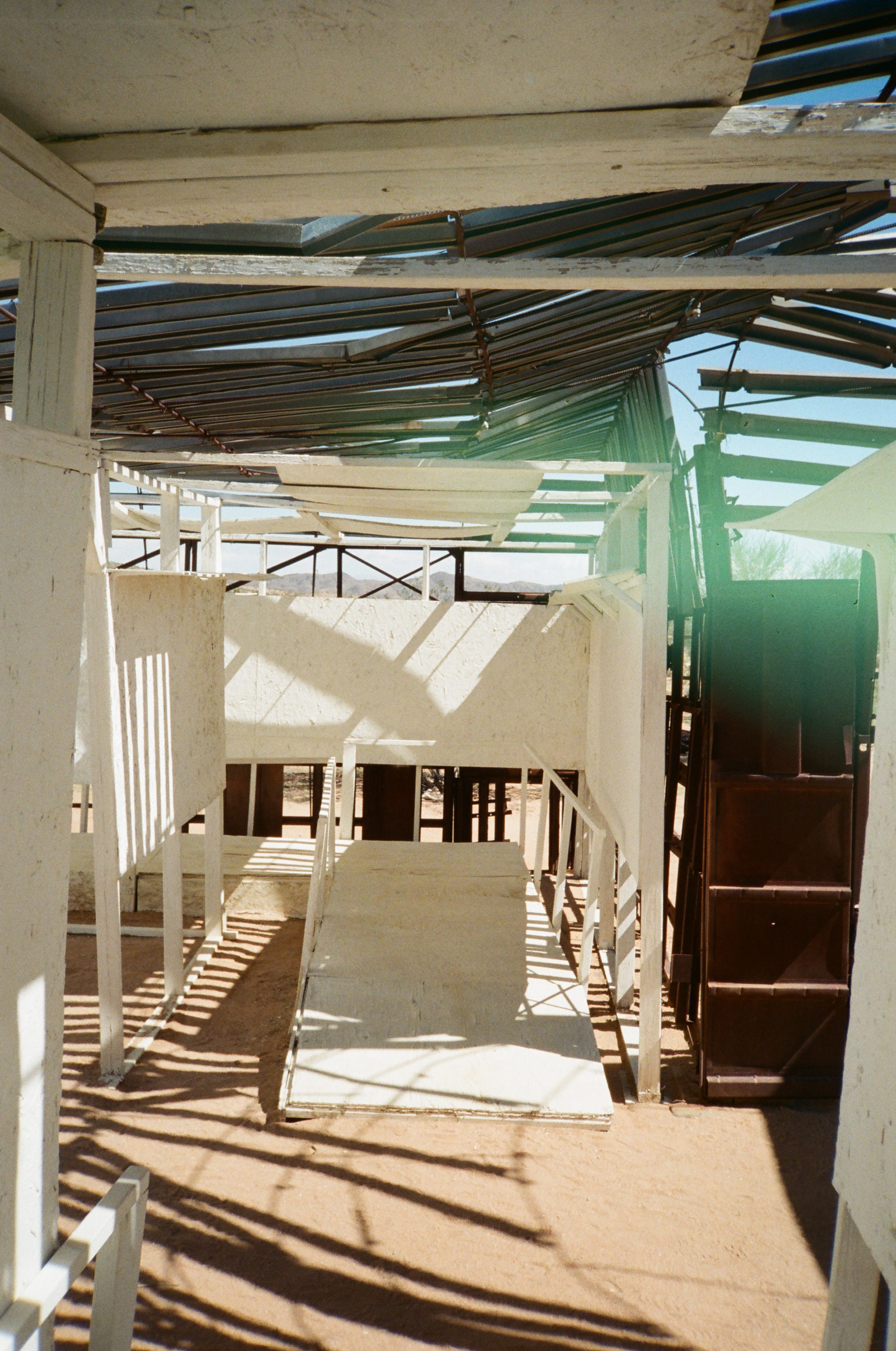
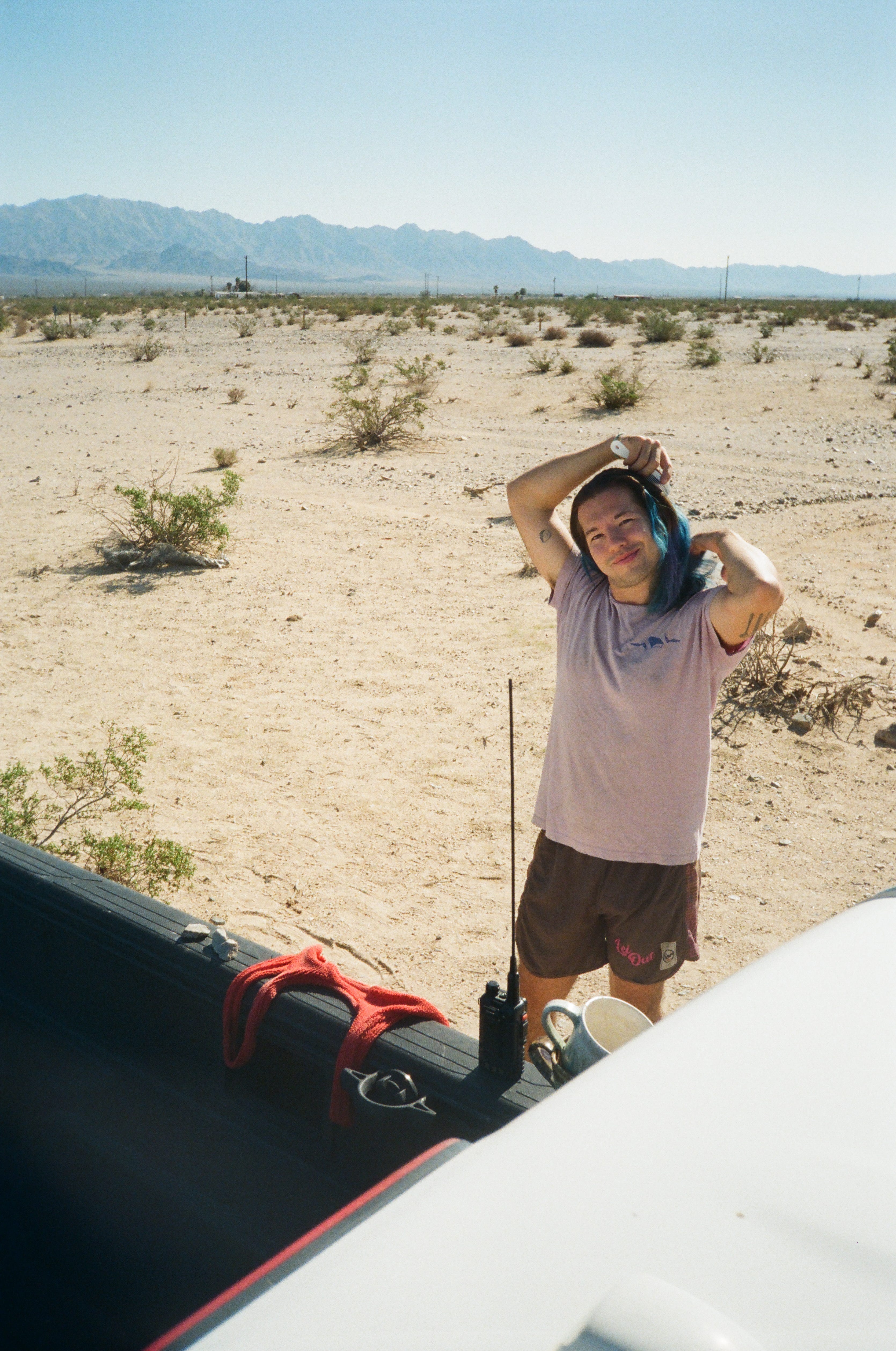
Loving this iteration of unraveling your most intimate thought processes and love for your friendships and relationships!! It's amazing how much care and intention you put into relating. You are a special bean. Never stop documenting your/our beautiful life.
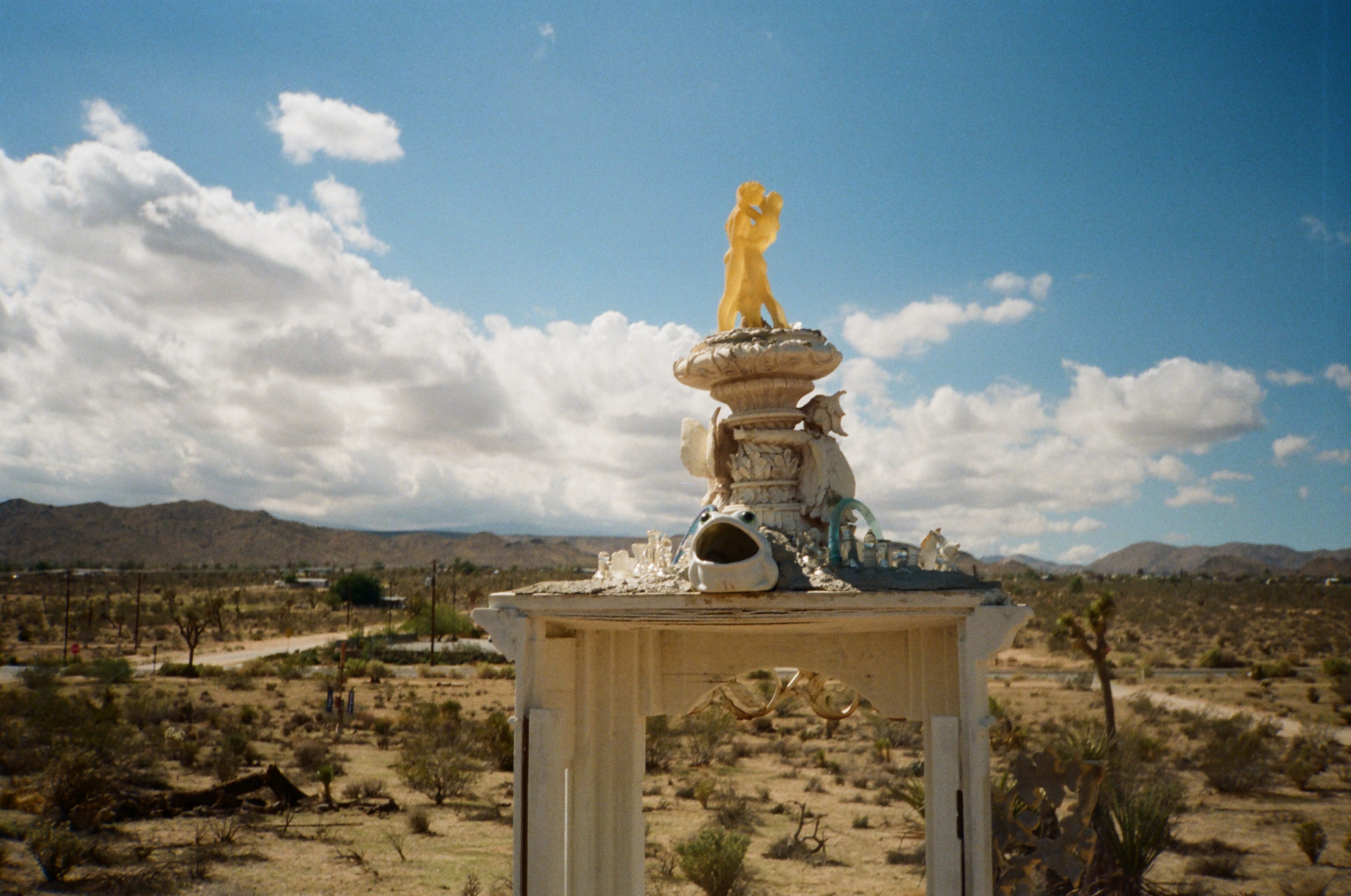
P.S especially love the photo of existential shui
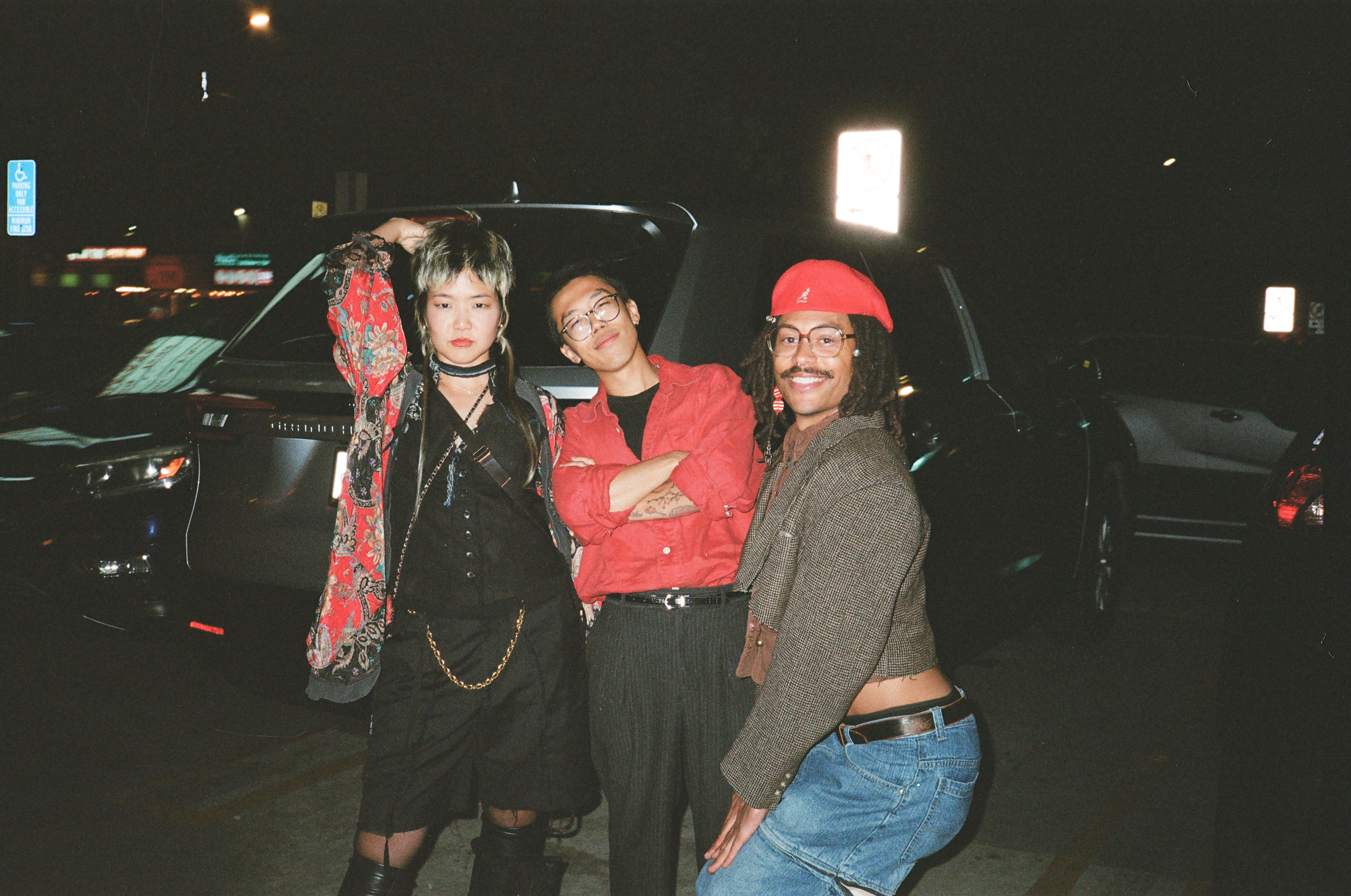
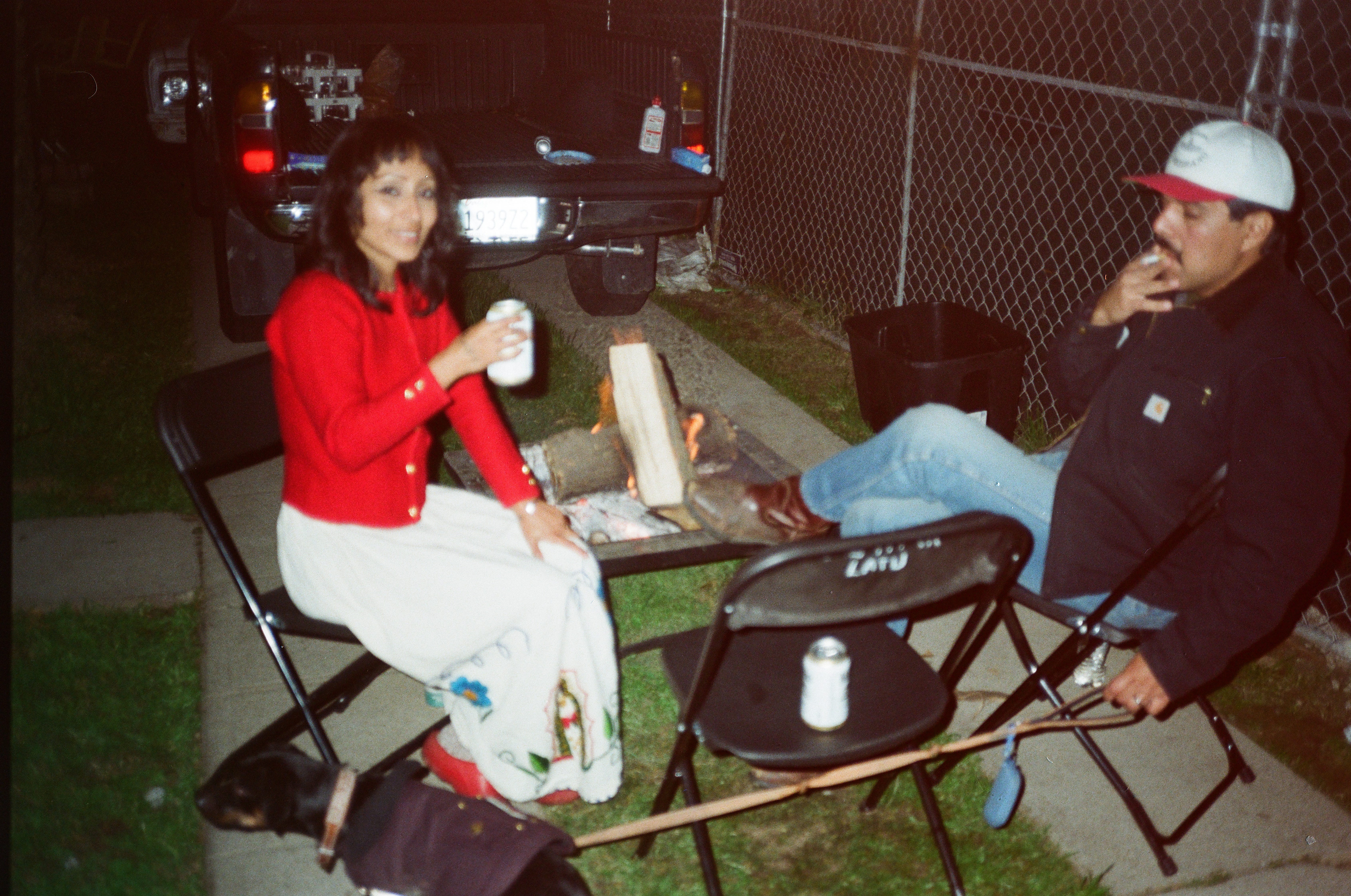
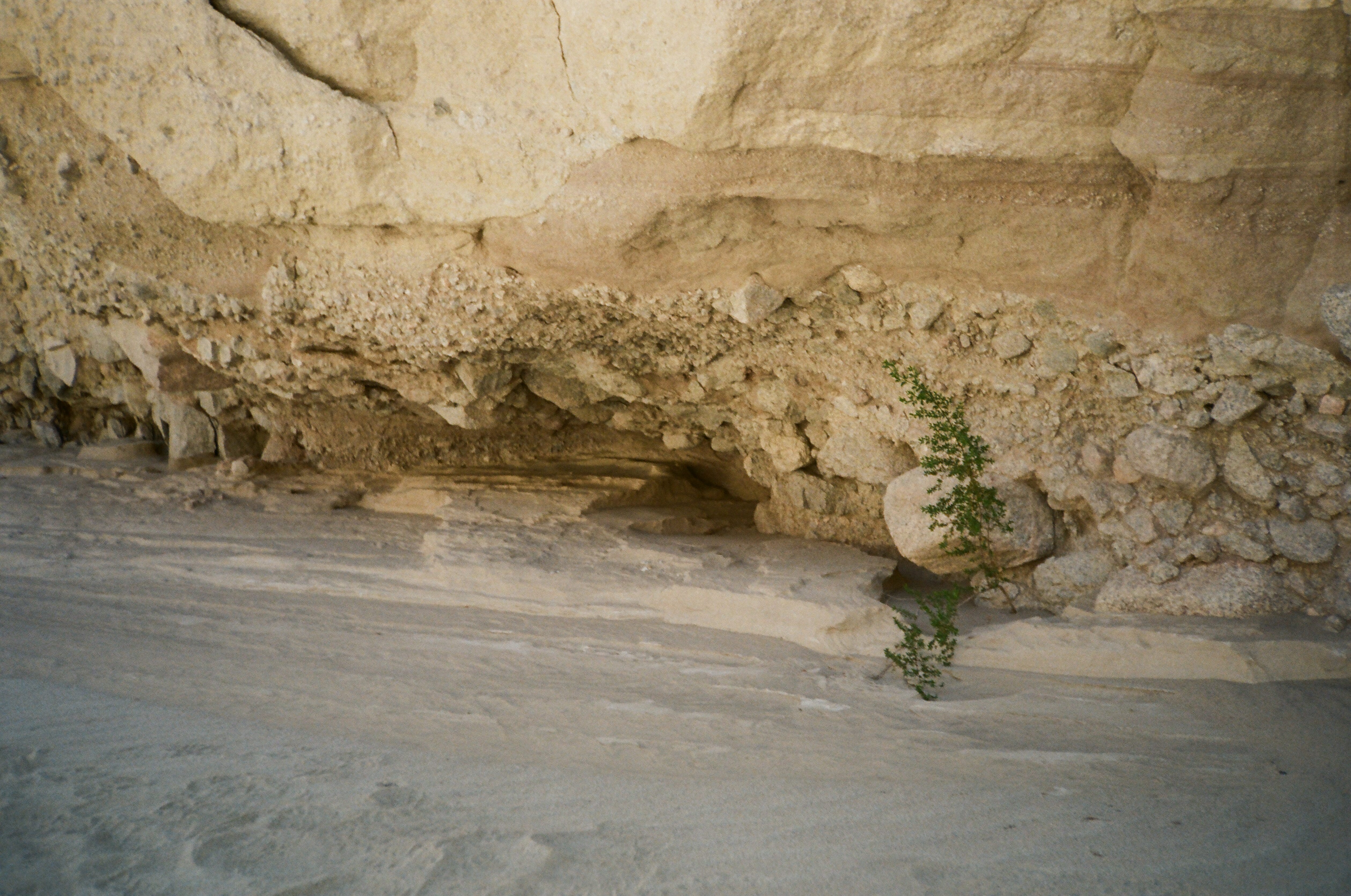
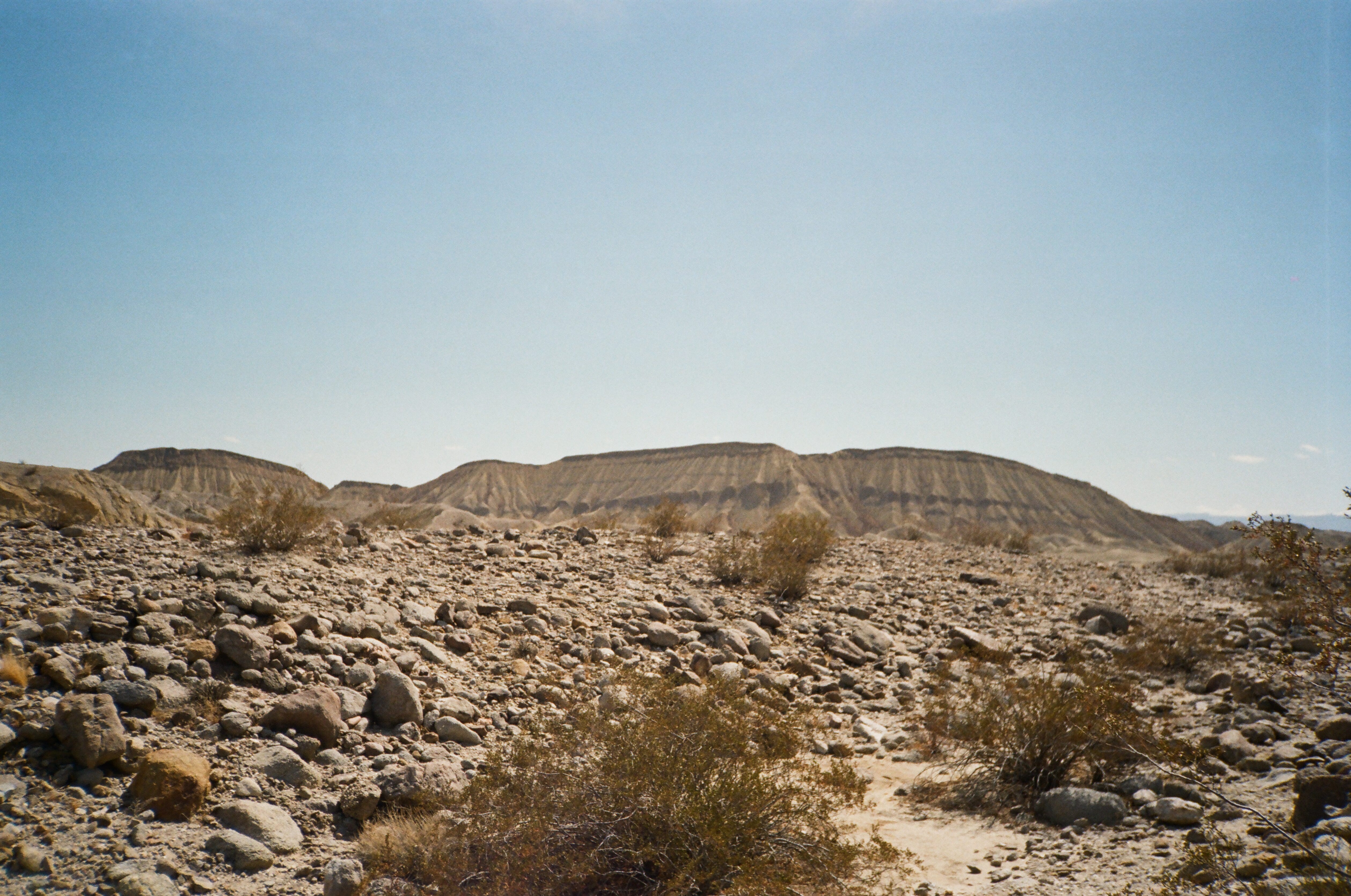
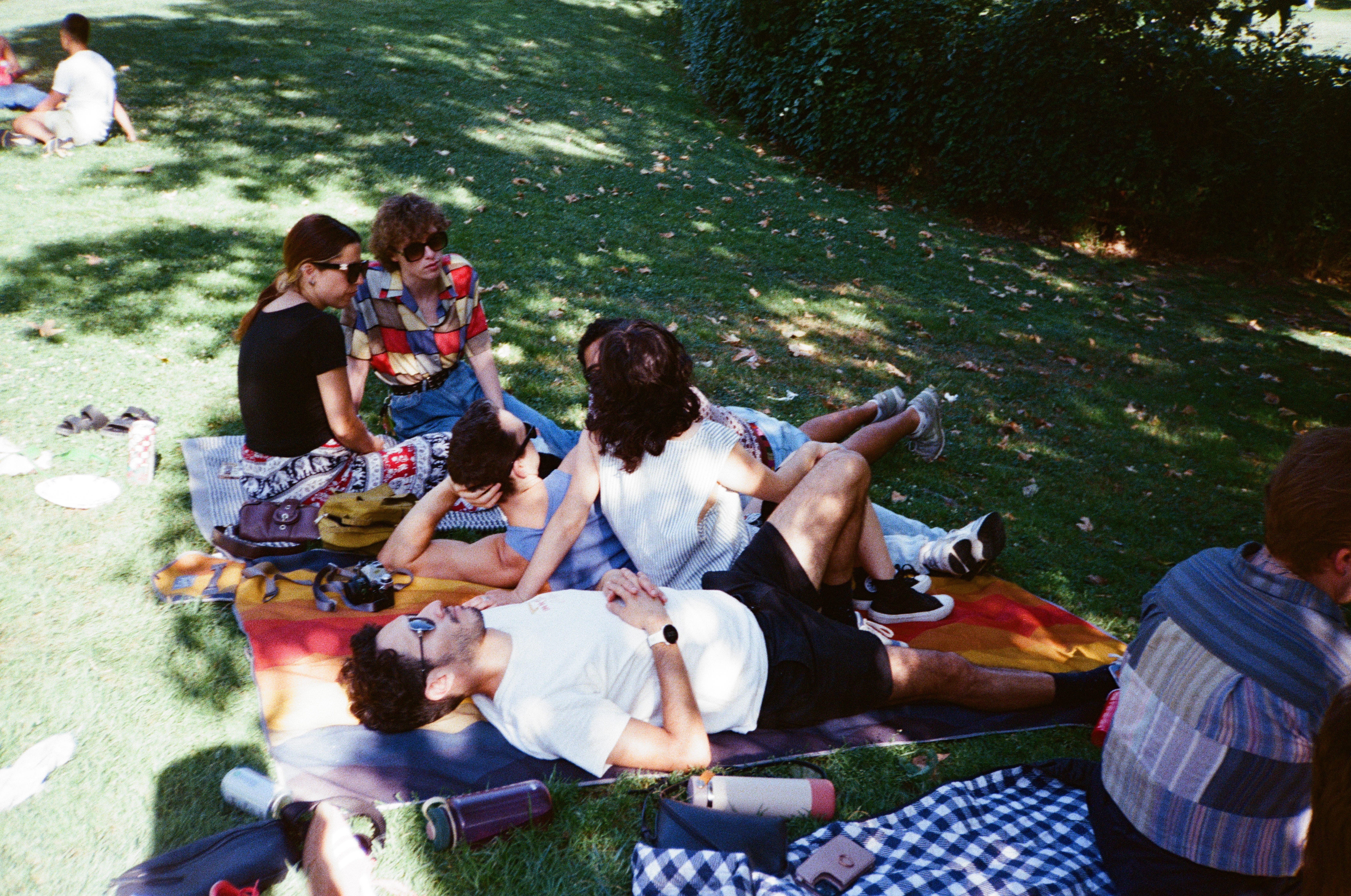
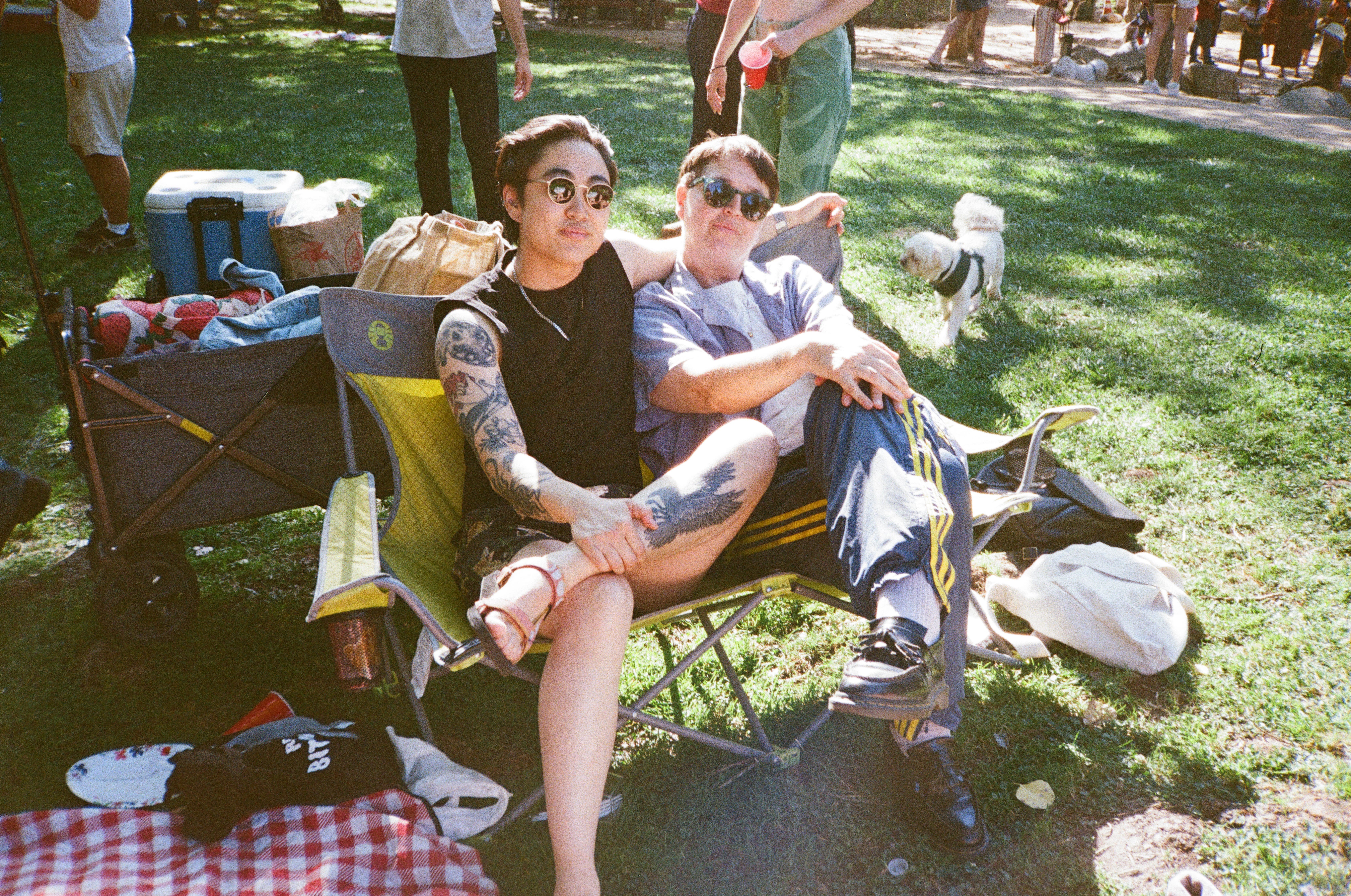
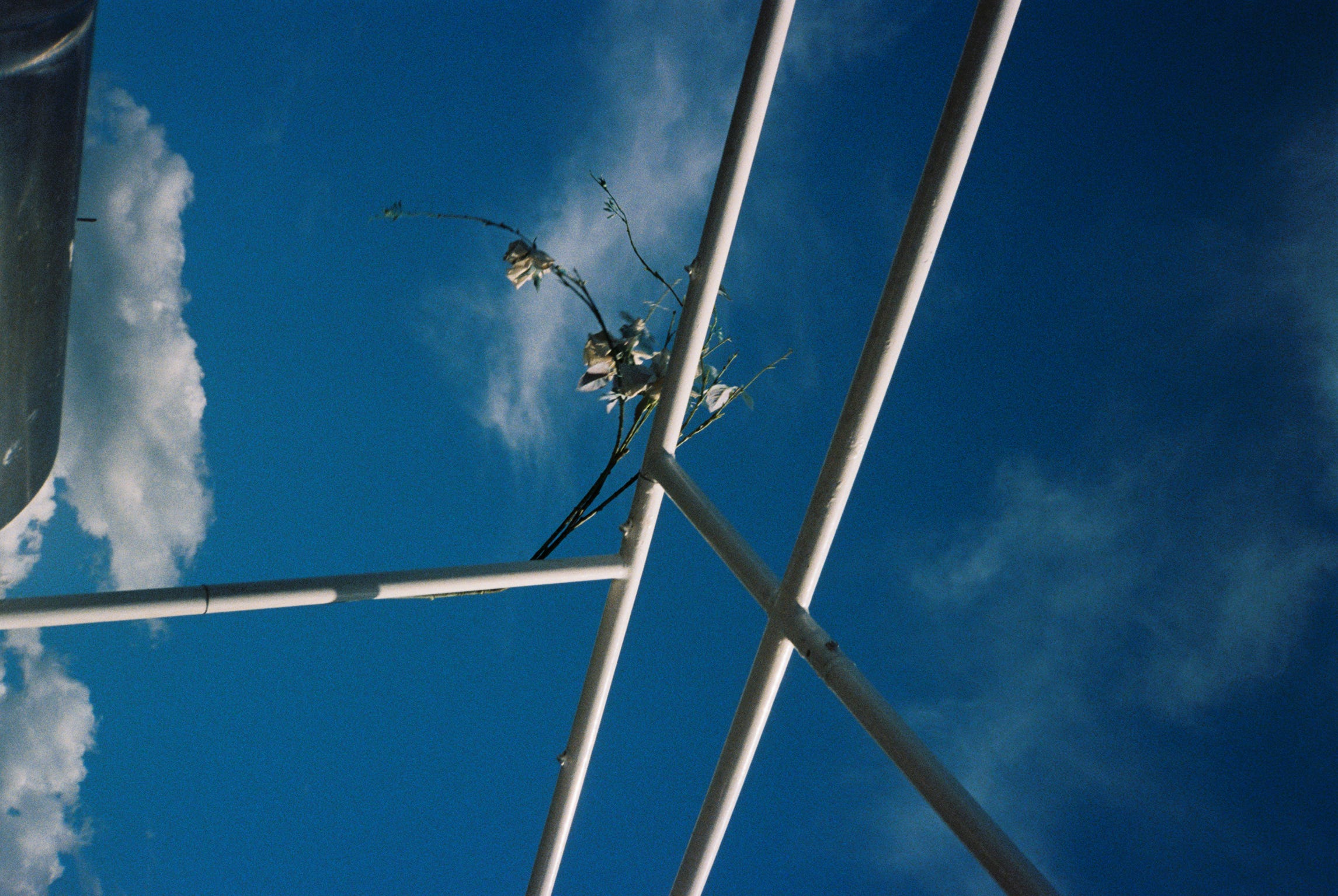
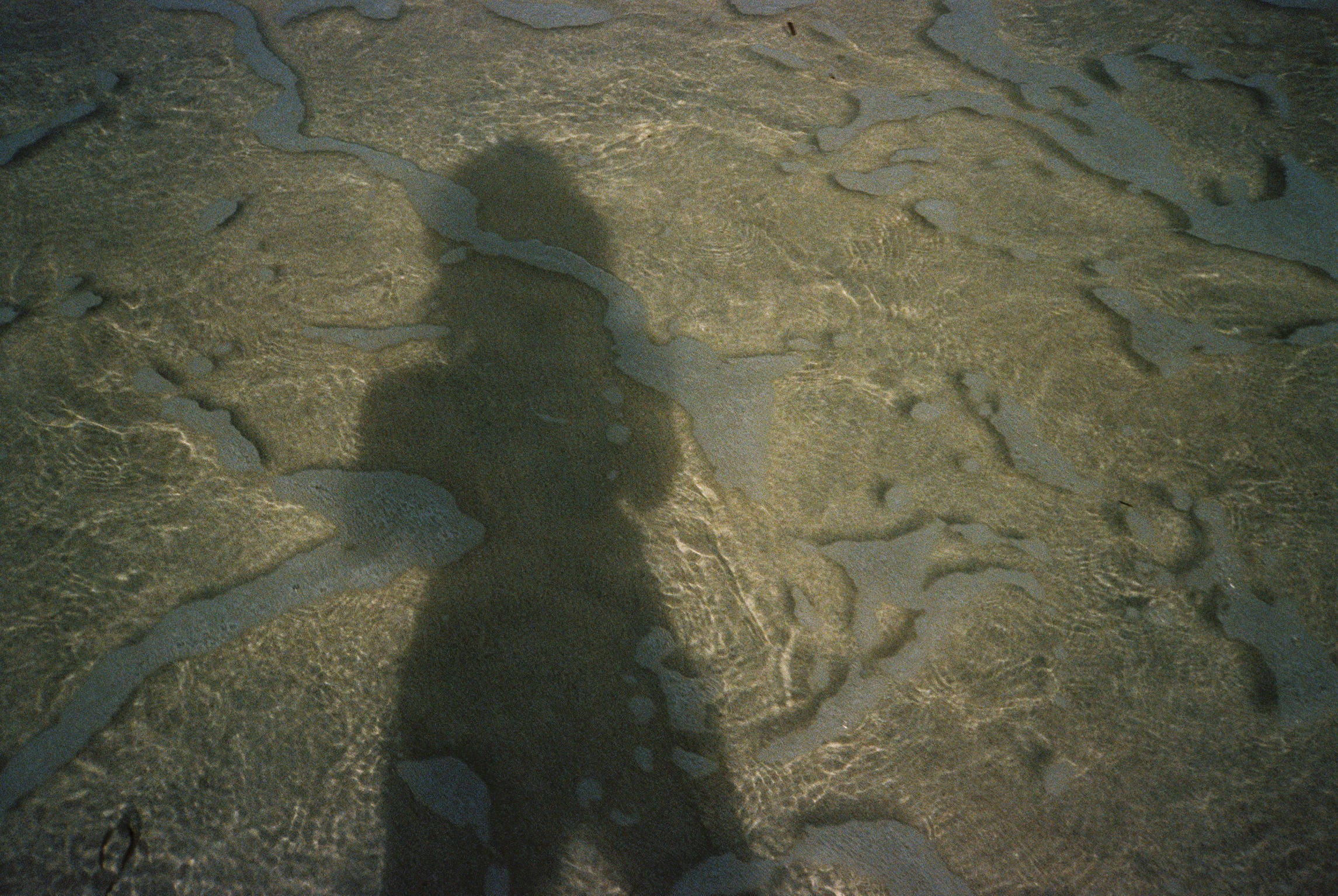
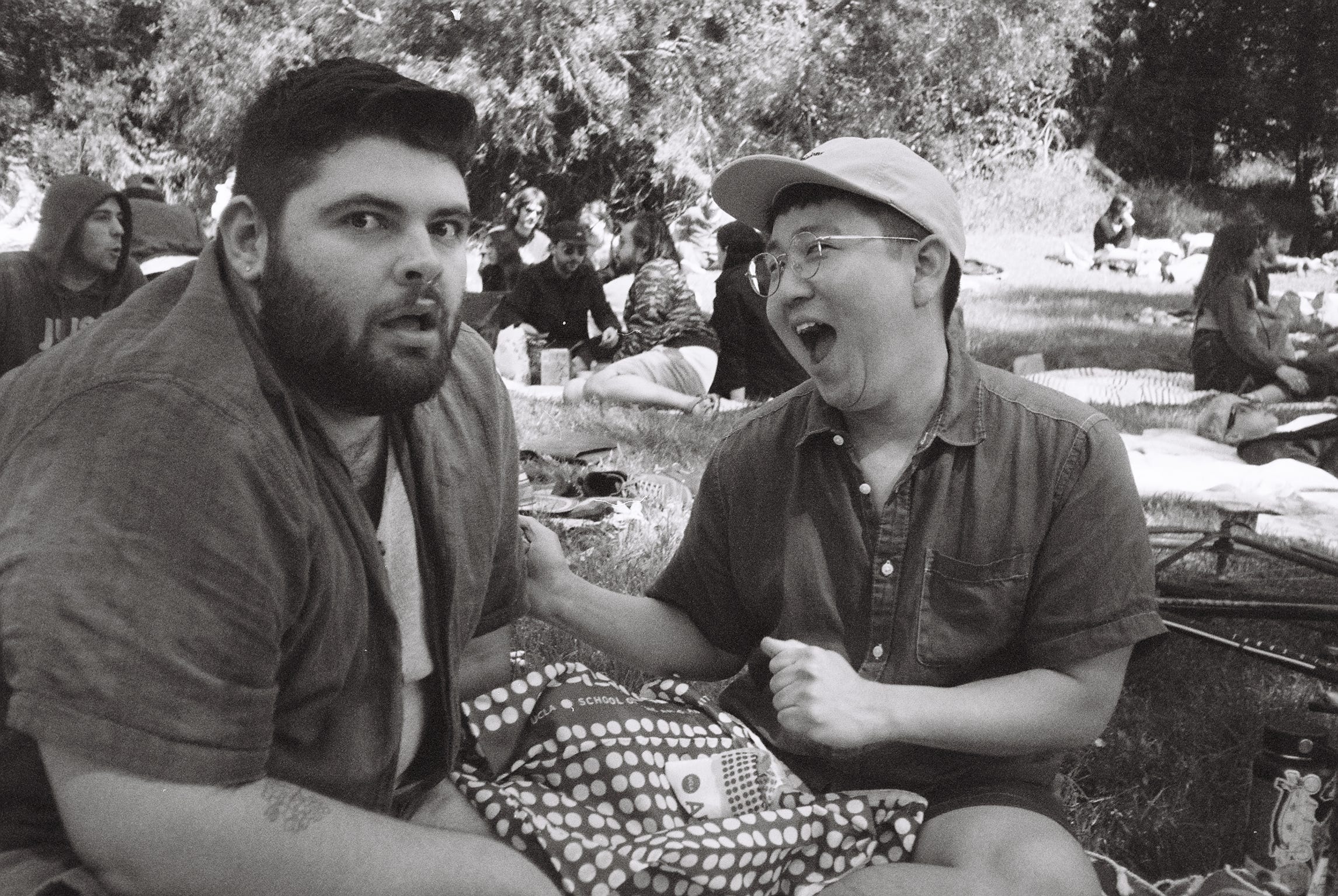
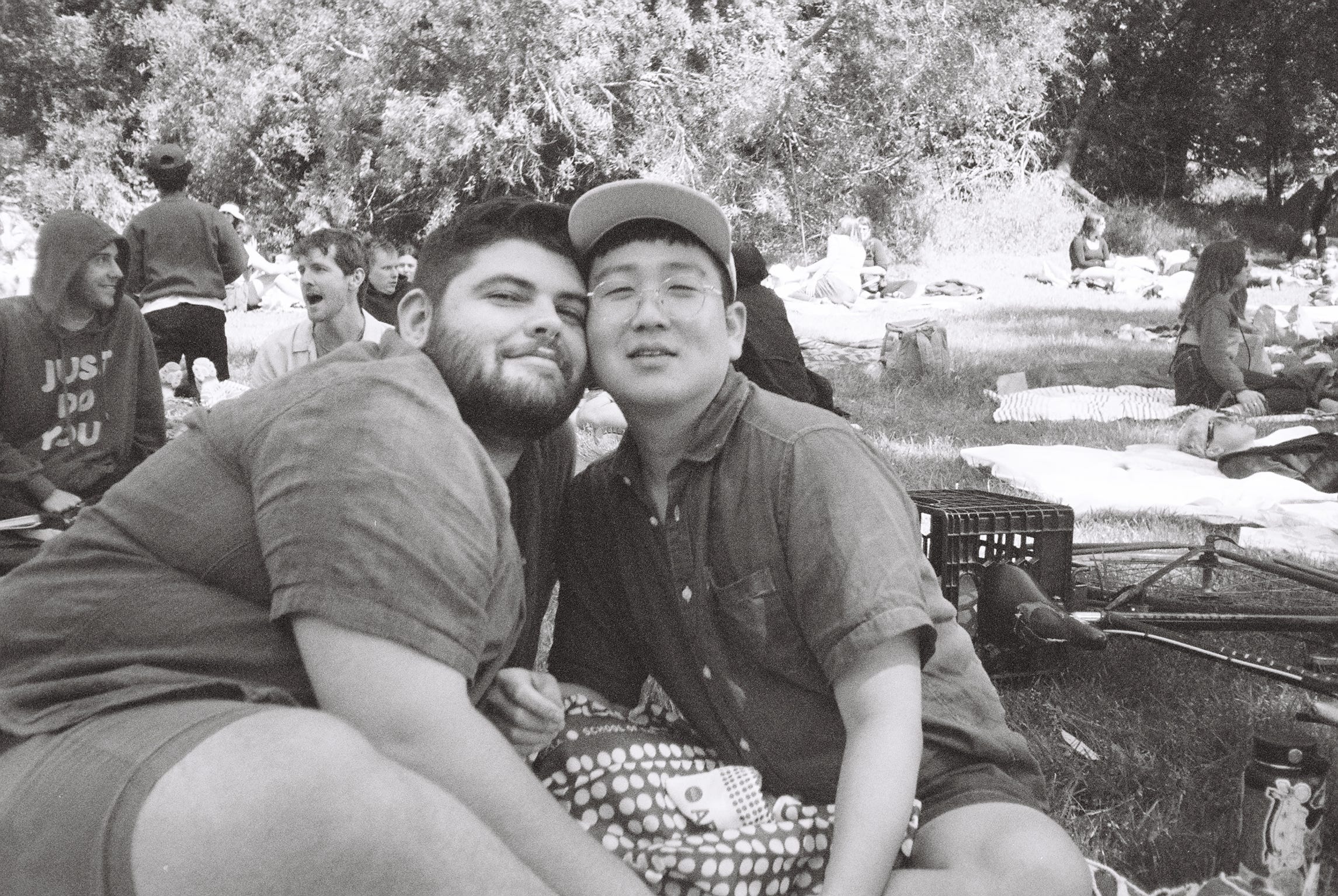
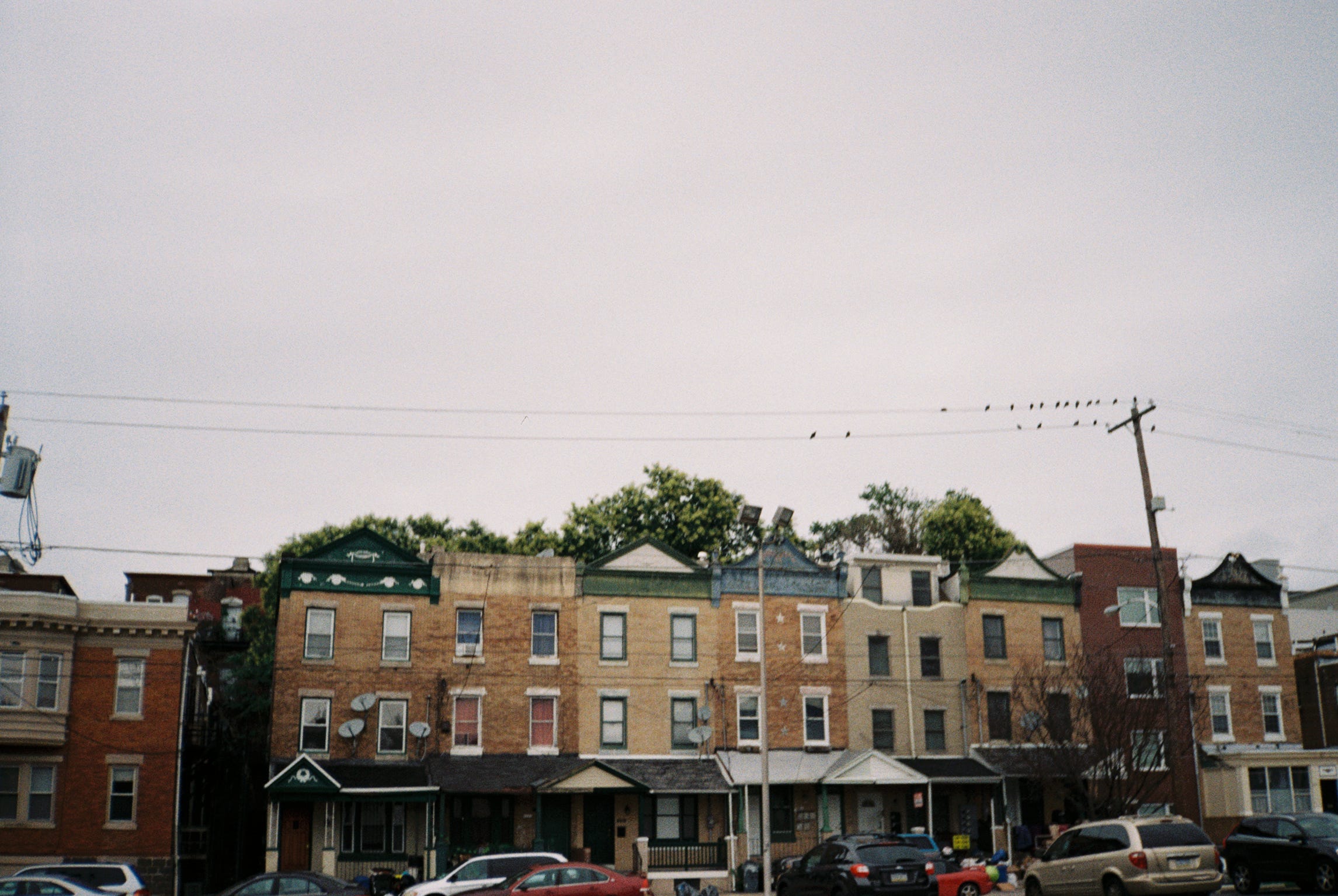
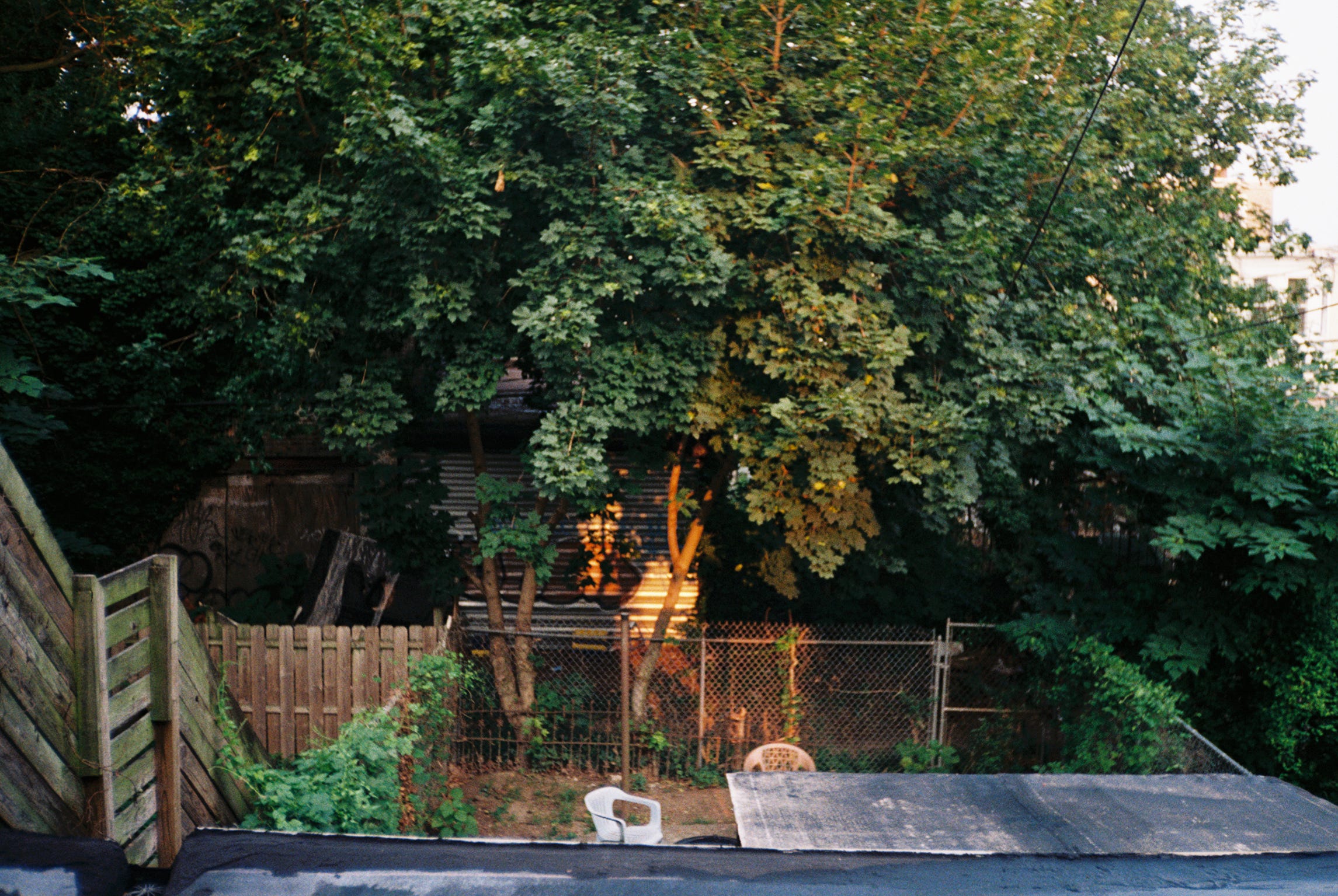
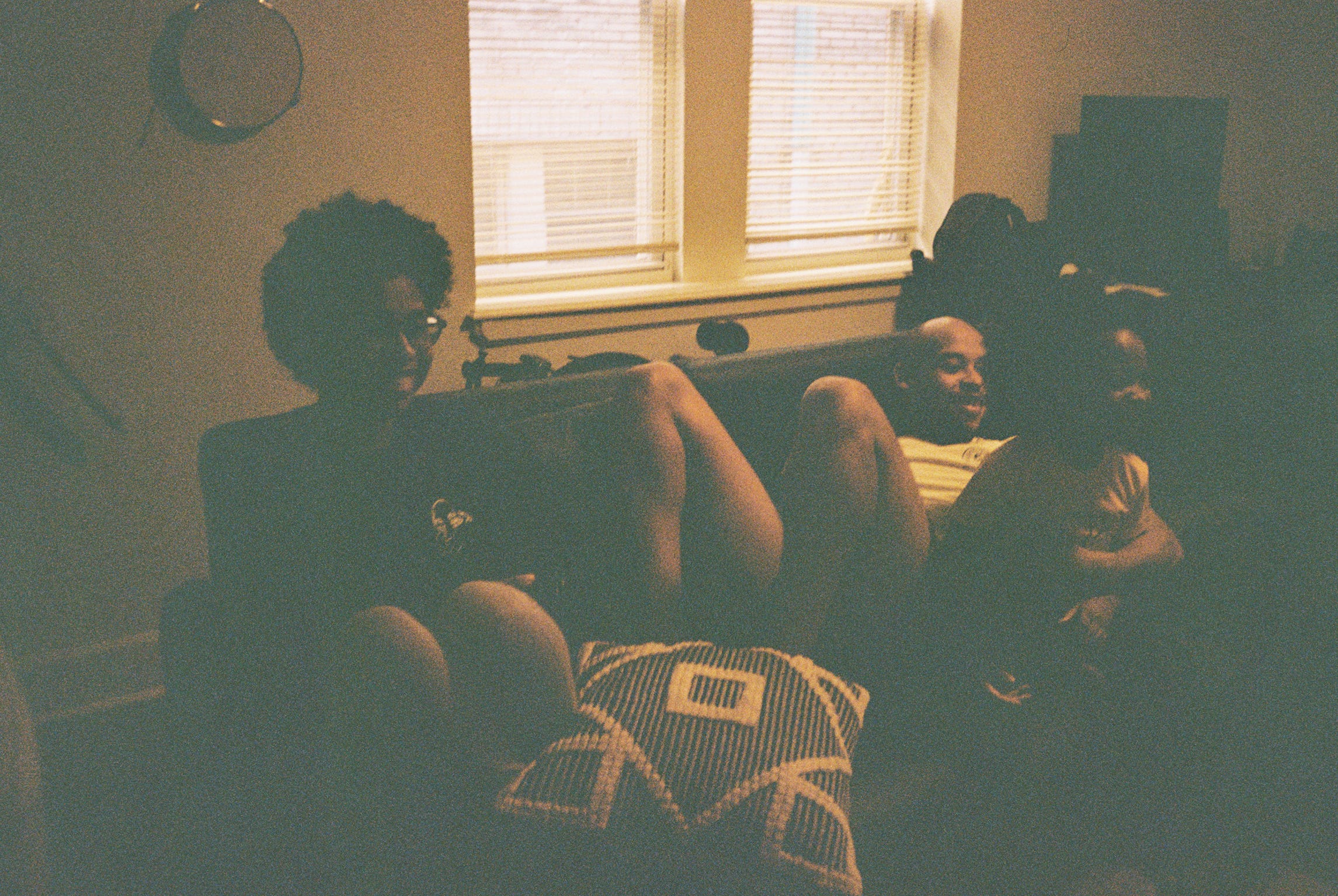
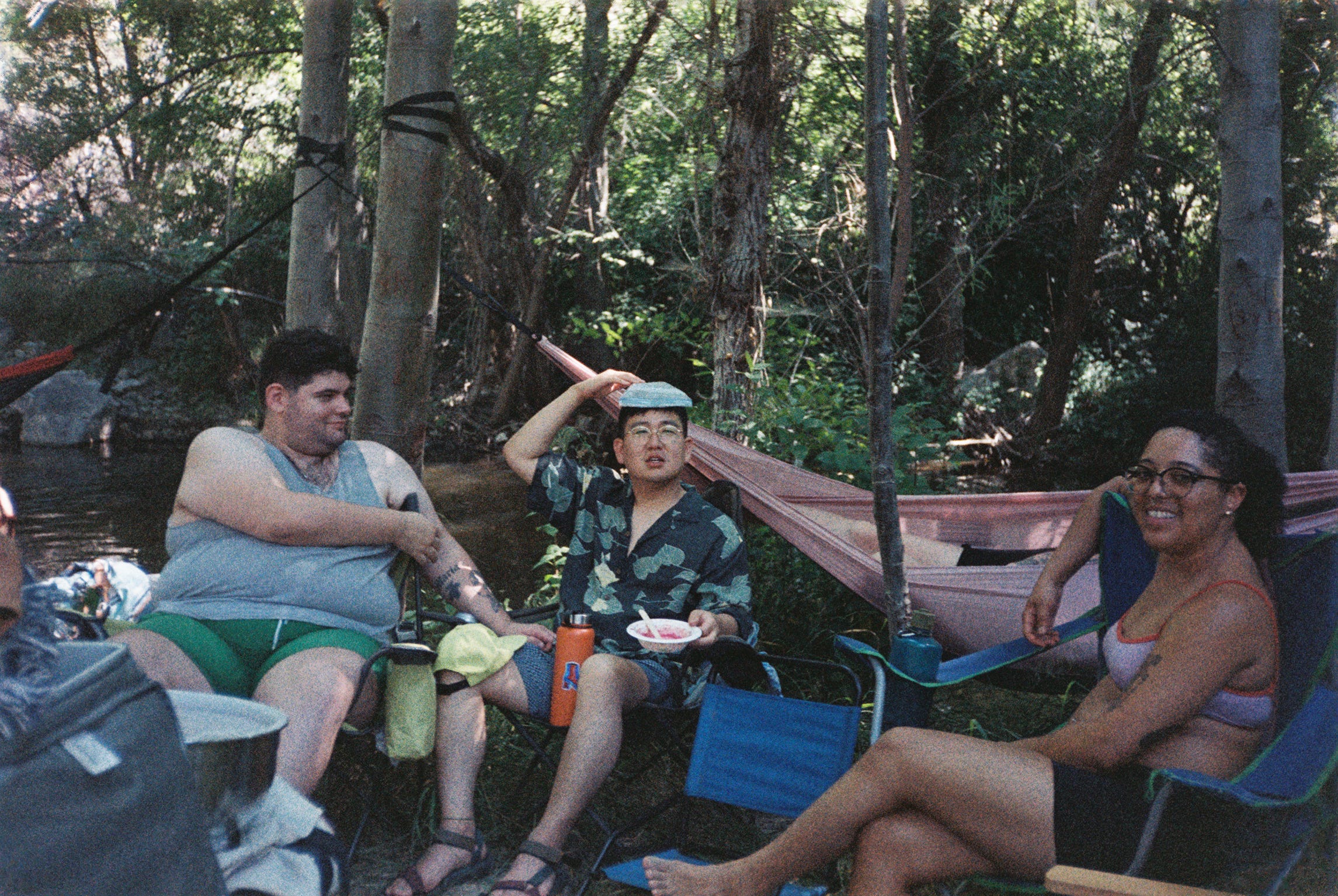
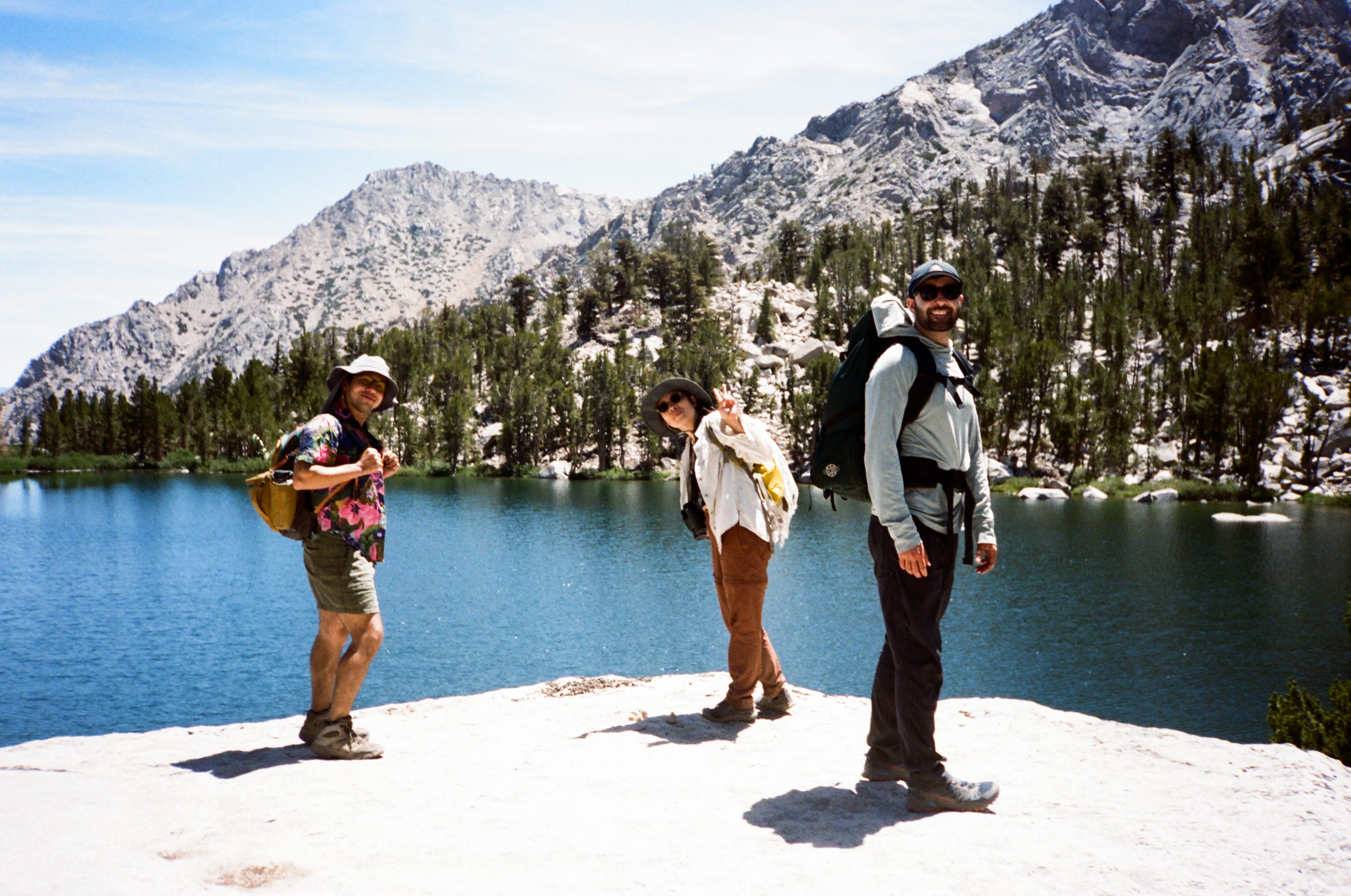
Tears streaming down my face reading this at my desk this morning. Juxtaposing the friends photos with the wilderness photos is such a powerful way to show that the wilderness, the natural world, the places that keep us safe *are* also our friends and our community - and that makes me weep because it's beautiful.